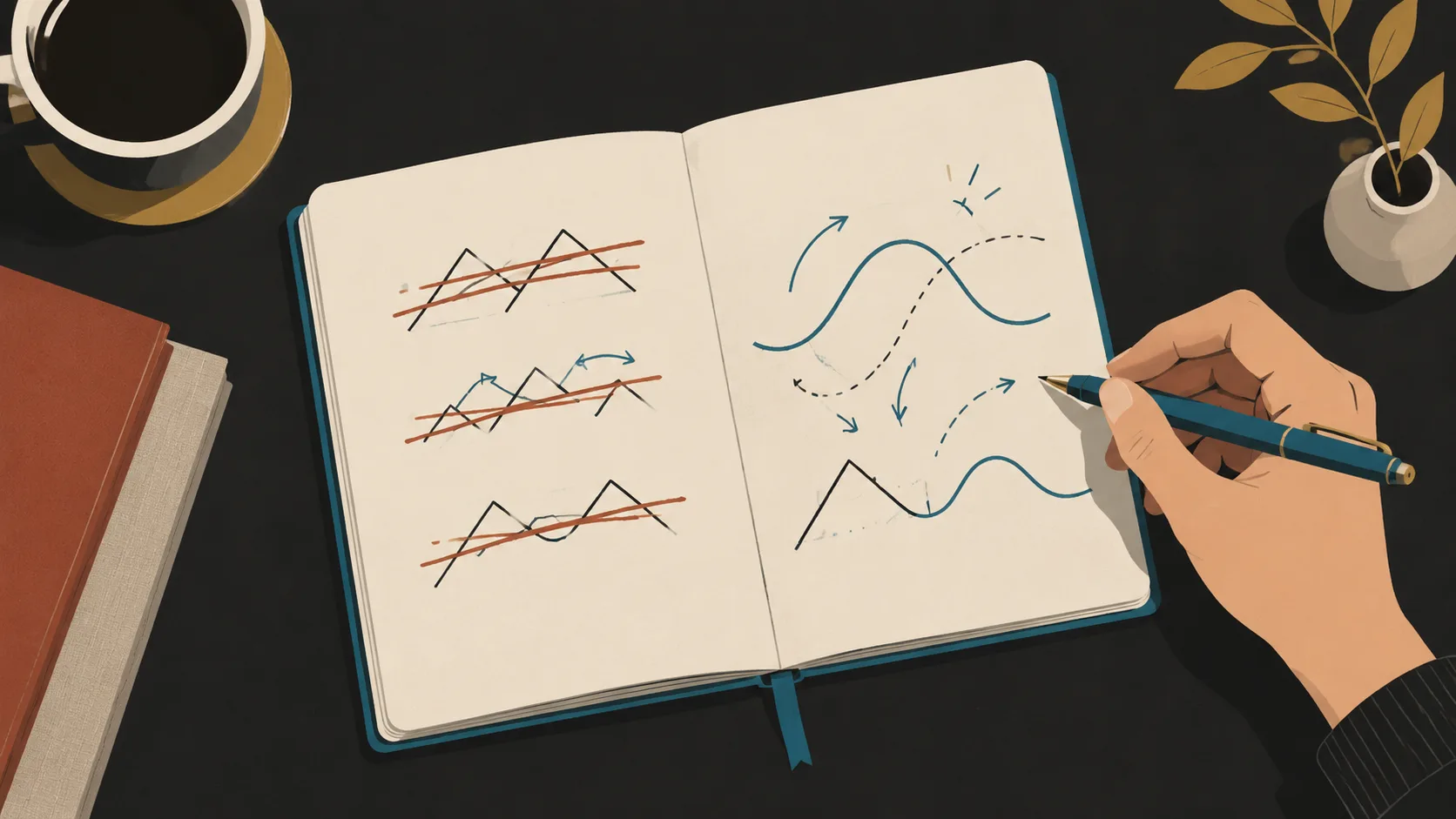
Category: writing

Anything that doesn’t fit anywhere else goes here.

  • Syd Field’s Three-Act Structure Explained For Fiction Writers

    Syd Field’s Three-Act Structure Explained For Fiction Writers

    Syd Field published his three-act structure in 1979, and it has shaped how writers think about story ever since. Originally aimed at screenwriters, the framework translates cleanly to novels and short fiction. Understanding Setup, Confrontation, and Resolution gives any writer a reliable spine to build on. ClearARC is built around this kind of structural clarity, helping writers plan and finish their work with confidence.

    What Is Syd Field’s Three-Act Structure?

    The Definition in Plain Language

    Syd Field’s Approach divides any story into three parts: Setup, Confrontation, and Resolution. Each part carries a specific job. Setup introduces the world and the person we will follow. Confrontation puts that person under pressure. Resolution answers the question the first act asked. It sounds obvious on paper, and that is exactly why it works as a novel-writing guide to three-act structure for writers who want a clear spine without a rigid formula.

    In plain language: beginning, middle, end, with each section pulling its own weight and none of them padded out to fill space.

    Where the Framework Comes From

    Field introduced the Approach in his 1979 book Screenplay: The Foundations of Screenwriting, later expanding it in The Screenwriter’s Workbook. According to the overview of the three-act structure on Wikipedia, his labels formalised something Aristotle had noted centuries earlier in the Poetics: every story needs a beginning, a middle, and an end that feel causally connected. Field’s contribution was practical, giving working writers named milestones they could point to on the page.

    The proportions Field described are not equal. Act One runs roughly 25% of a work, Act Two about 50%, and Act Three the remaining 25%. He was careful to remind readers that the form matters more than hitting exact page numbers, a point worth remembering before you treat any story structure template as gospel. The takeaway: the Approach is a map, not a cage.

    Act One: The Setup

    Character in their ordinary world before the story begins

    Establishing the World and Characters

    Act One is where the reader meets the people who will carry the book. Before disruption arrives, we need to see the protagonist in something like ordinary life, with the relationships, routines, and quiet contradictions that make them worth following. This is the moment to open your novel with a character worth reading about, because everything to come depends on the reader wanting to spend three hundred pages with this person.

    The Inciting Incident

    Field placed the inciting incident within the first ten pages of a screenplay. It is the event that emotionally involves the protagonist in the story; without it, there is no story. A phone call, a stranger at the door, a diagnosis, a letter that should never have been opened. Whatever the trigger, it forces the protagonist to reckon with something they would otherwise walk past. A well-placed inciting incident often exposes the lie your character tells themselves, which is why it lands emotionally rather than mechanically.

    Plot Point One

    Plot Point One arrives near the end of Act One, roughly between pages 20 and 30 in a screenplay, and it spins the protagonist onto a new, irreversible journey. The act closes by posing a dramatic question the rest of the book must answer: will she save the farm, will he find his brother, will they survive the winter. Frame that question in concrete terms and you give yourself a compass for every scene that follows. The takeaway: Act One is not warm-up, it is a promise, and the tension between your hero and antagonist should already be crackling by the time the reader turns into Act Two.

    Act Two: The Confrontation

    Character facing mounting pressure and conflict in the middle of the story

    Rising Action and Escalating Stakes

    Act Two is the longest stretch of the book, spanning roughly half the total length, and it is where most manuscripts sag. The protagonist attempts to resolve the problem posed at the end of Act One, and each attempt makes things worse. This escalating pressure is where you will need to write twists and unexpected turns that feel earned rather than imposed, because rising action without genuine consequence flattens into a list of events.

    The Midpoint

    Field identified the midpoint in The Screenwriter’s Workbook as a critical discovery, roughly halfway through Act Two, that raises stakes and shifts direction. Something the protagonist believed turns out to be false. A hidden ally is revealed as an enemy, or the goal itself changes shape. The midpoint is often the moment when the self-deception scene does its quiet work, forcing the protagonist to see themselves more honestly.

    Character Arc and Development

    Protagonists in Act Two lack the skills or self-knowledge to defeat the antagonistic forces around them. That gap is the point. The act is fundamentally about learning, failure, and growth, which is why solid character arc basics matter so much here. Mentors, co-protagonists, and antagonists are essential; the protagonist cannot develop in isolation, and the supporting characters are often the real engine of change that drives them forward. The act closes with Plot Point Two, which pushes the protagonist into the final stretch with new awareness and no way back.

    Act Three: The Resolution
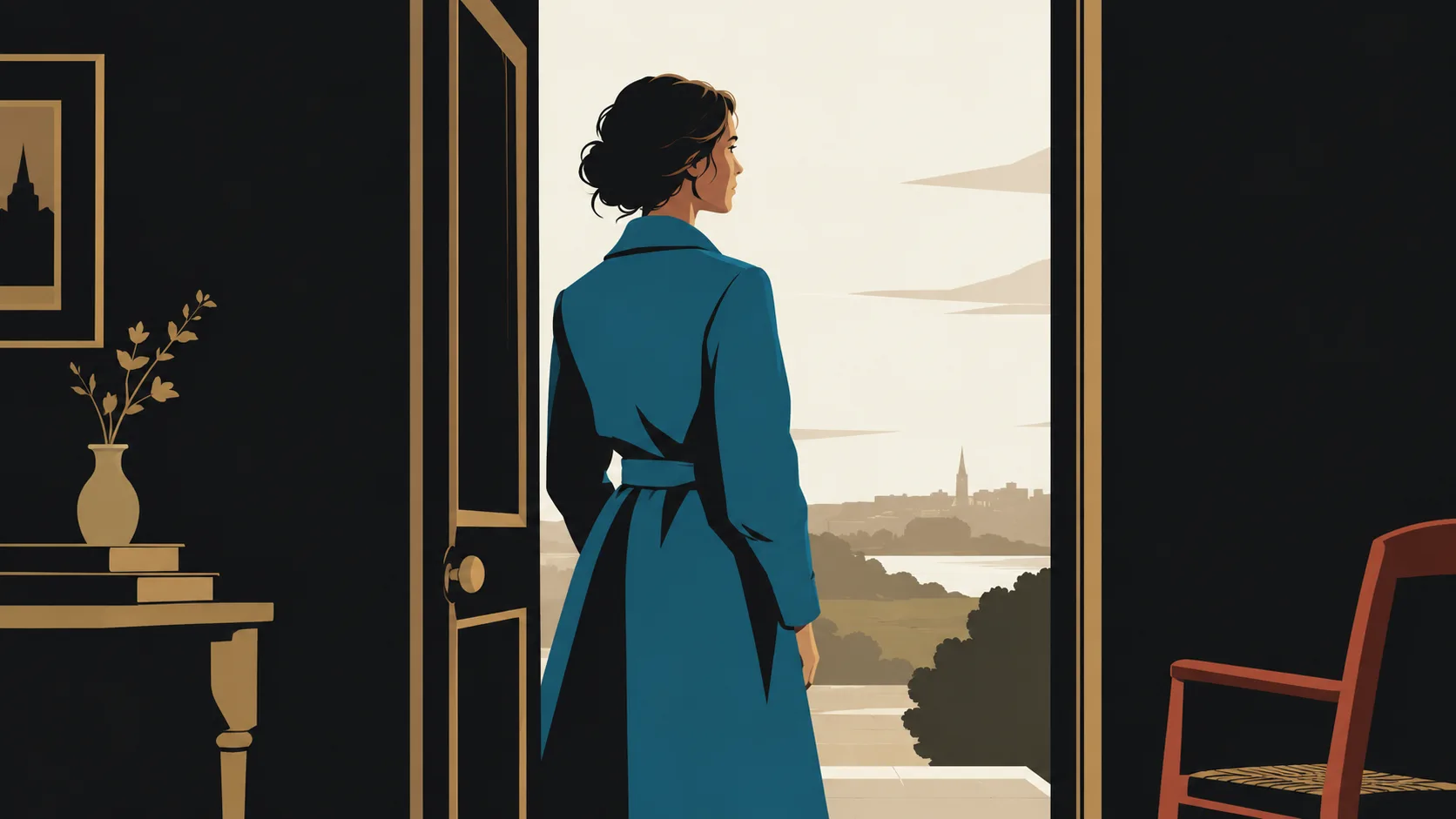
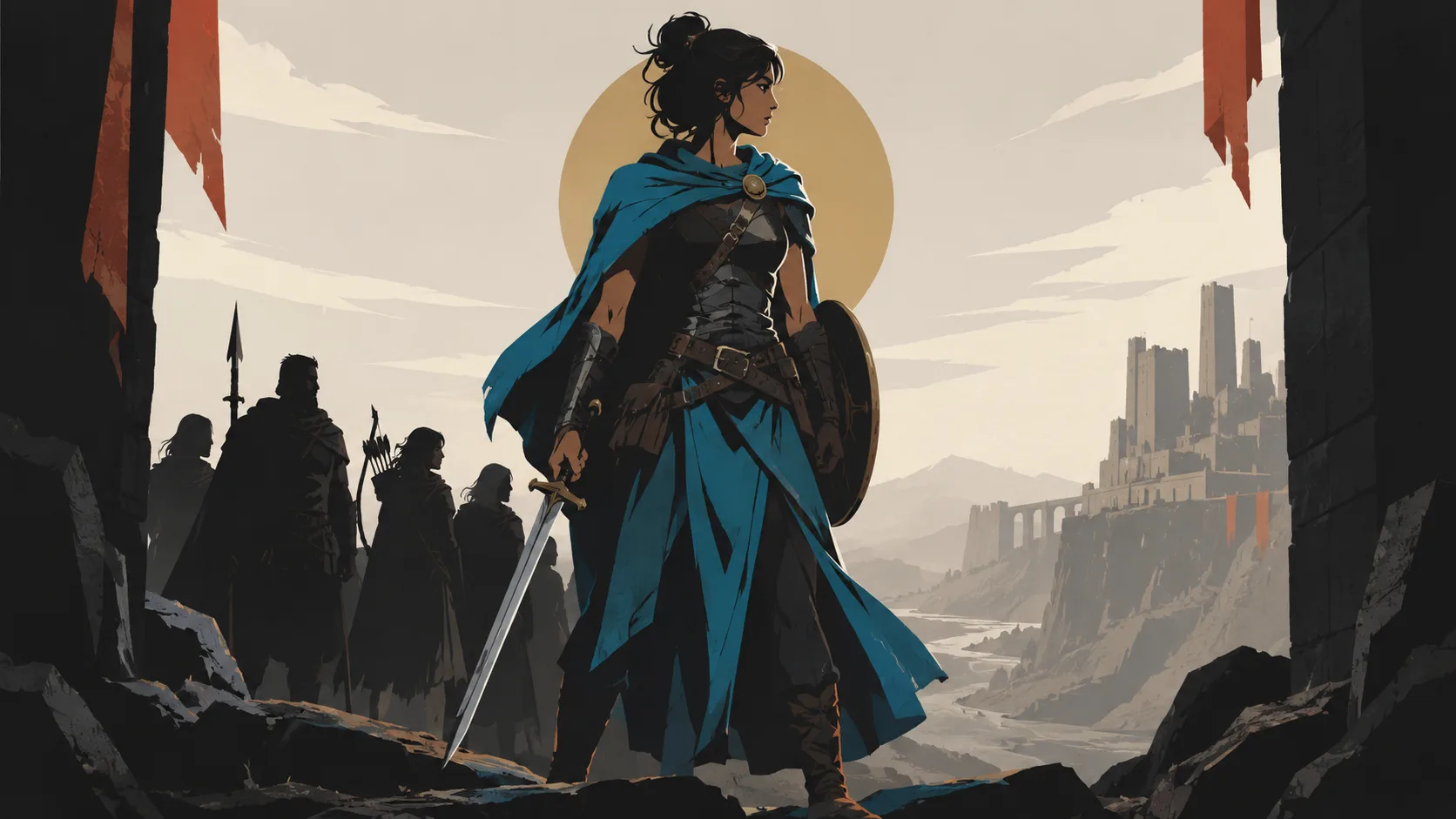
    Protagonist at the climactic moment of the story

    The Climax and Dramatic Answer

    Act Three resolves the main story and its subplots, bringing the dramatic question to its most intense point in the climax. The answer may be triumph or failure, but it must be earned by everything that came before. A climax that arrives from nowhere reads as a cheat; a climax rooted in the protagonist’s Act Two learning feels inevitable. This is the moment to spend on the tiny final action that makes your novel memorable, because readers remember endings more clearly than middles.

    After the climax, the protagonist stands on new ground. Their transformation is confirmed by what they do, not just implied by what they say. A short beat of falling action lets the reader breathe and register the change.

    Subplots and Loose Ends

    Subplots should be resolved before or alongside the main climax, not left dangling after the protagonist’s arc closes. If a subplot cannot find its home in Act Three, that is a signal worth listening to; often the subplot is trying to tell you something about the shape of the main story. The takeaway: braid the threads together on the way in, not after the fact.

    Adapting the Approach for Fiction Writers

    From Page Count to Word Count

    Field built the Approach around screenplay page counts, roughly 120 pages, but the proportional ratios of 25/50/25 translate directly to novels of any length. A 90,000-word novel would place Plot Point One around word 22,500, the midpoint around word 45,000, and Plot Point Two around word 67,500. Those are targets, not tripwires, and a practical three-act structure template for your novel can help you sketch them before you start drafting.

    Milestone Screenplay (120 pp) 90,000-word novel
    Inciting Incident ~p. 10 ~word 7,500
    Plot Point One ~pp. 20–30 ~word 22,500
    Midpoint ~p. 60 ~word 45,000
    Plot Point Two ~p. 90 ~word 67,500
    Climax ~pp. 110–120 ~word 85,000

    Common Misconceptions About the Model

    The Approach is often misread as a strict formula. Field intended it as a structural map, not a checklist that overwrites a writer’s instincts. Literary, character-driven, and non-linear novels can all use the underlying logic of cause and effect without hitting the beats on cue, and even devoted pantsers can borrow the ratios as a safety net; the obstacle pantsers face when planning a novel is usually structural drift, not lack of talent. The takeaway: use the model to test your instincts, not to replace them.

    Putting the Structure to Work in Your Manuscript

    Writer planning a novel using three-act structure proportions

    Using the Approach During Outlining

    Mapping the three acts before drafting helps you see whether the premise can carry a whole novel and where the dramatic question will live. Identifying the protagonist’s dramatic need before writing Act One is the single most useful preparation step Field recommends in Screenplay. If you are the kind of writer who prefers a deeper blueprint, a longer deep-planning approach to your novel folds Field’s beats into a full outline without turning them into busywork.

    Diagnosing Problems in a Draft

    The Approach is just as useful on drafts you already have. A sagging middle almost always signals a missing or weak midpoint. A flat ending often traces back to an underdeveloped Plot Point Two. A protagonist who feels inert usually needs work at the level of dramatic need, which is a common cause of protagonists who feel boring on the page. Break the manuscript into its three acts on a simple timeline; the imbalances tend to declare themselves within an hour.

    FAQ: Frequently Asked Questions

    What is Syd Field’s three-act structure?

    It is a narrative model dividing stories into Setup, Confrontation, and Resolution, introduced by Syd Field in his 1979 book Screenplay. The three acts run roughly 25%, 50%, and 25% of a story’s total length.

    How does Syd Field’s Approach differ from other story structures?

    Field’s Approach is simpler than beat-heavy systems like Save the Cat or the Hero’s Journey. It names four milestones (inciting incident, two plot points, midpoint) and leaves everything between them to the writer, functioning as a map rather than a checklist.

    Where does the inciting incident fall in Syd Field’s model?

    Field placed the inciting incident within the first ten pages of a screenplay, which maps to roughly the first 8% of a novel. It is the event that emotionally pulls the protagonist into the story and makes turning back impossible.

    What is a plot point in Syd Field’s three-act structure?

    A plot point is a scene that spins the story in a new direction. Plot Point One closes Act One and commits the protagonist to the journey; Plot Point Two closes Act Two and forces them into the final confrontation with no retreat.

    Can fiction writers use Syd Field’s structure, or is it only for screenwriters?

    Fiction writers can absolutely use it. The 25/50/25 ratios translate cleanly to any word count, and the underlying logic of cause and effect applies to novels, novellas, and short stories as readily as it does to screenplays.

    What is the midpoint in Syd Field’s three-act structure?

    The midpoint is a scene roughly halfway through Act Two, introduced in The Screenwriter’s Workbook, that reveals new information, raises the stakes, and shifts the story’s direction. It prevents Act Two from feeling like flat, repetitive rising action.

    How long should each act be in a novel using the three-act structure?

    Field suggests roughly 25% for Act One, 50% for Act Two, and 25% for Act Three. In a 90,000-word novel that works out to about 22,500 words for the first act, 45,000 for the second, and 22,500 for the third.

    What book did Syd Field use to introduce the three-act Approach?

    Field introduced the Approach in Screenplay: The Foundations of Screenwriting, published in 1979. He expanded on it, particularly the midpoint concept, in a later companion volume, The Screenwriter’s Workbook, which remains widely read alongside the original.

    Conclusion

    Syd Field’s Approach has lasted because it is honest about what stories need and quiet about the rest. Setup, Confrontation, Resolution, with named milestones you can find in your own pages. Use it to plan, use it to diagnose, and set it aside when your instincts are working. If you want a workspace built around this kind of structural clarity, without AI writing your book for you, ClearARC’s planning tools are made for exactly that: pen, paper, coffee, and a finished manuscript on the other side.

  • The Seven Basic Plots By Christopher Booker: A Writer’s Summary

    The Seven Basic Plots By Christopher Booker: A Writer’s Summary

    Christopher Booker’s 736-page study, published in 2004 after thirty-four years of research, argues that every story ever told falls into one of seven archetypal plot shapes. Whether you are drafting chapter one or revising a final act, understanding these patterns gives your manuscript a backbone that readers feel even when they cannot name it. Writers working with ClearARC can use this framework as a structural compass from the first blank page forward.

    What the Book Actually Argues

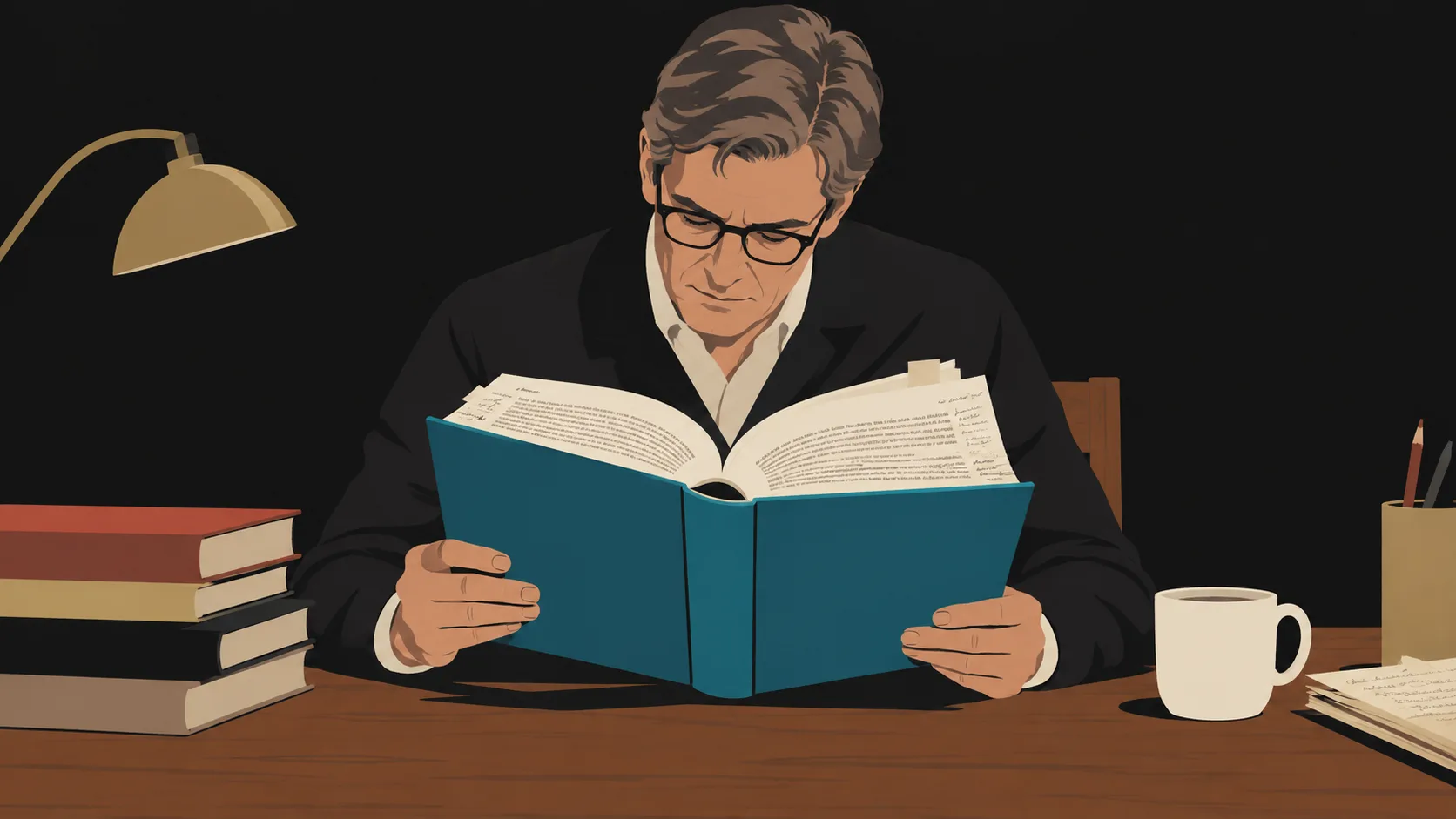
    Reader studying a Jungian literary analysis text

    Booker was not writing a quick craft guide. He spent thirty-four years on the manuscript, and the finished volume, published in 2004, runs to 736 pages of Jungian literary analysis. The scale matters: he was trying to describe the deep grammar of storytelling itself, not hand novelists a set of scene beats. If you want a shorter orientation before diving into the book, this companion breakdown of Booker’s seven plots covers the essentials.

    The Central Thesis: One Hero, Many Faces

    At the heart of the book sits a single claim: every story is really about one figure, the hero, and the reader’s job is to track that figure’s slow movement toward self-realisation. Every other character, in Booker’s reading, represents an aspect of the hero’s inner life rather than a fully independent person. That is a strong claim, and it changes how you think about your cast; the shadow, the mentor, and the beloved all become mirrors. If your ensemble feels flat, look again at how supporting characters push the protagonist to change.

    The Meta-Plot That Runs Through All Seven

    Booker also identifies a universal meta-plot with five stages: anticipation, dream, frustration, nightmare, and resolution. The hero is called, tastes early success, hits a wall, faces apparent defeat, and finally triumphs. He then argues that storytelling has evolved over 5,000 years and that many modern stories have “lost the plot” by drifting from this archetypal purpose. Take this as a diagnostic frame first; it pairs neatly with any three-act story structure you may already be using.

    Takeaway: treat the meta-plot as the spine and the seven plots as the muscle that hangs on it.

    The Seven Plots, One by One

    Writer studying archetypal plot patterns across multiple open books and sketches

    Booker’s plots are not genres. They are the shapes of change your protagonist undergoes. A ghost story and a war novel can share the same plot if the hero’s journey lines up. Reading them side by side is the quickest way to see the pattern, and it also helps you decide what structural template best fits your novel.

    Plots 1–3: Monster, Riches, and the Quest

    • Overcoming the Monster. A protagonist confronts and defeats a threatening antagonist. Beowulf, Dracula, Jaws, and Star Wars: A New Hope all fit. The tension only crackles if the antagonist has real weight, which is why hero and villain tension deserves its own craft attention.
    • Rags to Riches. A poor hero gains power or love, loses it, then earns it back through inner growth. Cinderella, Jane Eyre, and Great Expectations are the canonical examples.
    • The Quest. A hero and companions travel toward a vital goal, resisting temptations along the way. The Iliad and The Lord of the Rings are the textbook cases.

    Notice how each of these depends on a protagonist whose interior life shifts. A character arc that actually moves is what turns any of these shapes into a real story.

    Plots 4–5: Voyage, Comedy, and Tragedy

    • Voyage and Return. The hero enters a strange world, survives its trials, and comes home changed. Alice’s Adventures in Wonderland, The Hobbit, and Gone with the Wind all sit here.
    • Comedy. Confusion and misunderstanding tangle the cast, then resolve into recognition and union.
    • Tragedy. A fatal flaw pulls a promising figure downward, past the point of no return.

    Tragedy is worth pausing on, because it is where writers most often flinch. The turn hinges on self-deception, and the reader needs to feel the moment the hero refuses to see clearly. That is exactly the beat covered in the lie your character tells themselves.

    Plots 6–7: Rebirth and Beyond

    • Rebirth. A dark figure is redeemed before it is too late. A Christmas Carol and Beauty and the Beast are the clearest examples.

    Booker adds that some works blend shapes, and later readers have argued that the book actually treats nine, not seven, if you count “Rebellion Against the One” and “Mystery.” Do not let the accounting distract you. The point of the taxonomy is to give you a name for what your draft is doing, so you can plan around it rather than discovering the shape only in revision.

    Takeaway: name your plot early. It clarifies which beats you owe the reader.

    The Jungian Psychology Behind the Framework

    Books on Jungian psychology and mythology displayed together

    Booker draws directly on Carl Jung, and the book only makes sense once you accept that starting point. According to the publisher’s own summary on Goodreads, he argues that humans are “programmed” to imagine stories in these shapes because storytelling served an evolutionary function across millennia. The seven plots, in this view, are not conventions writers invented; they are patterns that surface from the collective unconscious.

    Archetypes and the Human Psyche

    The recurring characters, the shadow, the anima, the mentor, are projections of the hero’s inner landscape rather than realistic individuals. That framing is useful even if you find the psychology overstated. It gives you a reason to ask what each supporting character is doing for your protagonist’s transformation, and it can rescue a cast that has grown crowded. If minor players keep vanishing from your draft, the diagnosis in the disappearing side character problem is often closer to the truth than “I forgot about them.”

    Why Stories Are ‘Hardwired’ Into Us

    Booker traces his examples across 5,000 years, from myth and folk tale to twentieth-century film, arguing the patterns have stayed remarkably stable. Whether or not you buy the biological claim, the cultural consistency is hard to ignore. Readers do seem to expect these shapes, and giving them a recognisable frame is one way to open a book with a character worth following.

    Takeaway: archetypes are a lens, not a leash. Use them to see what your reader is already expecting.

    How Writers Can Actually Use This Framework

    Writer using story structure framework to revise manuscript's narrative arc

    The framework earns its keep at the desk, not in the seminar room. Once you can name the plot shape you are working in, structural gaps become obvious: a Quest missing its temptation sequences, a Rebirth where the dark turn is under-written, a Tragedy without a real point of no return. This is where the theory turns into a working chapter-by-chapter outline.

    Diagnosing a Stuck Manuscript

    Lay the five meta-plot stages over your draft, one at a time. Can you point to a scene of anticipation? A dream phase where the hero is briefly triumphant? A frustration beat? A nightmare? A resolution that costs something? If any stage is thin or missing, you have found the reason the middle sags. This is a common problem for writers drafting by instinct rather than plan, and Booker’s checklist is a gentle way back onto the road.

    Mapping Your Story to a Plot Shape

    Name the plot at the planning stage, not in revision. If you are writing Rags to Riches, you owe the reader the loss between the rise and the final gain. If you are writing Voyage and Return, the strange world must genuinely test the hero, not just decorate the middle. Booker also warns that stories drift when ego-driven choices override the hero’s real transformation, which is a useful lens when you sit down for a serious pass of self-editing.

    Takeaway: the seven plots make excellent structural checklists. They make lousy commandments.

    Honest Criticisms Worth Knowing

    No serious writer should adopt this framework without hearing the objections. Goodreads readers rate the book 3.77 out of 5 across 1,816 ratings, and the reviews are often sharp. The Wikipedia summary of the book also flags the ideological shading that many readers find hard to swallow.

    Academic and Ideological Objections

    Booker’s lens is conservative and Jungian, and it colours his judgements. He condemns much of modernist and experimental storytelling as “lost plot,” a verdict many writers reasonably reject. The book contains no footnotes or bibliography despite running past 700 pages, which limits its standing as an academic reference. Take his readings of specific novels with a pinch of salt, and lean instead on his structural observations, which travel better than his taste. When you want a second opinion on structure, sit the book beside a straightforward three-act structure guide.

    What the Framework Does Not Cover

    Some analysts note Booker effectively treats nine plot types, not seven, once “Rebellion Against the One” and “Mystery” are counted. He also says little about voice, sentence craft, or the small decisions that make one novel feel unlike any other. Treat the seven plots as one lens among many. Pair them with your own hard thinking about theme, subplot, and the twists that keep a reader turning pages.

    Takeaway: use the book for its architecture, not for its verdicts.

    Conclusion: A Map, Not a Cage

    The seven plots are most useful as diagnostic tools. They help a writer see what a story is trying to become, rather than prescribing what it must be. Lay the meta-plot stages over any draft in any genre and you will find the weak joints quickly enough. What the framework cannot supply is the specific, original, hand-cut detail that makes your novel yours; that still comes from your notebook, your coffee, and your willingness to sit down again tomorrow. If you want a quiet workspace to keep planning and drafting in one place, ClearARC was built for exactly that kind of patient work.

    FAQ: Frequently Asked Questions

    What are the seven basic plots identified by Christopher Booker?

    Booker names Overcoming the Monster, Rags to Riches, The Quest, Voyage and Return, Comedy, Tragedy, and Rebirth. He argues every story, from ancient myth to modern film, fits one of these seven archetypal shapes.

    How long did Christopher Booker take to write The Seven Basic Plots?

    Booker worked on the book for thirty-four years before publishing it in 2004. The finished volume runs to 736 pages and covers examples from myth, folk tale, classical literature, and twentieth-century film.

    What is the meta-plot in Booker’s theory?

    The meta-plot is a five-stage pattern Booker sees running through all seven plots: anticipation, dream, frustration, nightmare, and resolution. The hero is called, tastes success, hits a wall, faces apparent defeat, and finally triumphs.

    Is The Seven Basic Plots based on Jungian psychology?

    Yes. Booker draws explicitly on Carl Jung’s theory of archetypes, arguing the seven plots emerge from the collective unconscious. Supporting characters, in his reading, represent aspects of the hero’s inner life rather than fully independent people.

    What are the main criticisms of The Seven Basic Plots?

    Critics fault Booker’s conservative ideological lens, his dismissal of modernist fiction as “lost plot,” and the absence of footnotes or bibliography in a 700-page work. Some also argue the book actually describes nine plots, not seven.

    Can a story fit more than one of Booker’s seven basic plots?

    Yes. Booker himself notes that many works blend shapes, especially longer novels and film series. The Lord of the Rings, for instance, reads as both a Quest and an Overcoming the Monster story depending on which thread you follow.

    How is Booker’s framework different from other story structure theories like the Hero’s Journey?

    Campbell’s Hero’s Journey describes one universal pattern; Booker names seven distinct plot shapes plus a shared meta-plot. Booker is also more literary and Jungian, where Campbell is comparative-mythological. The two frameworks complement each other rather than compete.

    Is The Seven Basic Plots useful for fiction writers today?

    Yes, as a diagnostic tool. Naming your plot shape early clarifies which beats you owe the reader and exposes structural gaps in a draft. Treat it as a checklist, not a rulebook, and it repays the reading.

  • What Are The Seven Basic Plots? A Complete Guide For Writers

    What Are The Seven Basic Plots? A Complete Guide For Writers

    Every story you have ever read, watched, or stayed up too late finishing traces back to one of a handful of master shapes. Christopher Booker spent thirty-four years mapping those shapes in his 2004 book, and the result is a framework that serious writers still argue about today. Understanding these seven plots is one of the clearest first steps you can take before chapter one. When you are ready to move from theory to draft, the ClearARC writing app is built to help you finish the book, one honest page at a time.

    What Are the Seven Basic Plots and Where Do They Come From

    Hand selecting an academic book from a library shelf

    The seven basic plots are archetypal story shapes identified by British journalist and author Christopher Booker in his 2004 book The Seven Basic Plots: Why We Tell Stories. They are patterns Booker traced across centuries of literature, myth, and film, arguing that beneath the surface of any narrative sits one of a small number of recurring structures.

    In plain English: the seven plots are the master moulds that fiction keeps pouring itself into, whether the writer knows it or not. Sitting down to sketch a story with a clear structural spine is easier when you can name the mould.

    Christopher Booker and the Book Behind the Framework

    Booker worked on his 736-page study for thirty-four years, drawing on Jungian psychology to treat stories as expressions of psychological development rather than idle entertainment. His central thesis is bold: however many characters appear on the page, every story is really about one hero moving toward self-realisation, and every other character represents an aspect of that hero’s inner state. Writers who want the full argument in one place can find a plain-English tour of Booker’s ideas that trims the academic weight without losing the substance.

    The Meta-Plot That Underlies All Seven

    Beneath the seven plots sits what Booker calls the meta-plot, a five-stage shape visible across every type: anticipation (the hero is summoned), dream (early success and an illusion of invincibility), frustration (the enemy strikes back), nightmare (the climax, hope apparently lost), and resolution (triumph, often against the odds). This is why thinking in structural beats before you draft tends to save later heartbreak. Interestingly, Booker actually identifies nine plot types in the full text; the canonical seven exclude “Rebellion Against the One” and “Mystery,” which he treats as supplementary.

    Takeaway: the seven plots are descriptive patterns, not a template. Knowing the meta-plot gives you a chapter-level scaffold that fits any of them.

    The Seven Plots Explained One by One

    Writer sketching character arcs and emotional beats in a notebook

    Here they are, one at a time, with the examples Booker leans on most and a quick note on the emotional shape each one asks for. Keep in mind that recognising your plot is a first step toward drafting protagonists readers actually follow.

    Overcoming the Monster, Rags to Riches, and The Quest

    • Overcoming the Monster. A protagonist confronts and defeats a threatening antagonistic force. Examples: Beowulf, Dracula, Jaws, Harry Potter, Star Wars: A New Hope. The monster can be literal or ideological, and the tension between hero and antagonist is what makes the shape sing.
    • Rags to Riches. A poor protagonist rises, loses everything, and rises again, changed. Examples: Cinderella, Jane Eyre, Great Expectations. The second rise matters more than the first because the character has grown.
    • The Quest. A hero and companions pursue a vital object or destination against mounting obstacles. Examples: The Lord of the Rings, The Iliad, Raiders of the Lost Ark. Companions are structurally essential; the supporting cast is the real engine of change in most quest stories.

    Voyage and Return, Comedy, Tragedy, and Rebirth

    • Voyage and Return. A protagonist travels to a strange land, faces its dangers, and comes home transformed. Examples: The Odyssey, Alice’s Adventures in Wonderland, The Hobbit. The return, not the arrival, is the point, and a well-placed twist inside the strange land keeps the middle from sagging.
    • Comedy. Confusion, mistaken identity, and social tangles resolve into union, usually a marriage or reconciliation. Example: Pride and Prejudice. The shape depends on characters holding convictions strong enough to collide.
    • Tragedy. A protagonist’s fatal flaw drives them, step by step, to an inevitable downfall. Examples: Macbeth, Anna Karenina. The flaw must be visible early, then tracked across a full character arc so the ending feels earned rather than punitive.
    • Rebirth. A frozen, corrupted, or spiritually dead protagonist is thawed by an outside force. Examples: A Christmas Carol, Beauty and the Beast. The outside force is usually another character, which is why the bond that softens the hero deserves as much thought as the hero themselves.

    Takeaway: the plot label tells you the emotional target of your ending. Comedy must reunite, Tragedy must fall, Rebirth must thaw.

    How the Seven Plots Work in Practice for Your Manuscript

    Manuscript pages showing interweaving plots and subplots

    Most published novels do not sit inside one plot; they blend two or three. Jericho Writers, in its own primer on the framework, notes that no story will ever fit only one plotline, and that subplots and plots within plots layer complexity without contradicting the core arc. The practical trick is naming which plot carries the central emotional journey and letting the others sit underneath. A subplot that quietly tracks the main arc will strengthen the story; one that pulls in the opposite direction will just confuse readers.

    Recognising Your Story’s Dominant Plot

    To find the dominant shape, ask what your protagonist wants at the deepest level. If they want to defeat a threat, you are writing Overcoming the Monster. If they want to journey and return home changed, you are writing Voyage and Return. The five-stage meta-plot then maps directly onto your chapters, giving you concrete scaffolding for anticipation, dream, frustration, nightmare, and resolution. Writers who prefer a beat-by-beat approach often pair the meta-plot with a seven-point story structure for even tighter chapter-level control.

    Mixing and Layering Plots Without Losing Focus

    Knowing your plot type in advance also tells you which turning points are structurally required, which sharply reduces the risk of a sagging middle or an unearned ending. Consider that the monster in Overcoming the Monster need not be literal at all: Kathryn Stockett’s The Help uses racial prejudice, embodied in one character, as the monstrous force. The framework stretches easily across genre and literary fiction, and once you name your dominant plot you can layer a secondary romance or quest without losing the spine.

    Takeaway: identify one dominant plot, then let subplots complicate rather than compete.

    Common Misconceptions About the Seven Basic Plots

    The framework attracts more misunderstanding than most story tools, partly because the number seven sounds prescriptive. It is not, and treating it as a diagnostic rather than a straitjacket is the difference between a useful tool and a creative dead end.

    Misconception: The Framework Is Prescriptive / Reality: It Is Descriptive

    Booker was cataloguing patterns he observed across centuries of literature, not writing a paint-by-numbers guide. The plots describe what stories tend to do, not what your story must do. Writers who plan deeply before drafting can use the categories as scaffolding; writers who draft by instinct can use them as a diagnostic once the first pass is on the page.

    Misconception: Seven Plots Means Only Seven Stories / Reality: Execution Is Everything

    Infinite variation exists inside each type because character, setting, voice, and theme are untouched by the structural label. Jaws and Beowulf are both Overcoming the Monster, and no reader would mistake one for the other. Naming the plot does not flatten the story; it clarifies its shape so the truly unforgettable stuff, the characters, can carry the weight.

    Misconception: The Framework Only Applies to Genre Fiction / Reality: It Maps Literary Fiction Too

    Anna Karenina is a Tragedy. Brideshead Revisited is a Voyage and Return. Booker draws on the full canon, and the shapes hold across literary and commercial writing alike. Critics, including some writing teachers featured on sites like How to Write a Book Now, warn that reductionist frameworks can make stories feel “all the same” if used carelessly. That is a fair caution, and thinking in three acts alongside the seven plots is one way to keep the framework practical rather than reductive.

    Takeaway: the seven plots are a lens, not a law. Booker himself acknowledged supplementary types beyond the canonical seven.

    Why Understanding Plot Archetypes Makes You a Better Writer

    Writer's desk with manuscript pages and structural notes during revision

    Plot archetypes earn their keep in two places: planning and revision. During planning they test whether your idea has enough inherent shape to sustain a full manuscript. During revision they help you check whether each structural beat is present and whether the emotional payoff is earned. Both moments benefit from a clear archetypal lens on your protagonist.

    Using Archetypes as a Revision Diagnostic

    Writers stuck at a midpoint crisis often find that naming their plot type reveals which nightmare-stage scene is missing or underdeveloped. If you are writing a Rebirth and there is no moment of frozen despair before the thaw, the ending will not land. If you are writing a Tragedy without a clear glimpse of the alternative life the flaw destroys, the fall will read as arbitrary. The tiny final action that closes a novel is almost always the archetypal resolution in miniature.

    When to Reach for This Framework in Your Process

    Reach for the seven plots when you are testing a premise, when you are stuck at the middle, and when you are preparing feedback. Writing coaches use these categories as shared vocabulary in manuscript notes, which makes revision conversations more specific and actionable. If your critique partner tells you the third act feels flat, “your Rebirth has no thawing agent” is a more useful diagnosis than “the ending needs work.” Writers who draft freely and shape later can still use the framework in revision without disturbing their process.

    Takeaway: use the seven plots at the two moments when structure matters most, before you start and when something has gone wrong.

    Frequently Asked Questions

    Who invented the seven basic plots?

    British journalist and cultural critic Christopher Booker developed the framework over thirty-four years of research and published it in 2004 as The Seven Basic Plots: Why We Tell Stories, a 736-page Jungian analysis of narrative across literature and film.

    Are the seven basic plots the same as the hero’s journey?

    No. Joseph Campbell’s hero’s journey is a single monomyth with roughly seventeen stages. Booker’s framework catalogues seven distinct plot shapes, though both draw on Jungian psychology and both see stories as maps of inner transformation.

    Can a story use more than one of the seven basic plots?

    Yes, and most novels do. One plot should carry the central emotional journey while others operate as subplots. Jericho Writers notes that no story fits only one plotline, and layering plots adds complexity without contradicting the core arc.

    What is the most common of the seven basic plots?

    Overcoming the Monster is arguably the most widespread, appearing in myth, thrillers, horror, action films, and children’s fiction alike. The Quest and Rags to Riches also recur frequently, particularly across fantasy, epic, and coming-of-age storytelling traditions.

    Is the seven basic plots framework useful for writing short stories as well as novels?

    Yes, though short stories often compress the meta-plot dramatically. Rebirth and Tragedy translate especially well to short form because their emotional arcs can resolve inside a single scene or turning point without losing power.

    What are some criticisms of Christopher Booker’s seven basic plots theory?

    Critics argue the framework is reductionist, can make stories feel interchangeable, and imposes Jungian readings on works that resist them. Many writing teachers recommend using it as a diagnostic tool rather than a creative rulebook.

    How do I figure out which of the seven basic plots my story fits?

    Ask what your protagonist wants at the deepest level and what shape the ending must take. If they must defeat a threat, it is Overcoming the Monster. If they must return home transformed, it is Voyage and Return.

    Are there more than seven basic plots?

    Booker himself identifies nine in the full text, adding Rebellion Against the One and Mystery as supplementary categories. Other theorists propose three, twenty, or thirty-six. The number matters less than whether the framework helps you finish.

    Conclusion

    The seven basic plots are not a formula, and they are not a prison. They are a shared vocabulary for the shapes stories keep taking, and once you can name your dominant plot, the middle of the book stops feeling like fog. Sketch your archetype on paper before chapter one, revisit it during revision, and let it guide the emotional target of your ending. When you are ready to move from theory to draft, the writing app built for finishers is there to help you reach the last page, one honest page at a time.

  • How To Build A Chapter Planning Template For Your First Novel

    How To Build A Chapter Planning Template For Your First Novel

    Building a chapter planning template is one of the most practical things a first-time novelist can do before writing a single scene. A solid template keeps your story on track, surfaces structural problems early, and gives you a clear milestone to aim for each time you sit down with your pen. ClearARC was built for writers who want that kind of focused structure.

    This guide walks through the whole build: gathering your inputs, choosing a format, laying down the fields, testing on early chapters, and fixing the problems that always show up around the midpoint. Total time is roughly two to three focused sittings. Skill level: beginner-friendly, though experienced novelists will recognise the moves.

    What You Will Need Before You Start

    Planning materials for a novel laid out on a desk, including character notes, premise card, and genre researchBefore you touch a spreadsheet or open a fresh notebook, gather the raw material. A chapter template is a container; you still need something to pour into it.

    Story materials to gather

    1. A working premise, written in one or two sentences.
    2. A rough protagonist arc: who they are on page one, who they are on the last page.
    3. At least a loose sense of the ending, even if it is only an image or a line of dialogue.
    4. A genre and a target word count so you can estimate chapter count.
    5. Any character notes, world notes, or scene fragments already on paper.

    If your protagonist still feels vague, spend an afternoon on character arc basics before you start slotting them into chapter rows. A template will not fix an undercooked lead; it will only expose the gaps faster.

    Choosing your format: paper vs. digital

    Paper notebooks and index cards suit visual thinkers who want to spread the whole story across a table and move scenes around by hand. A dedicated writing app keeps everything searchable, portable, and safe from coffee. Neither is morally superior. Pick the one you will actually open tomorrow morning.

    Knowing your target chapter length shapes how many rows the template needs. Literary fiction tends to run 2,000 to 5,000 words per chapter; thrillers punch shorter; epic fantasy stretches longer. Match the genre before you decide on a count, and take a look at how to deep plan your novel if you want a longer view of the whole planning arc.

    Takeaway: you need a premise, an arc, an ending sketch, a genre-appropriate chapter length, and a format you will stick with. That is the whole shopping list.

    Before You Start: What to Back Up and What Can Break

    Backing up novel planning files and chapter template documents on a computer screenA chapter template is powerful precisely because it commits you to structural decisions early. That same power is what breaks first-time projects when it is used carelessly.

    Outlines built in isolation from your character notes are the most common failure mode. A chapter can look immaculate on paper and still contradict the protagonist’s established voice or motivation once you draft it. Keep the character document open beside the template, and if you have not yet nailed down what your lead actually wants, why your protagonist feels boring is worth an hour before you go further.

    The second risk is over-prescribing. If every beat in every chapter is nailed down before drafting begins, the writing itself starts to feel like form-filling. Leave room for discovery; the best scenes usually arrive sideways. Writers who lean fully improvisational should read the pantser’s ferocious obstacle to see where the middle ground sits.

    Third: backup. If your outline lives in only one place, a lost file or a spilled coffee can erase weeks of planning. Export a copy to a second location weekly. A photograph of an index card wall counts. The ClearARC user manual has notes on export routines worth borrowing whatever tool you use.

    Takeaway: keep character and outline in the same eyeline, resist total prescription, and back the thing up.

    Step-by-Step: Building Your Chapter Planning Template

    Building a chapter template spreadsheet with essential fields like POV character, location, and word count targetHere is the build, five steps, in order. Do them in one sitting if you can.

    Step 1: Define the core fields every chapter entry needs

    Open your chosen format. Create one entry per chapter with these fields: chapter number, working title, POV character, location, time stamp in story, one-sentence purpose, and open questions to resolve. That last field is the sleeper. It is where you record what you have not yet solved, and it is what you scan when you get stuck. If subplots are already tangling, one field that holds your plot together shows how a single purpose line can save a chapter.

    Step 2: Add a scene-level layer inside each chapter

    Beneath each chapter entry, list the individual scenes: their goal, their conflict, and their outcome. This is the difference between a chapter plan (a summary) and a chapter outline (a plan you can actually draft from). Three to five scenes per chapter is typical. Scenes that end exactly where they started are usually the ones cut in revision, so mark them now. The piece on looping to make readers want to read on is useful here.

    Step 3: Build in structural signposts

    Mark the fixed rows: end of Act One, midpoint, Act Two break, climax. These are the poles the whole tent hangs on. When you scroll through the template, you should always see how close you are to the next major turn. First-time novelists who want a refresher can lean on how to use a three-act structure template to place these rows accurately.

    Step 4: Include a word count and status tracker

    Add two columns: target word count, and status (Not started / In progress / Drafted / Revised). This turns the template into a live progress tracker. You will find yourself opening it just to move one entry from “In progress” to “Drafted,” which is a small dopamine hit worth engineering. For writers testing different arcs, how to use a story structure template shows how status columns interact with structural planning.

    Step 5: Test the template on your first three chapters

    Fill in chapters one, two, and three completely. Not thirty. Three. You will discover which fields are essential and which are noise. Redundant fields go. Missing fields get added. Only then do you populate the rest. The seven-point story structure is a handy sanity check on whether those first three chapters are pulling their weight.

    Takeaway: core fields, scene layer, signposts, tracker, then test on three. Adjust before scaling.

    What a Finished Chapter Template Actually Looks Like

    Chapter planning template with sample data for chapter number, character POV, location, and story purposeTwo shapes work. Pick one; do not build both.

    A minimal template (for plotters who prefer brevity)

    The minimal version fits on a single index card or one row in a spreadsheet: chapter number, POV, one-sentence goal, one-sentence outcome, and word count target. That is it. This shape suits single-POV narratives with a clear linear arc, and writers who trust themselves to improvise the scene-level detail while drafting. If your protagonist is doing most of the heavy lifting alone, how to open a book with a character worth following pairs well with a minimal template.

    An expanded template (for writers who need more scaffolding)

    The expanded version adds: primary conflict or obstacle, emotional shift across the chapter, foreshadowing planted, callbacks resolved, and the open-questions field. This format suits multi-POV or multi-timeline novels where the reader is being asked to hold a lot at once. Reviewing why other characters are the real engine of change helps if your secondary POVs are still fighting for room.

    Both shapes must be readable at a glance. If you cannot scan the whole outline in five minutes, it is too granular to be useful during a drafting session. Cut fields until the scan works. External resources like the Story Planner chapter plans library collect worked examples of both shapes if you want reference material.

    Takeaway: minimal for linear single-POV, expanded for complex structures, and legibility beats completeness.

    Troubleshooting Common Chapter Planning Problems

    Four failure modes show up in almost every first-novel template. Diagnose and fix.

    Symptom: every chapter feels like it has the same shape. Cause: no scene-level variation in conflict type. Fix: add a conflict category field (internal / interpersonal / external) and vary it deliberately across consecutive chapters. See hero and villain tension for how external conflict alternates with internal doubt.

    Symptom: the midpoint chapter exists in the plan but feels hollow. Cause: the midpoint lacks a real reversal or revelation. Fix: ask what the protagonist now believes that they did not believe before, and write that sentence as the chapter purpose. The piece on writing twists and unexpected turns is useful for shaping the reversal.

    Symptom: the outline keeps growing but writing never starts. Cause: perfectionism dressed as planning. Fix: set a date to lock the template and begin drafting with whatever exists at that point. Writers who tend to over-plan often benefit from a read of writing by the seat of your pants as a corrective.

    Symptom: later chapters in the template are vague stubs. Cause: you have not solved the ending yet. Fix: work backwards from the last clear image and outline in reverse until the gap closes. The tiny final action that makes your novel memorable is a good prompt for finding that closing image.

    Takeaway: vary conflict, sharpen the midpoint, lock the plan, and outline backwards from the ending.

    How to Choose the Right Chapter Planning Format for Your Novel

    Format is a personality question, not a craft one.

    Format Best for Strength Weakness
    Spreadsheet Data-minded writers Sort by POV or location instantly Feels clinical
    Index cards Visual thinkers Move scenes spatially Fragile, hard to search
    Dedicated writing app Writers who switch contexts often Outline and manuscript in one place Learning curve

    Spreadsheets suit writers who think in rows and columns; sorting by POV reveals imbalances at a glance. Index cards on a physical board suit those who need to see the whole arc spatially. A dedicated writing tool that combines outline and manuscript reduces the friction of switching between planning and drafting, which is where most sessions leak time. If subplots keep sprawling in whatever format you pick, is your subplot trying to tell you something is worth a look.

    Whatever format you choose, the template should live within arm’s reach of your draft. If consulting it feels like leaving the room, the format is wrong. Change it now, not on chapter twenty.

    Takeaway: match the format to how you think, and keep it physically close to the draft.

    Frequently Asked Questions

    What fields should every chapter planning template include?

    At minimum: chapter number, POV character, location, time stamp, one-sentence purpose, target word count, and status. Add scene-level goals and an open-questions field if you want a working outline rather than just a summary.

    How detailed should a chapter outline be before I start writing?

    Detailed enough to know the chapter’s purpose and outcome, loose enough to leave room for discovery. If every line of dialogue is planned, drafting becomes transcription. If nothing is planned, drafting becomes wandering.

    Can I build a chapter planning template for a novel I’ve already started?

    Yes, and it often surfaces structural problems the draft has been hiding. Reverse-outline what you have written, fill the template retroactively, and you will see repeated scene shapes and missing signposts almost immediately.

    What is the difference between a chapter outline and a scene outline?

    A chapter outline summarises the chapter’s purpose and outcome. A scene outline breaks that chapter into individual scenes with goals, conflicts, and outcomes. Most working templates nest scene outlines beneath each chapter entry.

    How many chapters should a first novel have?

    Divide your target word count by your genre-typical chapter length. An 80,000-word literary novel at 3,000 words per chapter runs roughly 25 to 30 chapters. Thrillers may double that; epic fantasy may halve it.

    Should I complete the entire chapter template before writing chapter one?

    No. Fill in the first three chapters in detail, sketch the structural signposts, and leave later chapters as stubs. Drafting teaches you what the later chapters actually need, and rigid plans rarely survive contact with real prose.

    What is the best format for a chapter planning template: spreadsheet, index cards, or an app?

    The one you will open tomorrow. Spreadsheets sort and filter; index cards move spatially; apps unify outline and draft. Try the format that matches how you already think, then change it if it stops helping.

    How do I use a chapter template to track my writing progress?

    Add a status column (Not started / In progress / Drafted / Revised) and a target word count. Update status at the end of each session. Momentum comes from watching entries move rightward across the tracker.

    Conclusion

    A chapter planning template is not a straitjacket; it is a milestone map. It shows you where the next turn sits, warns you when a chapter is drifting, and gives you the small satisfaction of marking work as drafted at the end of a session. Build the minimum viable version, test it on three chapters, and adjust. The template that finishes your first novel is almost never the one you started with. If you want a quiet, focused place to hold that outline alongside your draft, the ClearARC app is built for exactly that kind of work.

  • Three-Act Structure Examples Every Aspiring Novelist Should Study

    Three-Act Structure Examples Every Aspiring Novelist Should Study

    The three-act structure is the backbone of nearly every story you have loved, from the novels on your shelf to the films you have watched twice. Understanding it does not mean following a rigid formula. It means seeing how skilled storytellers move a character from a flawed starting point through struggle to hard-won change. ClearARC helps novelists map that journey before the first chapter is written.

    What the Three-Act Structure Actually Is

    A writer's hand turning a page with the three-act structure foundation outlined in simple labels.

    Before you can study examples, you need the shape in your head. The three-act structure is old, well-documented, and simpler than most craft books make it sound. Once it clicks, you will see it in almost every finished story on your shelf, and you will start to notice, in your own drafts, where the shape is missing.

    The Core Idea in Plain English

    Aristotle, writing in the fourth century B.C., argued that every story needs a beginning, a middle, and an end, and that the three must be linked by cause and effect rather than accident. Screenwriter Syd Field carried that idea into modern craft with his 1978 book Screenplay, labeling the three acts Setup, Confrontation, and Resolution. Novelist Mary Adkins offers a plainer version that many working writers prefer: Act 1 is “I have a problem,” Act 2 is “I think I know how to solve it,” and Act 3 is “I was wrong.” That last shift is what turns a sequence of events into a character arc worth reading.

    The Key Structural Beats

    Inside those three acts sit a small number of load-bearing beats. Act 1 closes with a plot point that locks the protagonist into the main conflict. Act 2 has a midpoint that raises the stakes or reframes the problem. Act 3 delivers a climax that answers the dramatic question, followed by a resolution that shows the character changed, hardened, or ruined. The scaffold is there to hold weight, not to cage you; writers who use a story structure template tend to subvert the beats on purpose rather than by accident.

    Takeaway: Learn the three sentences and the four beats. That is enough theory to start reading published novels structurally.

    Classic Novel Examples Worth Studying

    Classic novels stacked together, representing the published works that demonstrate three-act structure in prose.

    Novels teach the structure differently than films do. The beats can be stretched across dozens of chapters, buried inside letters, or hidden in long stretches of interior thought. That is what makes them worth studying: if you can spot the shape under all that prose, you can build one under yours.

    Pride and Prejudice: Internal Bias as the Real Antagonist

    Austen’s Act 1 sets up Elizabeth Bennet’s wit and pride, Darcy’s cold reserve, and the Netherfield ball that first throws them together. Act 2 escalates through misunderstanding, Wickham’s charming lies, and Darcy’s disastrous first proposal, a midpoint that forces Elizabeth to reread every scene of the book so far. Act 3 arrives when both characters correct their perceptions and act on the corrected view. The true antagonist of the novel is internal bias, not any single character, which is why Austen still gets taught.

    To Kill a Mockingbird: Moral Awakening in Three Movements

    Harper Lee opens with Scout’s ordinary Maycomb life and the inciting decision of Atticus agreeing to defend Tom Robinson. Act 2 tracks the trial, the town’s slow turning, and the growing threat around the Finch home. Act 3 arrives with the verdict and Bob Ewell’s night-time attack, forcing Scout to a new understanding of her father, her neighbors, and Boo Radley. Notice how the protagonist’s core belief about people is tested at every beat rather than only at the end.

    The Great Gatsby: A Dream That Cannot Survive Act 3

    Fitzgerald uses Act 1 to establish Gatsby’s wealth, his parties, and his fixed longing for Daisy. Act 2 builds the affair and the escalating pressure with Tom. Act 3 collapses the dream through Myrtle’s death, Gatsby’s murder in the pool, and Nick’s quiet retreat from the East. The perspective shift here belongs to Nick and, more importantly, to the reader; the tragic version of Act 3 confirms rather than corrects the protagonist’s flaw, which is a structural twist worth studying on its own.

    Takeaway: In each of these novels, the external plot events mirror the internal change. The midpoint is where the character either doubles down on a wrong belief or first glimpses the truth they will later have to face.

    Film Examples That Make the Structure Visible

    A viewer watching a film with notes, identifying three-act structure beats in cinema.

    Films compress the same beats into roughly two hours, which makes them easier to diagram. Watching a familiar film with the acts in mind is one of the fastest ways to internalize pacing before you plan your own novel in depth.

    Star Wars: A New Hope, The Archetypal Blueprint

    Star Wars (1977) is the example most craft books reach for, and for good reason. Act 1 ends when Luke returns to the burned homestead and commits to leaving Tatooine with Obi-Wan. The Act 2 midpoint is the capture aboard the Death Star, where the mission changes shape. Act 3 opens with the rebel briefing and closes with Luke switching off his targeting computer and trusting the Force. Every structural beat lands cleanly, which is why the film is still taught in first-year screenwriting classes.

    The Matrix, Setup, Red Pill, Confrontation

    The Wachowskis open on Neo’s ordinary life as a bored programmer, then break Act 1 with Morpheus’s call and the red pill. Act 2 covers training, the oracle, betrayal by Cypher, and Morpheus’s capture, which functions as the midpoint reversal. Act 3 resolves with Neo accepting his identity and defeating Agent Smith in the hallway. The film is a clean example of how the inciting event forces a new identity rather than just a new goal.

    Jurassic Park, Wonder Turns to Threat

    Spielberg spends Act 1 selling the wonder of the park and quietly seeding the flaw: cost-cutting on security and one disgruntled programmer. Act 2 breaks the moment the fences fail, and the middle of the film is pure escalation as the group scatters. Act 3 compresses into raptors in the kitchen, a helicopter escape, and Hammond’s quiet admission that the dream is over. Films hit these marks near-precise page counts, with Act 1 typically closing around minute 25 of a 100-minute runtime; novels perform the same structural function across longer stretches.

    Takeaway: The beats are about function, not format. An inciting incident that takes three chapters in a novel does the same structural work as a two-minute scene in a film.

    How to Apply These Examples to Your Own Novel

    A writer's manuscript in progress with handwritten notes applying three-act structure principles to their own novel.

    Studying is one thing. Sitting down at the desk with your own manuscript is another. The examples above are useful only if they change what you do with the pen tomorrow morning.

    Finding Your Three Core Statements First

    Before you open a new document, write three plain sentences on a single sheet of paper: one for Act 1 (“I have a problem”), one for Act 2 (“I think I know the answer”), one for Act 3 (“I was wrong”). If you cannot finish those sentences with specifics, the story is not ready to draft, and no amount of pantsing will rescue it. Writers who outline in broad strokes still leave room for discovery inside each act.

    Mapping Beats Without Losing the Story

    The inciting incident should arrive within roughly the first ten to fifteen percent of the manuscript, late enough that the reader cares about the world being disrupted, early enough that momentum builds. Act 2 is where most first novels stall; without a midpoint that raises stakes or shifts the protagonist’s approach, the middle drifts into loosely related scenes rather than rising confrontation. The climax of Act 3 should answer the dramatic question raised at the end of Act 1. If you cannot state that question in one sentence, pause and clarify before you write another chapter.

    Takeaway: Three sentences on paper today can save you from writing sixty thousand words and discovering the story has no third act.

    Common Misconceptions About Three-Act Structure

    Every craft tool attracts myths. The three-act structure has attracted more than most, usually from writers who tried it once, felt boxed in, and blamed the scaffold rather than the assembly.

    Misconception: It Makes Every Story Feel the Same

    Reality: The structure describes the shape of cause and effect, not tone, genre, or voice. The Great Gatsby and a supermarket thriller both use it and sound nothing alike. What varies is prose, pacing, and the emotional weight of the subplot layer, not the underlying arc.

    Misconception: Pantsers Cannot Use It

    Reality: Discovery writers can use the framework in reverse. After a messy first draft, map what you wrote onto the three acts and look for the gaps; it reveals missing beats faster than another read-through. Even committed pantsers benefit from a light structural check between drafts.

    Misconception: It Only Works for Genre Fiction

    Reality: Literary fiction frequently uses the structure while appearing to subvert it. The resolution may be ambiguous, the protagonist may fail, but the arc of change, or the refusal to change, still follows the same underlying logic. Aristotle’s Poetics was rooted in Greek tragedy and comedy from the fourth century B.C., and parallel structures appear across many storytelling traditions, from folk tales to modern autofiction; you can read a fuller history at Writers.com’s three-act overview.

    Takeaway: Writers who dismiss the structure often discover, after struggling through a broken second act, that the beats they resisted were the ones the story was missing.

    Conclusion

    The three-act structure is not a formula to follow blindly. It is a lens for understanding why stories work, and why yours might not yet. Study the classics on your shelf, watch a familiar film with a pen in hand, and let the rhythm of Setup, Confrontation, and Resolution become instinct rather than calculation. A clear structural plan before drafting saves months of revision on the far side. If you want a working companion for that planning stage, ClearARC’s novel planning workflow is built for exactly this kind of quiet, deliberate craft.

    Frequently Asked Questions

    What are the three acts in a three-act structure?

    The three acts are Setup, Confrontation, and Resolution, labels popularized by Syd Field in 1978. They correspond to the beginning, middle, and end that Aristotle described, connected by cause-and-effect beats that push the protagonist through change.

    What is a good example of three-act structure in a novel?

    Pride and Prejudice is one of the clearest. Act 1 introduces Elizabeth, Darcy, and the Netherfield ball. Act 2 escalates through Wickham’s lies and the failed proposal. Act 3 resolves when both characters correct their earlier misjudgments.

    How long should each act be in a novel?

    A common rule of thumb is roughly 25 percent for Act 1, 50 percent for Act 2, and 25 percent for Act 3. Treat those numbers as targets, not laws; the beats matter more than exact word counts.

    What is the difference between the inciting incident and the first plot point?

    The inciting incident is the disruption that hooks the reader, usually early in Act 1. The first plot point is the later, larger commitment that locks the protagonist into Act 2. In Star Wars, the message from Leia is the inciting incident; burning the homestead is the plot point.

    Can literary fiction use three-act structure?

    Yes, and much of it does. The Great Gatsby follows the shape while ending in tragedy rather than triumph. Literary fiction often disguises the beats with interiority and ambiguity, but the underlying cause-and-effect arc is usually still there on close reading.

    Do I need to outline my novel using three-act structure before I start writing?

    You do not have to, but you should at least write the three core sentences (“I have a problem,” “I think I know the answer,” “I was wrong”) before drafting. That much scaffolding takes ten minutes and protects months of work.

    What happens in the middle of Act 2 and why does it matter?

    The midpoint is where the protagonist either commits harder to a wrong belief or first glimpses the truth they will have to accept. It matters because without it, Act 2 becomes a sequence of loosely related scenes rather than an escalating confrontation.

    Is three-act structure the same as the hero’s journey?

    No. The hero’s journey, from Joseph Campbell, is a specific pattern of stages within a mythic arc. The three-act structure is a broader scaffold that can hold the hero’s journey, a domestic drama, or a quiet literary novel with equal ease.

  • What Is The Three-Act Structure? A Guide For New Novelists

    What Is The Three-Act Structure? A Guide For New Novelists

    The three-act structure is one of the oldest frameworks in storytelling, tracing its roots back to Aristotle’s Poetics and still shaping novels, films, and plays written today. For a new novelist staring at a blank page, it offers something invaluable: a reliable map from opening scene to final chapter. ClearARC is built for writers who want that scaffolding without the noise. This guide explains what the three acts are, how they work, and how to put them to use in your own fiction.

    Definition: What the Three-Act Structure Actually Is

    ClearARC article page explaining three-act structure with Setup, Confrontation, and Resolution

    The One-Sentence Definition

    The three-act structure divides a story into three connected parts: the Setup (Act One), the Confrontation (Act Two), and the Resolution (Act Three). Each act carries specific dramatic work, and the transitions between them are marked by turning points rather than arbitrary chapter breaks. If you are new to structural thinking, a short primer like this walkthrough of the three-act model can help the labels stick.

    In Plain English

    Think of it as beginning, middle, and end, with rules about how one gives way to the next. Aristotle argued in his Poetics that stories must be a chain of cause-and-effect beats, never a string of isolated episodes. Screenwriter Syd Field formalized the modern labels in his 1979 book Screenplay: The Foundations of Screenwriting, and novelists have borrowed the vocabulary ever since. The structure is scaffolding, not a cage; it gives shape to material that would otherwise feel random. For a plain-language introduction aimed at first-time novelists, this explainer covers the same ground with a fiction lens.

    How the Three Acts Work

    Character in everyday environment experiencing a disruptive inciting incident in Act One

    Act One: The Setup

    Act One establishes your main characters, the world they inhabit, and the shape of their ordinary life. Somewhere in the first quarter, an inciting incident disrupts that ordinary life and pushes the protagonist toward a decision. That decision leads to the first plot point, which closes Act One and raises the central dramatic question the rest of the book will answer. A strong opening asks the reader to invest in a person, not a premise, so opening with a character worth following matters as much as the incident itself.

    Act Two: The Confrontation

    Act Two is typically the longest stretch of the novel, often around half the total length. The protagonist tries to solve their problem and keeps making it worse, because they lack the skills, self-knowledge, or allies to succeed yet. Roughly at the halfway point, a midpoint shift raises the stakes; later, a “dark night of the soul” drives the protagonist to their lowest point before they find the resolve to press on. This is also where the character arc does its heaviest lifting, because internal change is what earns the eventual climax.

    Act Three: The Resolution

    Act Three answers the dramatic question. The climax brings the main tensions to their most intense point, and the falling action shows the protagonist and the people around them with a new sense of who they are. Endings often turn on a single decisive gesture, which is why writers pay so much attention to the small final action that makes a novel memorable. The point is not spectacle; it is meaning.

    Takeaway: the three acts are joined by turning points, not chapter numbers. If you cannot name the incident that ends Act One, you probably have not written it yet.

    A Concrete Worked Example

    Character in home setting discovering inherited responsibility, opening of Act One

    Mapping a Familiar Story to the Three Acts

    Consider a story you already know: a young protagonist living an ordinary life discovers she has inherited a burden she did not ask for. Act One introduces her home, her routines, and the arrival of the burden itself. The first plot point is her decision to leave home, which makes returning to the old life impossible. Sketching this on paper before drafting is often easier with a simple story-structure template to keep the beats in view.

    Act Two follows her escalating attempts to carry the burden. She gains allies, loses them, and reaches a midpoint where the true antagonist reveals himself. A crushing setback sends her into the dark night, and only then does she find the internal shift that lets her act. Along the way, the secondary cast pushes her forward, because other characters are the real engine of change in most novels; the protagonist rarely transforms alone.

    Act Three answers the question the reader has been holding since the end of Act One: will she carry the burden through? The climax provides the answer, and the falling action shows how her world, and she herself, have changed. Every scene between the first plot point and the climax should either advance the plot or reveal character; anything else is filler, however lovely the prose. Writers who habitually plan their novels deeply find this filter easier to apply.

    Takeaway: cause and effect is the connective tissue. Each scene must earn the next.

    Why the Three-Act Structure Matters for Novelists

    Credibility Across Genres

    The three acts are not a screenwriter’s private tool. Literary fiction, thrillers, romance, and epic fantasy all lean on the same scaffolding, though they weight the beats differently. Romance often front-loads the meet-cute as the inciting incident; thrillers stretch Act Two into a corridor of escalating threats; fantasy uses Act One to build a world before disrupting it. Genres also share a common weakness, which is why comparing frameworks like the seven-point story structure alongside three-act thinking can sharpen your sense of pacing.

    Common Misconceptions

    Misconception: structure kills creativity. Reality: structure frees creative energy for character and prose. Writers who know what beat they are writing spend less time guessing and more time making sentences worth keeping.

    Misconception: the three acts must be equal in length. Reality: Act Two is conventionally the longest, often around half the book. Equal thirds usually produce a rushed middle.

    Misconception: three-act structure replaces every other framework. Reality: it happily layers with the hero’s journey, Save the Cat, Freytag’s pyramid, and Christopher Booker’s seven basic plots. Many working novelists use two or three models at once.

    A saggy middle almost always signals a weak Act Two: insufficient escalation, a missing midpoint, or a subplot that never connects. Diagnostic thinking of that kind is one reason a wandering subplot is worth listening to rather than deleting outright.

    Takeaway: the structure is a diagnostic tool as much as a drafting one. Use it on drafts that are not working.

    How to Apply the Three-Act Structure to Your Novel

    Writer's notebook with three foundational questions about protagonist, desire, and obstacles

    Start With Your Dramatic Question

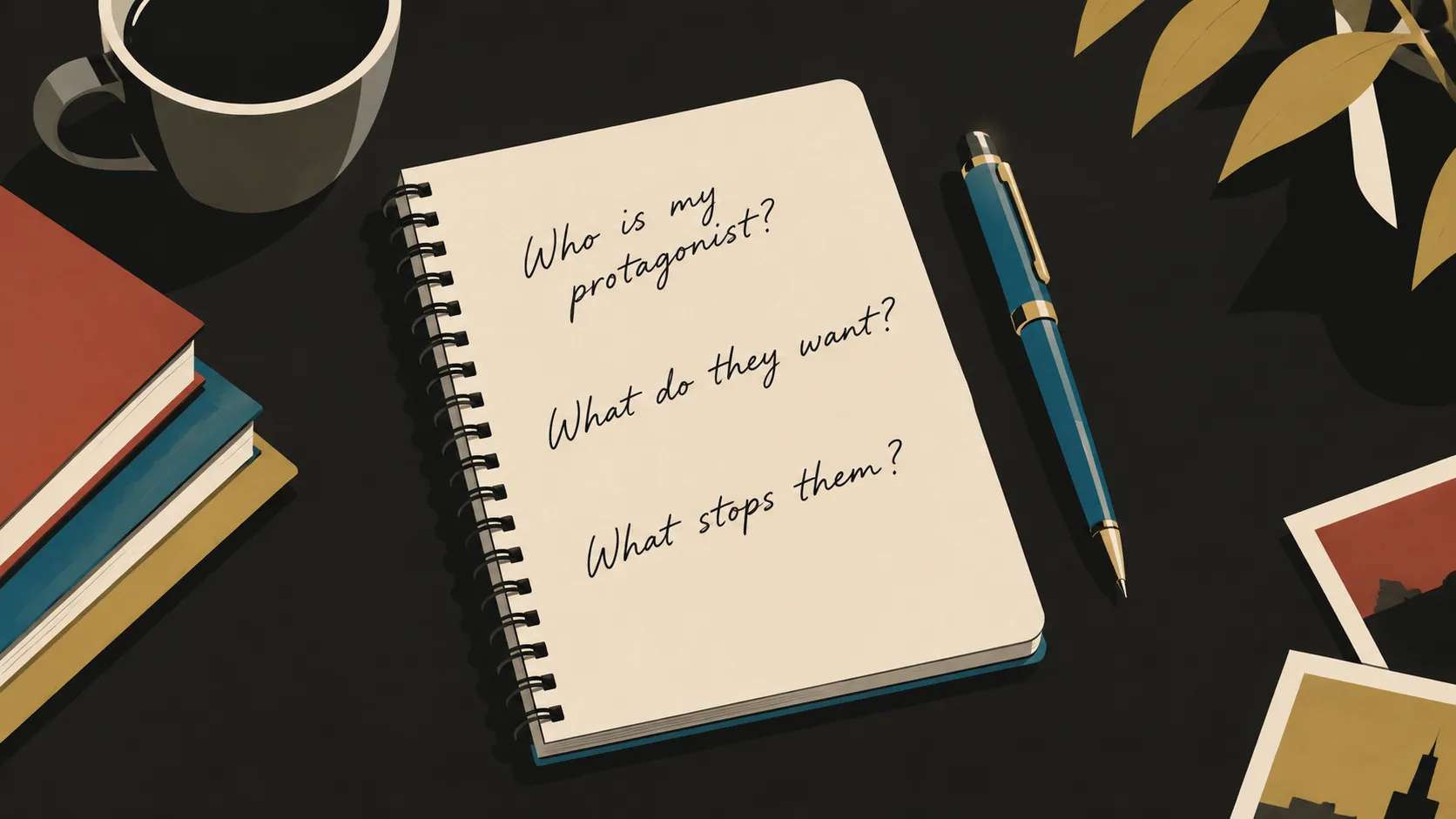
    Before you draft, answer three questions on paper: who is the protagonist, what do they want, and what prevents them from getting it? Those three answers form the spine of your three acts. If your protagonist feels vague on the page, the fix is usually here, at the level of desire and obstacle, which is often why a protagonist reads as boring in early drafts.

    Build Your Key Plot Points First

    Sketch the four essential beats before you write a scene:

    1. The inciting incident that shakes the ordinary world.
    2. The first plot point that ends Act One and forces the protagonist forward.
    3. The midpoint that raises the stakes and reframes the story.
    4. The climax that answers the dramatic question.

    Everything else hangs off these anchors. If you are working with a template, a three-act template built for novelists will give you rows to fill in for each beat rather than a blank page.

    Using an Outline as a Working Document

    An outline is a working document, not a contract. Most novelists change it substantially as they get to know their characters, and that is a good sign, not a failure. What the outline gives you is direction: each writing session begins with a clear destination, even if the route changes. Ask of every scene whether it moves the story forward or reveals character in a meaningful way; if it does neither, it is filler. Discovery writers can still use the model as a check after each chapter, which is one reason the pantser approach benefits from occasional structural review.

    Takeaway: know how the book ends before you draft the middle. Direction is the single biggest gift structure gives you.

    Related Concepts

    Inciting Incident

    The event in Act One that disrupts the protagonist’s ordinary world and sets the story in motion. It is not the same as the first plot point, which comes later and locks the protagonist into Act Two.

    Midpoint

    The scene near the center of Act Two that shifts the story’s terms, often by revealing new information or raising the stakes. Without a strong midpoint, Act Two sags.

    Character Arc

    The internal change a protagonist undergoes from Act One to Act Three. External plot and internal arc should turn on the same events, which is why writers spend so much effort on creating characters readers cannot stop thinking about.

    Rising Action

    The escalating sequence of obstacles across Act Two that pushes the protagonist toward the climax. Rising action is not just more events; it is events that cost more.

    Conclusion

    The three-act structure has shaped storytelling from Aristotle to contemporary bestsellers, and it endures because it matches how readers process cause and effect. Mastery does not come from memorizing labels; it comes from understanding why one act must give way to the next. Writers who internalize the framework find the blank page less daunting because they always know, at minimum, what kind of story moment they are writing toward. If you want a quiet drafting space that keeps your beats visible without adding noise, ClearARC was built with exactly that discipline in mind. Pick up a pen, pour the coffee, and put the first act on paper.

    Frequently Asked Questions

    What are the three acts in the three-act structure?

    The three acts are the Setup, the Confrontation, and the Resolution. Act One establishes character and world, Act Two escalates conflict as the protagonist struggles, and Act Three delivers the climax and its aftermath.

    How long should each act be in a novel?

    Roughly one quarter, one half, and one quarter. Act Two is conventionally the longest, often around fifty percent of the total length, with Act One and Act Three sharing the remaining half between them.

    Where did the three-act structure come from?

    Aristotle described the principle of beginning, middle, and end in his Poetics in the 4th century BC. Screenwriter Syd Field formalized the modern Setup, Confrontation, and Resolution labels in his 1979 book Screenplay.

    Is the three-act structure only for screenwriting or does it work for novels too?

    It works for both. Novelists across literary fiction, thrillers, romance, and fantasy use the same three-act scaffolding, though they weight the beats differently. The structure describes narrative cause-and-effect, not medium.

    What is the inciting incident and where does it appear in the three-act structure?

    The inciting incident is the disruptive event that pulls the protagonist out of ordinary life. It usually appears early in Act One and triggers the chain of decisions leading to the first plot point that ends Act One.

    What happens at the midpoint of a three-act structure?

    The midpoint sits near the center of Act Two and shifts the story’s terms. New information, a reversal, or a raised stake reframes what the protagonist is fighting for and prevents the middle of the novel from sagging.

    Can I use the three-act structure if I am a pantser (discovery writer)?

    Yes. Many discovery writers use the model retrospectively, checking after each draft chapter that the beats are landing. The pantser’s tricky planning problem is often solved by structural review rather than heavy pre-outlining.

    What is the difference between the three-act structure and the hero’s journey?

    The three-act structure is a general scaffold of beginning, middle, and end joined by turning points. The hero’s journey is a more specific pattern of stages, such as the call to adventure and the return, that fits inside three-act thinking rather than replacing it.

  • Linear Story Structure Explained: What It Is And When To Use It

    Linear Story Structure Explained: What It Is And When To Use It

    Linear story structure is the oldest and most widely used narrative framework: events unfold in chronological order, from beginning to middle to end, each moment causing the next. It sounds simple, and in the best hands it is. Understanding when to use it, and when to reach for something else, is one of the quietest skills a writer can develop. ClearARC exists to help writers build that judgment chapter by chapter.

    Definition: What Linear Story Structure Actually Means

    EBSCO research entry on linear plot development explaining Aristotle's narrative framework and classical story structure.

    A linear narrative is a story that presents its events in the order they occur in story time. A happens, then B, then C, and the reader travels forward with the characters rather than being shuttled around in time. Brief recollections are allowed, but the spine of the book moves in one direction. That single-direction motion is what the word “linear” is actually pointing at.

    The idea is old. Aristotle described it in the fourth century BCE in his Poetics, arguing that effective narrative has a clear beginning, middle, and end connected by cause and effect. According to EBSCO’s research entry on linear plot development, this classical model is sometimes called “Aristotle’s incline,” a name that captures the rising tension climbing toward a climax. If you have ever sketched a story structure template on a napkin, you were probably drawing something close to it.

    The Core Idea in Plain English

    In plain English: a linear story is one you can retell with the word “then.” First this, then that, then the next thing. The line runs one way, and the reader trusts it. That trust is the whole reason the shape works, and it is why so many writers building their first believable characters reach for a linear frame before anything else.

    Where the Term Comes From

    Linear structure is distinct from nonlinear structure, where scenes are deliberately reordered, and from circular structure, where the story ends where it began. All three are legitimate. The word “linear” simply refers to the line-like, unidirectional movement of the story from opening scene to final resolution, and it stays useful because most readers, most of the time, still think in that shape. A close cousin worth reading about is Christopher Booker’s seven basic plots, which almost all assume a chronological spine.

    How Linear Structure Works: The Five-Stage Arc

    Handwritten sketch of a five-stage story arc showing exposition, rising action, climax, falling action, and resolution

    The modern linear arc maps neatly onto five stages: exposition, rising action, climax, falling action, and resolution. Exposition introduces the world and plants the conflict. Rising action escalates pressure. The climax is the peak. Falling action shows the consequences of that peak. Resolution closes the loop. If you are trying to plan the shape of your novel in advance, those five beats are the cleanest checklist you will find.

    Exposition and Rising Action

    Cause and effect is the engine of the whole thing. Each scene should create the conditions that make the next scene necessary. If you can lift a scene out and nothing downstream changes, that scene is decorative rather than structural. The best rising action is a chain of decisions, not a chain of incidents, and it usually depends on a protagonist worth following making choices under pressure.

    Climax, Falling Action, and Resolution

    Flashbacks can live inside a linear structure without breaking it, as long as the majority of the narrative motion still moves forward in time. John Updike’s short story “A&P” is frequently cited as a clean linear plot that unfolds step by step without structural interruption. Character development in a linear book follows the same chronological line as the plot; growth becomes visible because the reader has watched it happen, and the gap between what a character wants and what they need closes in a sequence the reader can feel.

    Why Writers Default to Linear Storytelling

    Person reading a book with focused attention

    Human cognition maps naturally onto forward-moving time. Readers can follow a linear story with less effort and spend that saved effort on character and theme rather than on untangling sequence. That is not a small advantage. It is often the difference between a reader finishing your book and a reader quietly setting it down after chapter three, which is where most readers decide to keep reading or stop.

    Reader Comfort and Clarity

    Linear structure also delivers theme efficiently. Because events proceed in order, the cause-and-effect logic makes meaning legible without the author having to step in and explain. You can trust the sequence to do the arguing for you, particularly when the lie your character tells themselves is exposed by consequences the reader has watched accumulate.

    Strengths for First-Time and Genre Novelists

    Genre fiction leans heavily on linear structure. Mysteries, romances, thrillers, and fantasy quests tend to deliver satisfaction only when the payoff arrives in the right sequence. First-time novelists benefit too, because a linear scaffold means the writer always knows what comes next, which reduces the risk of structural drift halfway through the draft. Wikipedia’s entry on story structure describes linear progression as “the overwhelmingly most typical story structure,” and that near-universality is a reason, not an accident. It is also the shape that suits writers who prefer to plan rather than pants their way through a book.

    When Linear Structure Is the Right Choice

    Character's journey through sequential moments showing how information is revealed over time

    Some stories almost demand chronological order. If dramatic irony would gut your tension, linear structure protects it: the reader discovers information at the same pace as the protagonist, and suspense is maximised. Coming-of-age narratives, which depend on visible sequential transformation, need the reader to walk beside the character through each stage of growth rather than see it retrospectively, and that walking pace is easier to hold when the character arc itself is built in sequence.

    Story Types That Suit Chronological Order

    Quest and journey plots are structurally linear by nature. Road trips, odysseys, hero’s-journey frameworks: the physical forward motion mirrors the narrative forward motion, and departing from that mirror usually costs more than it earns. If your emotional payoff depends on the reader not knowing a key fact until late, chronological order is the safest guardian of that reveal. This is often where a well-placed twist lands hardest.

    Signs Your Story Wants to Be Linear

    A practical diagnostic: if you can summarise your plot as “first X, then Y, then Z, and finally W” without distorting anything, your story is already linear. Stay there. Restructuring a book that wants to be linear into something clever usually costs momentum you cannot afford, particularly if you are still working out why your protagonist feels flat on the page.

    Linear vs. Nonlinear: Knowing When to Break the Line

    Nonlinear narration lets writers group scenes by emotional resonance rather than clock time. That is genuinely useful for building irony, sustaining unreliable narration, or setting past and present in thematic contrast. Converging-timeline and parallel-story structures work precisely because the reader knows more than any single character, which can generate a specific kind of tension you cannot get from a straight line, especially when the tension between hero and villain is the emotional core.

    What Nonlinear Adds (and Costs)

    The cost is cognitive load. The reader now has to track temporal position on top of character, plot, and theme. That overhead must earn its keep in emotional or thematic payoff, or the reader will simply feel tired. A useful gut check: if reordering the scenes chronologically would not weaken the book, they should probably be chronological. If reordering would flatten a subplot that is quietly doing important work, the nonlinear order is earning its place.

    Common Misconceptions About Flashbacks

    A common misconception is that any flashback makes a book nonlinear. It does not. A single well-placed flashback inside a forward-moving narrative is still linear. Writers who switch from linear to nonlinear mid-draft are often, honestly, avoiding a difficult scene rather than serving the story. Diagnose the motive before restructuring, and look hard at whether the self-deception scene you keep dodging is the one your book actually needs.

    Putting Linear Structure Into Practice

    The plot diagram, showing exposition, rising action, climax, falling action, and resolution, remains the most reliable visual tool for planning or auditing a linear narrative. Pen, paper, five points on a rising line. That is enough to start, and it is often enough to finish, especially when paired with a longer planning method you can trust to hold the shape of a whole book.

    Mapping Your Story Before You Write

    Sequence your events on paper or index cards before drafting. This lets you verify that cause-and-effect logic holds at every link in the chain, and it exposes scenes that are decorative rather than structural before you have spent three weeks writing them. Linear structure also pairs naturally with milestone-based drafting: each beat is a checkpoint, which makes progress measurable and helps you spot scenes doing no structural work, including ones featuring side characters who keep disappearing from the page.

    Keeping Momentum Through the Middle

    The middle is where linear stories most often stall. Keep forward drive by ensuring each scene ends with a new complication or a raised question. Even within a strict chronological frame, vary scene texture: dialogue, action, reflection, silence. That variation is what stops a well-planned book from reading as mechanical, and it is often what makes readers remember the small final action that closes your story.

    Frequently Asked Questions

    What is linear story structure?

    Linear story structure is a narrative that presents events in chronological order from beginning to end, connected by cause and effect. Brief recollections are allowed, but the main forward motion of the story is never interrupted for long.

    What is the difference between linear and nonlinear narrative?

    A linear narrative moves forward in time; a nonlinear one reorders events, using flashbacks, parallel timelines, or converging plots. Linear favours clarity and momentum. Nonlinear favours thematic layering and irony, at a cost of higher reader effort.

    Can a story be linear if it includes flashbacks?

    Yes. A single flashback, or even a few, does not make a book nonlinear. As long as the majority of the narrative motion still moves forward in time, the structure remains linear and readers experience it as chronological.

    What are examples of linear story structure in literature and film?

    John Updike’s “A&P” is a frequently cited literary example. Classic fairy tales like “The Three Little Pigs,” most coming-of-age novels, and quest films such as The Lord of the Rings also follow clean linear arcs from setup to resolution.

    Why do most writers use linear story structure?

    Because readers process forward-moving time with the least effort, which frees attention for character and theme. Linear structure also gives writers a dependable scaffold, making it easier to hold cause-and-effect logic across a full-length draft.

    Is linear structure better for beginners?

    Generally, yes. Linear structure reduces the number of things a first-time novelist must track at once, keeps momentum forward, and lets the writer focus on scene craft and character rather than juggling temporal position across a long manuscript.

    What are the five stages of a linear plot?

    The five stages are exposition, rising action, climax, falling action, and resolution. Exposition sets up conflict; rising action escalates it; the climax is peak tension; falling action releases consequences; resolution closes the story.

    When should a writer choose nonlinear over linear structure?

    Choose nonlinear when the emotional or thematic payoff genuinely depends on reordering: unreliable narration, ironic juxtaposition, converging timelines, or a mystery whose meaning shifts with revealed sequence. Otherwise, linear will serve the book and the reader better.

    Conclusion

    Linear structure is not a beginner’s shortcut. It is a durable, honest shape that has carried most of the stories human beings have ever told, and it rewards writers who respect its logic of cause and effect. Learn it first, use it often, and break from it only when a book genuinely asks you to. If you want a calm, no-AI workspace to plan your chapters and hold your milestones as you draft, ClearARC is built for exactly that.

  • Story Writing Structure Explained: A Beginner’s Guide To Novels

    Story Writing Structure Explained: A Beginner’s Guide To Novels

    Understanding story writing structure is the first real step toward finishing a novel that works. Every book readers love, from quiet literary fiction to page-turning thrillers, rests on a recognizable architecture: a disruption, a journey, a climax, a resolution. ClearARC exists to help writers map that architecture before a single chapter goes sideways. This guide breaks down what structure is, why it matters, and how to choose the right framework for your book.

    What Story Writing Structure Actually Means

    Wikipedia's article on story structure showing the foundational definition of narrative architecture.Structure is the shape you give a story so a reader can follow it without getting lost. It’s the invisible skeleton beneath the scenes, the reason a chapter ends where it does and a revelation lands when it lands. Without it, even beautiful prose drifts. With it, a modest premise can carry four hundred pages.

    A Working Definition

    According to Wikipedia’s overview of narrative structure, story structure is the recognizable order in which a narrative’s different elements are unified and presented to the reader. Most Western stories share five core elements: exposition, rising action, climax, falling action, and resolution. Research cited in that same overview suggests structure influences how the brain organizes information, which is why a well-shaped story feels easier to hold in mind, and why a character worth following from page one tends to anchor the whole architecture.

    Structure vs. Plot: The Key Difference

    Plot is what happens. Structure is the sequence and shape in which those events are delivered. A murder solved chronologically is a different book than the same murder revealed backward, even though the plot beats are identical. Even loose, character-driven literary fiction has structure; it simply wears it more quietly than a thriller. The takeaway: if your draft feels shapeless, the fix is usually structural, not sentence-level, and you can often trace it to a weak character arc underneath.

    The Core Story Structures Every Novelist Should Know

    There is no single correct framework. Reedsy identifies at least seven distinct story structures that working novelists actively use, and most of them overlap in useful ways. Learning two or three well is more practical than collecting all of them.

    Three-Act Structure

    The three-act structure divides a novel into setup, confrontation, and resolution. It was first described formally in the fourth century A.D. by Aelius Donatus, and popularized for modern writers by Syd Field in Screenplay. Act One introduces the protagonist and the world, then delivers the inciting incident. Act Two, the bulk of the story, is where conflict deepens and the gap between want and need grows sharp enough to hurt. Act Three brings the climax and the fallout.

    The Hero’s Journey

    Popularized by Joseph Campbell, the Hero’s Journey follows a protagonist who leaves an ordinary world, crosses a threshold, faces trials, and returns transformed. It maps cleanly onto fantasy and adventure, but it also underpins quieter coming-of-age novels. The pattern is worth knowing even if you never use it wholesale, because it teaches you how transformation is earned scene by scene, especially when you make hero and villain tension crackle.

    Other Frameworks Worth Knowing

    Save the Cat beats, Freytag’s Pyramid, Dan Harmon’s Story Circle, Fichtean plot, and Christopher Booker’s seven basic plots each offer a slightly different lens. Genre matters here: a mystery needs a crime and a solution, a romance needs obstacles followed by union. If you’re curious about the archetypal end of the spectrum, Booker’s seven basic plots is a strong starting point. Takeaway: pick one framework for your first draft and stop shopping.

    The Anatomy of a Well-Structured Novel

    Books on a shelf representing the moving parts of a well-structured novel: disruption, rising tension, climax, and landing.Zoom in on any framework and you find the same moving parts. A disruption. A rising line of tension. A peak. A landing. Understanding these parts at the whole-novel level and at the scene level is what separates writers who finish from writers who stall in the middle.

    The Inciting Incident and Rising Tension

    Every well-structured story begins with a disruption to the protagonist’s equilibrium, often called the inciting incident or catalyst. From there, tension climbs. According to the National Centre for Writing, this principle of climbing tension applies at the level of a short story, a chapter, and even a single scene. Turning points punctuate the climb, giving you peaks and troughs rather than a flat line, and each turn is a good place to check whether your subplot is trying to tell you something.

    Climax and Resolution

    The climax answers the story’s central dramatic question. Will the detective name the killer? Will the marriage survive the confession? The resolution then delivers some form of reversal or surprise, so readers leave satisfied rather than merely relieved. That final beat matters more than most beginners realize; often it’s the tiny final action that makes your novel memorable rather than the big explosion two chapters earlier.

    How Scene-Level Structure Mirrors the WholeA scene is a novel in miniature. It opens with a question, escalates, turns, and closes on a shift. If your middle drags, it’s usually because individual scenes have no internal arc, and readers stop leaning forward. A practical fix is looping techniques that make readers want to read on, planting a hook at the end of every scene. Takeaway: fractal structure. What works at the book level should work at the chapter and scene level too.

    How to Choose the Right Structure for Your Novel

    Writer choosing between outlining and drafting approaches to structure their writingDifferent writers apply structure at different stages. Some outline every beat before chapter one, others find structure only during revision. As Ian Nettleton notes for the National Centre for Writing, there is no single correct way in, only the approach that suits the writer and the project.


    Plotting vs. Discovering as You Write

    Stephen King famously writes without a predetermined plot, placing characters in a situation and following them. Brian Aldiss described plotting as telling himself the story as he goes. Both approaches are legitimate. If you lean discovery, be honest about the tradeoff: pantsers face the most ferocious obstacle of all in the messy middle, and structural awareness during revision is not optional for you, it’s survival.

    Matching Structure to Genre

    Genre choice shapes structural expectations. Plot-driven genre fiction (thriller, mystery, romance) calls for tighter, more prescribed structure than character-driven literary fiction. Readers pick up a cozy mystery expecting a body by chapter three and a solution by the last chapter. Break that promise without a strong reason and you lose them. Even in literary work, structure quietly holds the protagonist’s interior life in focus.

    When to Apply Structure in Your Process

    Structure is a diagnostic tool as much as a planning tool. It reveals why a draft feels slow or unsatisfying and points toward specific fixes: a missing turning point, a climax that arrives too early, a resolution that skips reversal. Reedsy editors suggest beginners start with a well-understood framework, because breaking rules effectively requires mastering them first. A deeper planning pass before revision can save months. Takeaway: structure early or structure late, but structure eventually.

    Common Misconceptions About Story Structure

    Most resistance to structure comes from misreading what it actually asks of you. It doesn’t ask for a formula. It asks for a spine.

    Misconception: Structure Makes Stories Formulaic / Reality: Readers Crave Pattern

    Most beloved novels can be analyzed through standard frameworks, yet they feel wholly original because character voice and specific detail make familiar shapes feel new. A well-drawn character readers can’t stop thinking about will lift a conventional structure into something singular.

    Misconception: Structure Kills Creativity / Reality: Constraints Focus Imagination

    Tight structure answers reader questions, delivers a satisfying climax, and furthers character development. Constraints give imagination somewhere to push against. A rigid frame often produces stranger, braver scenes than an open field does, especially when it exposes the lie your character tells themselves.

    Misconception: You Must Plan Structure Before Writing / Reality: Timing Is Personal

    Some writers plan for months. Others draft blind and shape in revision. Both work. What doesn’t work is refusing to think structurally at all. Even a loose, character-led novel needs the promise of a story, and even committed pantsers benefit from writing by the seat of your pants with a light framework in mind. Takeaway: structure is guidance, not a cage.

    Getting Started: Applying Structure to Your First Novel

    The overwhelm of a first novel usually comes from trying to hold everything in your head at once. Structure lets you set that weight down in pieces.

    Map Your Story’s Spine Before You Outline

    Begin by identifying three anchors: the inciting incident, the climax, and the resolution. Everything else builds outward from those fixed points. Write a one-paragraph summary that names the disruption, the journey, and the outcome. If you can’t fit the story into that paragraph, you don’t know it yet. A simple story structure template can hold the three anchors while you fill in the rest.

    Use Structure as a Revision Compass

    During revision, lay your chapter list against your chosen framework. Look for sagging middles, missing turning points, and unearned climaxes. Structure awareness also turns a daunting manuscript into a series of achievable chapter-level goals, which is often the difference between finishing and stalling. The team at ClearARC built its planning approach around exactly this: pick a structure to guide the first draft, then let the story tell you what it actually became. Takeaway: structure is how you finish, not just how you start.

    Frequently Asked Questions

    What is story writing structure?

    Story writing structure is the recognizable order in which a narrative’s events are organized and presented to the reader. It gives a story its shape, controlling pacing, tension, and the timing of key emotional beats across scenes, chapters, and the whole book.

    What are the most common types of story structure for novels?

    The most common are the three-act structure, the Hero’s Journey, Save the Cat, Freytag’s Pyramid, Dan Harmon’s Story Circle, the Fichtean curve, and Christopher Booker’s seven basic plots. Reedsy identifies at least seven frameworks in active use.

    Does every novel need a strict story structure?

    Every novel needs structure, but not every novel needs a strict framework. Literary and experimental fiction often use looser shapes, while genre fiction leans on tighter, reader-expected patterns. Structure is guidance, not a cage around your creative choices.

    What is the three-act structure in simple terms?

    The three-act structure splits a novel into setup, confrontation, and resolution. Act One introduces the world and the inciting incident, Act Two develops conflict and character across the story’s middle, and Act Three delivers the climax and its aftermath.

    What is the difference between story structure and plot?

    Plot is what happens in the story. Structure is the order and shape in which those events are delivered to the reader. The same plot told chronologically or in flashback produces two structurally different books with different emotional effects.

    When should I think about structure: before writing or during revision?

    Both are valid. Some writers outline structure before chapter one; others discover it during revision. Stephen King writes without a plot; other novelists plan every beat. What matters is that structure gets addressed at some point in the process.

    Can following a story structure make my novel feel formulaic?

    Not if character, voice, and specific detail are strong. Most beloved novels fit standard frameworks yet feel entirely original because the writer filled familiar shapes with particular people and vivid scenes. Formula lives in generic execution, not in structure itself.

    What story structure is best for a beginner writing their first novel?

    The three-act structure is the friendliest starting point. It’s widely understood, easy to diagnose against, and flexible enough to fit most genres. Master it first, then experiment with Hero’s Journey, Save the Cat, or looser frameworks on later projects.

    Finishing What You Started

    Structure is not a cage and it’s not a shortcut. It’s the map that lets you keep walking when the fog rolls in around chapter fourteen. Pick one framework, name your three anchors, and start drafting. When you get stuck, come back to the shape. That’s the whole discipline, and it’s what ClearARC is built to support: quiet, focused planning that respects the craft and gets the book finished.

  • Three-Act Story Structure Explained: A Novel-Writing Guide

    Three-Act Story Structure Explained: A Novel-Writing Guide

    The three-act story structure is one of the oldest and most widely used frameworks for plotting fiction, dividing a narrative into Setup, Confrontation, and Resolution. Traced back to Aristotle’s Poetics and formalized for modern writers by Syd Field’s 1979 book Screenplay: The Foundations of Screenwriting, the model gives novelists a clear cause-and-effect scaffold for pacing, character development, and dramatic tension. ClearARC is built around this kind of quiet, analog planning, helping writers apply the structure from first outline to final draft.

    What Is the Three-Act Structure?

    Definition and Origins

    The three-act structure is a model that divides a story into three parts: Setup (Act 1), Confrontation (Act 2), and Resolution (Act 3). Each act carries out a specific narrative function, and each is bridged by a plot point that turns the story in a new direction. If you have ever sketched a novel on the back of a napkin as beginning, middle, and end, you have already used a rough version of it, and a story structure template simply makes those instincts more deliberate.

    The earliest written record of this beginning-middle-end model comes from Aristotle’s Poetics, written in the 4th century B.C., where he argued that stories should be a chain of cause-and-effect beats rather than loose episodes. Syd Field formalized the modern three-act framework in 1979 for screenwriters, and novelists adopted it because the same logic serves prose. Understanding the seven basic plots alongside three-act shape gives you two complementary lenses for planning.

    The Dramatic Question

    Every three-act story poses a central dramatic question early on: Will the detective solve the crime? Will the farmer save the harvest? Will the reluctant heir accept the throne? The question is set up in Act 1, complicated across Act 2, and answered in the climax of Act 3. Keeping one clear question at the heart of the manuscript is what stops a first draft from wandering.

    Takeaway: Before you outline, write your dramatic question in a single sentence and pin it above your desk.

    Act 1: The Setup

    An illustration showing a protagonist in their ordinary world before the inciting incident disrupts their normal life.

    Exposition and World-Building

    Act 1 introduces the protagonist, their relationships, and the world they inhabit. It shows the reader what “normal” looks like so the disruption to come actually feels like a disruption. A grounded opening chapter tends to hinge on a character worth following, doing something specific in a specific place, rather than on abstract world-building.

    Exposition should also plant the protagonist’s want and the obstacles standing in their way. Weave in setting through sensory detail; a believable place does more work than three paragraphs of history dump.

    The Inciting Incident

    The inciting incident, sometimes called the catalyst, is the on-page event that confronts the protagonist and disrupts the ordinary world. A phone call, an arrest, a stranger at the door, a body in the woods. It should force the protagonist to make a choice, and that choice starts the story’s engine. Characters who react passively feel thin, which is often why protagonists feel boring in early drafts.

    The First Plot Point

    The first plot point closes Act 1 by locking the protagonist into a new situation from which there is no return. This is where the dramatic question sharpens into focus and the reader understands what the book is actually about. In a novel, Act 1 typically occupies roughly the first quarter of total length, which for an 80,000-word manuscript is around 20,000 words. Use the gap between want and need to give this turning point emotional weight, not just plot weight.

    Takeaway: By the last page of Act 1, the protagonist should not be able to walk away.

    Act 2: The Confrontation

    An illustration of a protagonist facing mounting obstacles and tensions during the rising action of Act 2.

    Rising Action and Escalating Obstacles

    Act 2, often called the rising action, depicts the protagonist’s repeated attempts to resolve the central problem while facing ever-worsening situations. Protagonists at this stage lack the skills or self-awareness needed to overcome the antagonistic forces confronting them, and that gap is the raw material of character arc growth. Make each attempt cost something.

    Subplots enter here too, threading themes and secondary characters through the main line. A well-placed subplot can carry the theme when the A-plot is busy with mechanics, and subplots that argue with the main story tend to produce the richest middles.

    The Midpoint

    The midpoint sits near the center of Act 2 and either raises the stakes or shifts the protagonist’s approach. It is the structural beat that saves the middle from sagging, the moment where a mystery deepens, an ally betrays, or the goal changes shape. Good midpoints often force the protagonist to face the lie they tell themselves for the first time.

    The Dark Night of the Soul

    Near the end of Act 2 comes the second plot point, sometimes called the dark night of the soul. The protagonist is at their lowest: stripped of allies, plans in ruins, the old strategy discredited. Only when they hit this floor can they gather the resolve to enter the final confrontation as someone changed. Antagonists sharpen this scene, and the tension between hero and villain should crackle at its highest voltage here.

    Takeaway: Act 2 is roughly half the book. If your middle feels slack, check whether your midpoint actually shifts anything.

    Act 3: The Resolution

    An illustration of a protagonist equipped with newfound skills and knowledge, ready to face the climactic moment.

    The Climax

    Act 3 opens with the protagonist entering the final confrontation equipped with the skills, allies, and self-knowledge earned across Act 2. The climax is the scene or sequence where the main tensions reach their most intense point and the dramatic question is answered. This is also where planted setups from Act 1 pay off, so a strong Act 3 echoes its opening chapters rather than introducing new machinery.

    Falling Action and Denouement

    After the climax comes the falling action, which resolves subplots and shows how secondary characters have been affected. The denouement then gives readers a sense of the protagonist’s new normal, showing how they have changed from who they were in Act 1. A short, precise final beat lands harder than a long one; the tiny final action is what readers actually carry home.

    Takeaway: Every payoff in Act 3 should trace back to a setup in Act 1 or Act 2. If it does not, plant it.

    Three-Act Structure in Practice: Examples and Application

    Recognizing the Structure in Popular Novels and Films

    Story expert K.M. Weiland frequently uses Jurassic Park as a teaching example because its beats are cleanly visible: the setup on the mainland, the inciting incident of the invitation, the first plot point when the tour begins, the midpoint when the power fails, the dark night in the visitor center, and the climax in the raptor kitchen. Once you learn to see the shape, it becomes visible in almost every mainstream story you read. Notice, too, how secondary characters drive change at each turning point rather than the protagonist acting alone.

    How to Outline Your Novel Using Three Acts

    Most writers begin by identifying five anchor beats: inciting incident, first plot point, midpoint, second plot point, and climax. With those pinned, filling in scenes becomes a matter of connective tissue rather than blind exploration. A deeper planning process turns those five beats into a scene list you can actually draft against.

    Not every writer plans this way, and that is fine. Discovery writers can apply the structure retroactively during revision, using the three acts as a diagnostic tool rather than a pre-writing blueprint; if you write by the seat of your pants, the framework becomes a lantern for revision instead of a leash for drafting. Whatever your process, hold each scene to a simple test: does it move the story forward or deepen characterization? Scenes that do neither are candidates for cuts.

    Takeaway: Compare your draft’s act proportions against roughly 25% / 50% / 25% to spot pacing imbalances before final revision.

    Common Misconceptions About the Three-Act Structure

    An illustration showing a writer's approach to the three-act structure as a flexible guide rather than rigid rules.

    Misconception: It Makes Stories Formulaic

    Reality: The three-act model is descriptive, derived from observing thousands of successful stories, not prescriptive. It tells you what tends to work, not what you must do. Within its walls you can still write anything from a quiet literary novel to a heist thriller, and unexpected turns live comfortably inside the framework.

    Misconception: It Only Works for Screenplays

    Reality: Although Syd Field popularized the model in a screenwriting context, the structure applies equally to novels, memoirs, and short fiction. According to Reedsy’s guide to the three-act structure, the model is the most widely used plotting technique in English-language fiction, screen and page alike. Novelists sometimes stretch or compress acts, but the functions stay the same.

    Misconception: Every Story Must Follow It Exactly

    Reality: Many literary and experimental works invert or subvert the structure deliberately. Understanding the convention is a prerequisite for breaking it purposefully. Related frameworks like the Hero’s Journey, the Five-Act structure, and the Save the Cat beat sheet offer overlapping but distinct scaffolding, and choosing between them is often a matter of the story’s genre and emotional register. What matters is that each act fulfills its function: establish, complicate, resolve, powered by characters with strong beliefs rather than page-count math.

    Takeaway: Learn the rules before you break them, and break them for a reason.

    Frequently Asked Questions

    What are the three acts in a story structure?

    The three acts are Setup, Confrontation, and Resolution. Act 1 establishes characters and world, Act 2 escalates the central problem through rising action and a midpoint shift, and Act 3 delivers the climax and denouement that answer the dramatic question.

    How long should each act be in a novel?

    Convention suggests roughly 25% Act 1, 50% Act 2, and 25% Act 3. For an 80,000-word novel, that is about 20,000 / 40,000 / 20,000 words. These are guidelines for pacing checks, not laws; function matters more than exact word counts.

    What is the inciting incident in the three-act structure?

    The inciting incident is the on-page event in Act 1 that disrupts the protagonist’s ordinary world and forces them toward a decision. It is not the first plot point itself but the catalyst that eventually pushes the story across that first threshold.

    What is the difference between the midpoint and the climax?

    The midpoint occurs near the center of Act 2 and shifts the stakes or the protagonist’s approach, keeping the middle from sagging. The climax comes in Act 3 and is the highest tension point of the entire novel, where the dramatic question is finally answered.

    Can the three-act structure be used for short stories?

    Yes. Short stories often compress the three acts into a few scenes or even a single scene, but the functions remain: establish a situation, complicate it, resolve it. Flash fiction sometimes collapses Act 1 into a single sentence of implied backstory.

    How does the three-act structure differ from the Hero’s Journey?

    The Hero’s Journey is a more granular monomyth with roughly twelve stages built around a call, trials, and return. The three-act structure is a broader container; you can map most Hero’s Journey beats inside it, but three-act shape works for stories that are not journeys at all.

    Is the three-act structure only for screenwriting or does it work for novels too?

    It works for both. Syd Field codified it for screenwriters, but the underlying logic predates film by two millennia. Novels benefit from the same cause-and-effect scaffolding, though prose gives you more room for interior character work between the major beats.

    What happens if my story doesn’t fit the three-act structure?

    That may be fine. Some stories genuinely need a different frame, such as five-act tragedy, kishotenketsu, or braided-narrative shapes. Before abandoning three acts, though, check whether your draft simply has a weak midpoint or an underdeveloped Act 1, which are the most common causes.

    Bringing It All Together

    The three-act structure is a scaffold, not a cage. It tells you where the load-bearing beats belong so the rest of the manuscript can rest on something solid, and it gives you a shared vocabulary for talking about pacing with editors, critique partners, and yourself. Learn the shape, draft your book, and let the framework do its quiet work in the background. When you are ready to plan your next novel with pen, paper, and no algorithms in the way, ClearARC is built for exactly that kind of writer.

  • 3-Act Story Structure Explained For First-Time Novelists

    3-Act Story Structure Explained For First-Time Novelists

    The 3-act story structure is the most widely used framework in fiction, dividing any narrative into Setup, Confrontation, and Resolution. First-time novelists who understand how these three acts function gain a reliable scaffold that keeps plots purposeful and character arcs meaningful. ClearARC helps writers map these structural beats before drafting, so stories stay on track from the first coffee-fuelled page to the final chapter (note that ClearARC uses the term ‘events’ instead of ‘beats’ as this fits fiction storytelling more aptly – beats is a screenplay term, so suits the 3 acts concept in terms of staged plays).

    What Is the 3-Act Story Structure

    The three-act structure divides a narrative into three distinct parts: Setup (Act 1), Confrontation (Act 2), and Resolution (Act 3). Each act is joined to the next by a specific turning event, and the whole thing is held together by cause-and-effect logic rather than a loose sequence of episodes. Think of it as a scaffold you build around a house you already care about, not a cage you drop over a wild idea.

    The Aristotelian Roots

    The framework traces back to Aristotle’s Poetics in the 4th century BC, where he argued that a well-formed story follows a linear arc: a beginning that opens a rising action, a decisive climactic moment, and a falling action toward resolution. According to Reedsy’s guide to three-act structure, Aristotle insisted that each scene must cause the next; a story is a chain of consequences, not a photo album. That single principle still separates a novel that pulls readers forward from one that stalls, and it is why writers benefit from deep planning their novel before drafting long stretches of prose.

    The Three Acts at a Glance

    Novelist Mary Adkins offers the cleanest short version of the three acts, and it is worth writing on the inside cover of your notebook. Act 1: I have a problem. Act 2: I think I know how to solve it. Act 3: I was wrong. That final phrase captures the internal shift the protagonist undergoes, and it hints at why the lie your character tells themselves is such a productive place to start when you sketch a new book. The three acts are less about page counts than about a perspective changing over time.

    Takeaway: The three acts are a shape of internal change, not a template. Setup, Confrontation, Resolution; problem, attempt, correction.

    Breaking Down Each Act

    Manuscript pages divided into story acts with notes on character developmentEach act does a different job. Skip any of them and the reader feels it, even if they cannot name what is missing.

    Act 1: The Setup

    Act 1 introduces the protagonist, the ordinary world, and the central problem, then ends with an inciting incident that pushes the character irreversibly forward. The phone rings, the letter arrives, the body is discovered. Before that moment, life could snap back to normal; after it, the protagonist has no clean way home. This is the act where you must convince the reader to invest, which is why opening a book with a character worth following matters more than an ornate first sentence.

    Act 2: The Confrontation

    Act 2 is typically the longest section of the novel, running about half the total length. The protagonist tries to solve the problem, and the world pushes back harder each time. Roughly halfway through Act 2 you place the midpoint, a beat where the stakes shift or new information reframes the goal. Without that midpoint the middle sags, and readers drift away. Escalation, not repetition, is what keeps this act alive; each obstacle should press on the gap between what the character wants and what they need.

    Act 3: The Resolution

    Act 3 delivers the climax, the decisive confrontation between the protagonist and the central conflict, followed by a shorter falling action that shows the new equilibrium. The protagonist acts on what they have learned, and the world changes in a way the reader can see and feel. The final gesture matters here; often it is the tiny final action that makes your novel memorable rather than the loudest set piece.

    Takeaway: Act 1 asks a question, Act 2 complicates the answer, Act 3 pays the question back with interest.

    Key Story Beats Within the Three Acts

    Planning notes showing story beats and turning points across three actsWithin the three acts sit a handful of specific beats that experienced novelists watch for. These are the joints of the skeleton.

    Plot Points and Turning Points

    Plot points, sometimes called turning points, are the events that end one act and launch the next. They are the “bridges” Aristotle described, and they carry the cause-and-effect weight of the whole story. A good turning point feels inevitable in hindsight but surprising in the moment. That effect comes from planting motivation early, which is why twists and unexpected turns in fiction work best when the seeds were on the page all along.

    The Dark Night of the Soul

    Near the end of Act 2, most three-act stories pass through what screenwriters call the Dark Night of the Soul, or the All Is Lost moment. The protagonist is furthest from the goal, stripped of allies or illusions, and must find some interior resolve before the final push. It is often the scene where the character stops lying to themselves; the self-deception scene that turns readers into fans tends to live here.

    The Climax and Denouement

    The climax sits early in Act 3 and stages the highest-stakes confrontation, where the protagonist applies their transformed understanding to resolve the central conflict. After the climax, the denouement, or falling action, shows the concrete consequences of that internal change. Readers need this quiet stretch; they have been holding their breath, and they want to see the new world take a few steps on its own. A scene here is often the one that makes readers cry, which is why writers study how to write a scene that makes readers cry rather than trusting the moment to arrive on its own.

    Takeaway: Plot points, Dark Night, climax, denouement. Learn these four beats and you can map almost any novel you love.

    Common Misconceptions About the 3-Act Structure

    The three-act structure attracts more objections than it deserves, mostly because it is often taught as a rigid formula rather than a working tool.

    Misconception: It Makes Stories Formulaic / Reality: It Is a Scaffold, Not a Script

    The structure describes the architecture of cause and effect; it does not dictate voice, theme, or style. As Writers.com’s overview of the three-act structure puts it, the model is scaffolding you hang a story on, and successful novels invert or bend it once the underlying logic is understood. Voice and interiority remain entirely yours, and so does the work of creating unforgettable characters.

    Misconception: Every Beat Must Hit at an Exact Page Count / Reality: Proportions Matter More Than Precision

    Strict page-count prescriptions come from screenwriting, where a 110-page script maps neatly onto film runtime. Novels breathe differently; genres pace differently; a literary novel and a thriller will place the midpoint at different word counts. Proportions matter, precision does not. Even so, knowing the rough shape helps when you are planning subplots that must weave through Act 2 without swamping it.

    Misconception: Only Plotters Can Use It / Reality: Pantsers Benefit Too

    Discovery writers can use the three acts as a retroactive editing tool, checking whether the drafted story contains the necessary beats rather than mapping them in advance. This is one of the calmer answers to the obstacle pantsers face when planning a novel: draft freely, then hold the finished pages up against the scaffold.

    Takeaway: The structure is a diagnostic, not a straitjacket. Use it before, after, or on the second pass.

    The 3-Act Structure vs. Other Story Frameworks

    Once you know the three acts, other frameworks stop feeling mysterious. Most are the same skeleton in a different coat.

    Joseph Campbell’s Hero’s Journey expands the three acts into 12 or 17 stages, offering more granular beats but mapping cleanly onto Setup, Confrontation, and Resolution. Blake Snyder’s Save the Cat beat sheet lists 15 named beats with suggested page counts, originally designed for screenplays; novelists borrow it loosely, treating the page counts as proportional guides. Christopher Booker’s plot taxonomy is another useful lens, and pairs well with the three acts when you are still choosing a story shape, which is why some writers pair this article with Christopher Booker’s seven basic plots explained.

    The differences between these frameworks matter less than the underlying agreement. All of them require a protagonist with a clear desire, escalating obstacles, a climactic decision, and a changed world at the end. Choosing a framework is less important than choosing one and applying it consistently in revision; structural problems are easier to diagnose when you have a shared vocabulary. A simple story structure template can hold the three acts, the Hero’s Journey, or a beat sheet equally well.

    Takeaway: Pick one framework, learn it well, and use it as a lens on your own drafts.

    How to Apply the 3-Act Structure to Your Novel

    Writer's desk with story structure references and draft manuscriptStructure is only useful when it touches the page. Here is a practical sequence for a first novel.

    Start With Character Before Structure

    Before mapping beats, name three things: your protagonist’s core desire, the primary obstacle standing in the way, and the internal misbelief they hold at the story’s start. These three answers decide what each act must accomplish. Strong beliefs generate strong plots, which is why writers spend time on why your major characters need strong beliefs before outlining anything.

    Outlining Your Three Acts

    Try this: write one sentence per act summarizing the protagonist’s situation and goal. Then expand each sentence into three to five key scenes that show cause-and-effect movement. Keep the outline loose enough to change but firm enough to guide a morning’s writing. Track the protagonist’s inner shift alongside the outer plot, because character arc basics are the engine that gives structural beats their meaning.

    Using Structure During Revision

    In revision, treat the three acts as a diagnostic. If Act 2 feels flat, check whether the midpoint genuinely raises the stakes. If Act 3 feels rushed, look for climax setup missing earlier. If the protagonist feels dull despite good scenes, revisit why your protagonist may feel boring and how to fix it. Map a novel you admire onto the three acts first; the pattern becomes intuitive faster than any theory lecture can teach it.

    Takeaway: Character first, one-sentence-per-act outline second, structural diagnosis on the revision pass.

    Frequently Asked Questions

    What are the three acts in the 3-act structure?

    The three acts are the Setup, the Confrontation, and the Resolution. Act 1 introduces the character and problem, Act 2 escalates obstacles as the protagonist tries to solve it, and Act 3 delivers the climax and shows the changed world.

    How long should each act be in a novel?

    Rough proportions work better than fixed page counts. Act 1 typically runs around 25 percent of the book, Act 2 around 50 percent with the midpoint at its center, and Act 3 the final 25 percent. Genre and pacing shift these numbers.

    What is the difference between the 3-act structure and the Hero’s Journey?

    The Hero’s Journey is Joseph Campbell’s twelve or seventeen stage model of mythic storytelling, while the three-act structure is a broader three-part framework. The Hero’s Journey maps neatly onto the three acts; it simply adds more named beats within each phase.

    Can I use the 3-act structure if I’m a discovery writer (pantser)?

    Yes. Many pantsers draft freely and then apply the three acts as a revision lens, checking whether the finished draft contains an inciting incident, a real midpoint, a Dark Night, and a climax. See writing by the seat of your pants for a fuller take.

    What is the inciting incident and where does it fall in the 3-act structure?

    The inciting incident is the event that pushes the protagonist irreversibly into the main story. It falls near the end of Act 1 and forces the character out of their ordinary world, making a return to the status quo impossible without confronting the central problem.

    What is the ‘Dark Night of the Soul’ in the 3-act structure?

    The Dark Night of the Soul, sometimes called the All Is Lost moment, sits near the end of Act 2. The protagonist appears furthest from the goal, faces private defeat, and must find internal resolve before attempting the climax that opens Act 3.

    Does every novel need to follow the 3-act structure?

    No, but most successful novels contain the three functional phases even when they appear non-linear or fragmented. Ensemble casts and time-jump narratives typically still open a problem, escalate it, and resolve a changed world; the acts are simply reordered.

    How do I know if my story’s structure is broken?

    Look for symptoms: a sagging middle usually means a weak midpoint; a rushed ending usually means missing Act 2 setup; a flat opening usually means no clear inciting incident. Diagnose act by act rather than rewriting the whole draft at once.

    Conclusion

    The three-act structure is a working tool, not a rulebook. Use it to plan, use it to unstick a middle, use it to read the novels you love with sharper eyes. First-time novelists who internalise Setup, Confrontation, and Resolution finish more books, and their books hold together on the page. When you are ready to map your own acts scene by scene, ClearARC gives you a calm, no-AI workspace to lay the beats out before the drafting begins.