Tag: book editing

  • How To Self-Publish a Novel: A First-Timer’s Guide

    How To Self-Publish a Novel: A First-Timer’s Guide

    Self-publishing a novel means finishing and editing your manuscript, formatting it, designing a cover, choosing a platform such as Kindle Direct Publishing or a print-on-demand service, then uploading and promoting it. Your budget depends mostly on how much editing and design you pay for. Skill level: beginner. Time: several weeks to a few months, depending on how many editing passes your book needs.

    What you’ll need

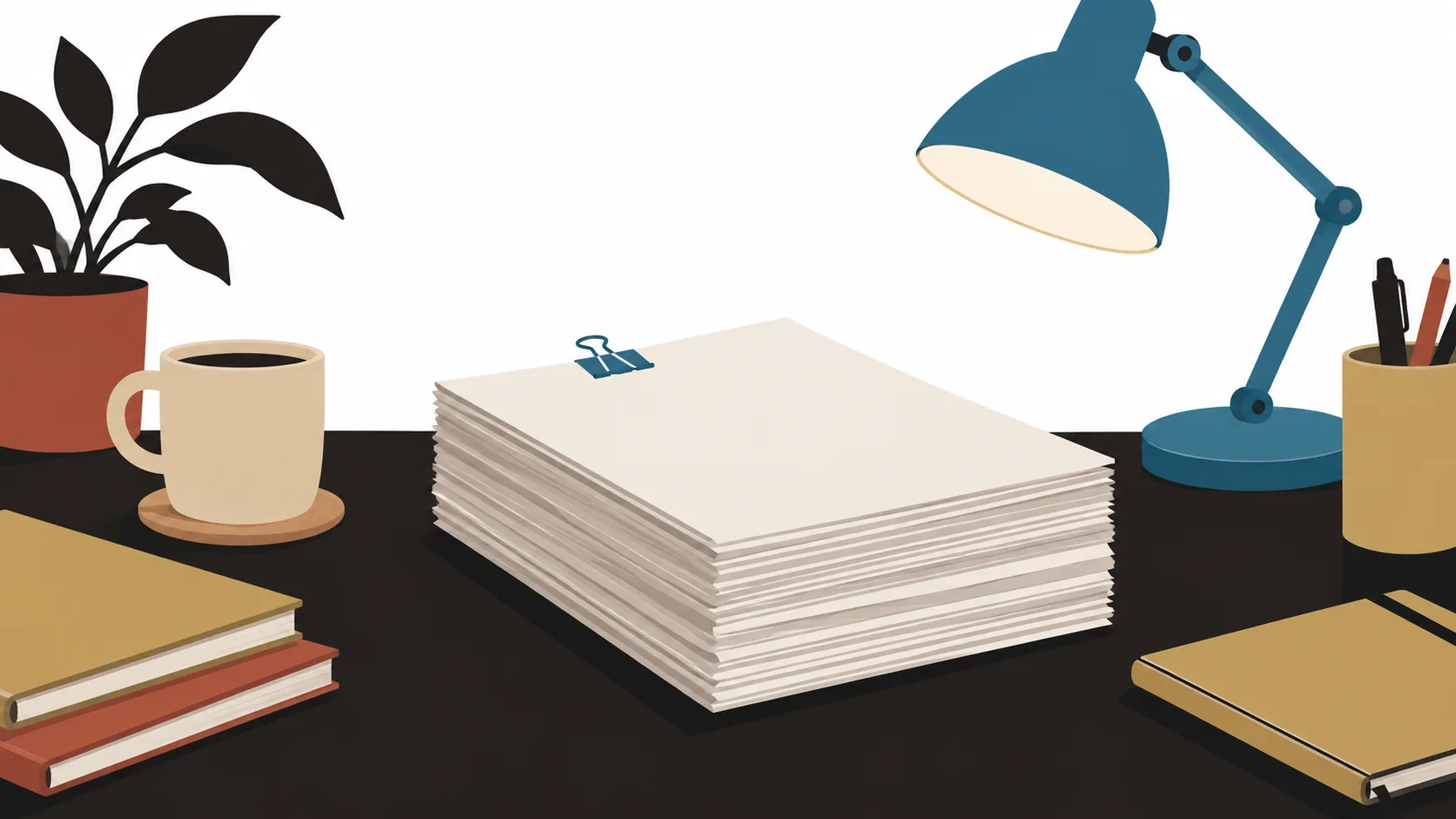
    Desk setup with the basic tools needed before self-publishing a novelGather these before step one. Most are free; two cost real money.

    1. A finished, revised draft. Not a nearly finished one. Publishing does not fix an incomplete book.
    2. A word processor that saves to .doc or .docx. Amazon UK lists these among the manuscript formats Kindle Direct Publishing accepts, alongside ePub, RTF and others (you can export from Google docs in .docx format too).
    3. A KDP account, set up with your identity and tax details so you can be paid (there are other platforms, but this is the simplest to get started with).
    4. An ISBN decision. Decide whether to buy your own or use a platform-supplied one for print editions.
    5. A trim size for the paperback, chosen once and kept.
    6. A cover, designed by you or a professional.
    7. A budget for editing, proofreading, design and marketing.
    8. Time, blocked out in the diary like any other appointment.

    If you are still planning the story itself, the free First-Novel Finisher’s Kit gives you a one-page plan, a chapter-planning grid, a seven-plots cheat sheet and a series of emails. It needs only pen and paper.

    Takeaway: tick all eight before you spend a penny.

    Before you start

    A writer considering key decisions before self-publishingThree decisions are expensive to undo, so make them deliberately.

    • Trim size. Choose a trim size and sticking with it for related books so a series looks consistent on the shelf. Changing later means reformatting every interior and cover.
    • Platform exclusivity. Some programmes reward you for selling an ebook in one store only. Read the terms before you enrol, because opting out may mean waiting for a term to end.
    • Editing budget. This is the biggest variable, and the one most worth protecting.

    A worked UK budget (it’s much the same for the USA – but the best editors cost considerably more)

    The Guardian’s step-by-step publishing guide puts a DIY self-publishing budget at about £4,000, with editing at £31.30 an hour and proofreading at £26.90 an hour.

    Example: assume your novel needs 20 hours of editing and 8 hours of proofreading.

    Item Hours Rate Cost
    Editing 20 £31.30/hr £626.00
    Proofreading 8 £26.90/hr £215.20
    Subtotal £841.20

    Against a £4,000 budget, that leaves roughly £3,160 for cover design and marketing. A longer or rougher manuscript needs more hours, so price your editor’s estimate before committing anywhere else (if you are confident with editing, you can do this yourself at no cost other than time, but professional editors will ensure your story flows, open loops are closed, and character arcs, plots, and sub-plots fit the genre).

    Takeaway: fix your trim size and editing figure first; everything else fits around them.

    Step-by-step: how to self-publish a novel

    Work through these in order. Do not move on until each check passes. For a broader view of the stage after the final full stop, read our guide to publishing your book after writing it.

    1. Finish and plan your manuscript

    Complete the draft, then map it chapter by chapter so you can see the shape. If the middle sags, revisit the three-act structure and check each act turns where it should. If the draft is not yet finished, start with how to write a book step by step.

    Check: you can summarise every chapter in one line and name what changes in it.

    2. Edit and revise in passes

    Edit in layers: structure first, then character, then scene, then line. Track each lead’s inner change against the outer plot; the Save the Cat beat sheet is a useful lens for this. Then hand the manuscript to your editor, or look at how to get help writing a book as a first-time novelist.

    Check: your editor’s notes are addressed, and your protagonist ends in a different place from where they began.

    3. Proofread

    Proofreading catches typos, inconsistent spellings and stray punctuation after editing is finished. Never proofread a draft you still plan to rewrite.

    Check: a fresh reader finds no new errors in a sample chapter.

    4. Format your files

    Style your interior consistently: chapter headings, scene breaks, margins and front matter. Format the paperback for your chosen trim size and keep a separate ebook file.

    Check: headings, page numbers and scene breaks look identical in every chapter of the exported file.

    5. Design your cover

    Commission a designer or build your own. Study the bestselling covers in your genre and match their conventions. Amazon UK notes that KDP offers a Cover Creator if you have nothing ready.

    Check: the thumbnail is readable at phone size and looks at home beside its genre neighbours.

    6. Choose your platform

    Print on demand, as Mixam explains it, prints only as many copies as are ordered, from one to thousands, so you store no boxes. IngramSpark describes its own service as offering complete ownership and control with professional print and distribution.

    Check: you have read the royalty and exclusivity terms of each platform you sign up to.

    7. Upload, price and proof a copy

    Enter your title, contributors and author name, upload the manuscript and cover, then use the previewer. Set your price, and order a printed proof before release.

    Check: the physical proof matches your files, with no cut-off text or misaligned spine.

    8. Launch and promote

    BookPrintingUK’s advice for self-published authors is to use social media to build a fan base and grow an email list. Start the list before launch day, not after.

    Check: you have a sign-up link in the back of your book and a launch email drafted.

    Takeaway: one passed check per step, every step.

    Troubleshooting

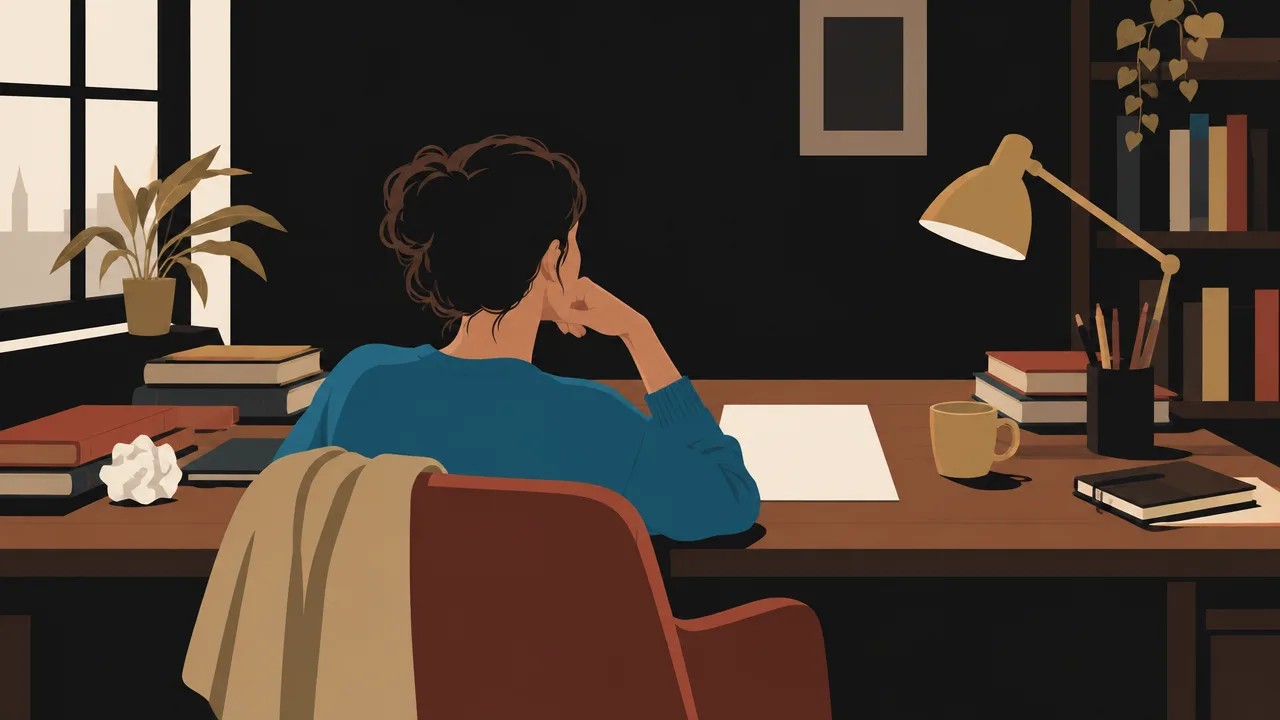
    A novelist pausing to fix a stalled draftSymptom: the draft stalls at the midpoint. Cause: the plan has run out ahead of the story. Fix: go back to a one-page plan, then work through our notes on overcoming writer’s block.

    Symptom: books in a series look mismatched. Cause: trim size changed between titles. Fix: pick one size and reformat the outliers to match.

    Symptom: the cover looks homemade. Cause: it ignores genre conventions or uses too many fonts. Fix: simplify to one image and two typefaces, or budget for a designer.

    Symptom: no sales after launch. Cause: no audience was built before release. Fix: start an email list, add a sign-up link to the back matter, and keep writing the next book.

    Symptom: formatting errors on the printed proof. Cause: manual spacing or mixed styles in the file. Fix: apply paragraph styles throughout, re-export and order a fresh proof.

    Takeaway: most failures trace back to a skipped check.

    FAQ: Frequently Asked Questions

    What is the cheapest way to publish your own book?

    Do the formatting and cover yourself, publish the ebook through a free platform, and use print on demand for paperbacks so you pay for no stock. Protect at least some editing budget, because errors cost readers.

    What is the 50 page rule?

    It is a reader’s rule of thumb: give a book 50 pages, and if it has not gripped you, put it down. For authors, it is a reminder that your opening chapters must earn the rest.

    What is the 90/10 rule for authors?

    It is commonly used to mean most of your effort goes into writing and revising the book, with a smaller share on publishing tasks. Treat it as a priority guide, not a strict ratio to measure against.

    Why do books have 10 9 8 7 6 5 4 3 2 1?

    That line of numbers on the copyright page is a printer’s key. The lowest number shown tells you which printing the copy belongs to; printers remove a number with each new print run.

    Do I need an agent to self-publish?

    No. Agents sell books to traditional publishers. When you self-publish, you deal with the platform directly, keep control of your rights, and handle editing, design and marketing yourself or through hired help.

    What is print on demand?

    Print on demand means a book is printed only when someone orders it, in whatever quantity is requested, from a single copy upward. You avoid paying for a large print run or storing unsold stock.

    How long does self-publishing take?

    It depends mostly on editing. Uploading a finished, formatted book is quick; the editing passes, proofreading, cover design and printed proofs are what take weeks or months. Plan each stage with its own deadline.

    Conclusion

    Finish the draft, edit in passes, proofread, format, design the cover, choose a platform, proof a printed copy, then launch with an email list in place. Each step has a check; respect it and the book holds together. If you want one place to plan, plot, write and prepare to publish, ClearARC is a no-AI writing app made by Quentin Pain, with a single version that includes everything. Pour the coffee. Open the next chapter.

  • How To Get Help Writing A Book: A Guide For First-Time Novelists

    How To Get Help Writing A Book: A Guide For First-Time Novelists

    Get help writing a book by matching the kind of help to your stage: a simple plan before drafting, a regular writing routine and small daily goals while drafting, and beta readers or a professional editor once the first draft is finished. Most first-timers grab help in the wrong order, paying for polish before a single chapter exists. This guide, from the makers of ClearARC’s free First-Novel Finisher’s Kit, sorts help by stage. Skill level: beginner. Time: one evening to set up, then steady weekly sessions.

    What You’ll Need To Get Help Writing A Book

    You need very little to begin. Keep the list short and the coffee hot.

    1. Pen and paper. A notebook in your pocket catches ideas when they arrive, not when you are at a desk.
    2. A free planning kit. The First-Novel Finisher’s Kit includes a one-page plan, a chapter-planning grid, a seven-plots cheat sheet and a series of emails. It costs nothing and needs only pen and paper, which makes it the cheapest first help available.
    3. A fixed weekly writing slot. Mark it in your diary like any other appointment.
    4. An idea you love. You will live with it for months, so pick the one you cannot shake.
    5. One trusted reader. Someone honest you can hand chapters to later.

    Takeaway: if you have a notebook and the kit, you already have enough help to start.

    Before You Start: Decisions That Are Hard To Undo

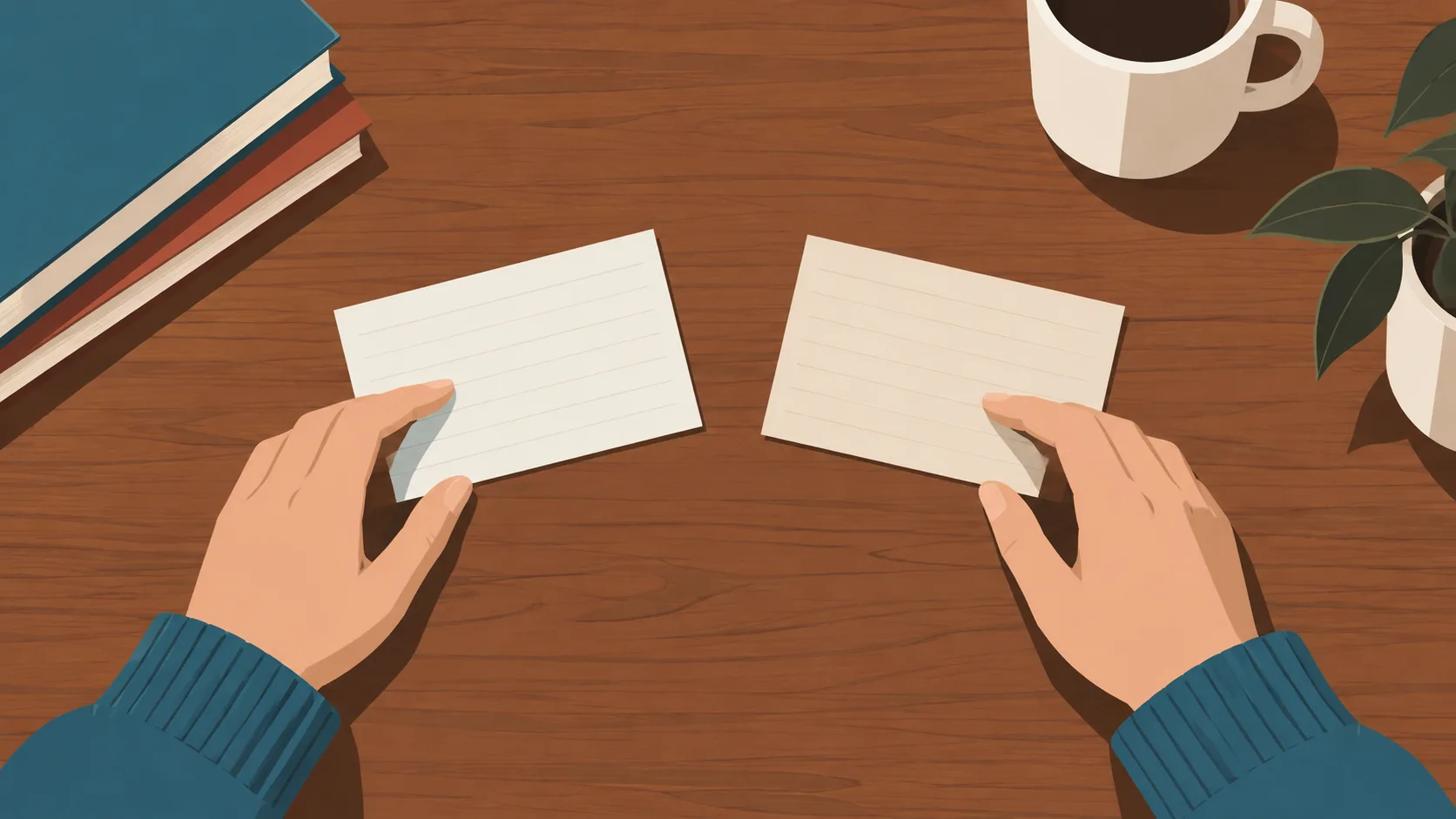
    Writer choosing between two novel ideas on index cards

    Choose one idea before you draft. Switching books halfway costs you every word already written. If you are torn, try freewriting or mind-mapping for a week and see which idea keeps pulling you back.

    Decide whether you will plan first or write freely. Neither is wrong, but the help you need differs: planners want outlines and grids, while discovery writers need a gentler way to plan as a pantser. Finally, hold off paying for editing, coaching or courses until a first draft exists. An editor cannot fix a book that is not yet on the page.

    Takeaway: one idea, one approach, no paid services until the draft is done.

    Step-by-Step: Getting The Right Help At Each Stage

    A handwritten reason-for-writing card beside a laptop

    Step 1: Name your reason for writing

    Write one sentence on a card: why this book, why now. To prove you can finish? To tell a family story? The Wordling’s guide puts “determine your why” first because a clear reason keeps you going on hard days.

    Check: the card sits where you write, and you can say the sentence aloud without hesitating.

    Step 2: Break the book into small parts

    Stop trying to hold the whole novel in your head. Novelist and editor Nathan Bransford advises in his guide to writing a novel that you break the book into manageable components: idea, main plot, perspective, obstacles, characters, setting, voice and climax. Jot a line or two for each.

    Check: you have a page with every component named, even if some lines are rough.

    Step 3: Download a plan and fill it in

    Use the one-page plan from the free kit, or follow the approach Goins Writer recommends of a one-page outline before drafting. The Center for Fiction suggests listing known plot events, characters and themes first. For more depth, read our guide on how to plot a novel step by step, or see how the seven basic plots can shape your outline. Then sketch chapters using the grid, and if you want a reusable version, learn how to build a chapter planning template.

    Check: you can see a beginning, middle and end on paper, and each planned chapter has a one-line purpose.

    Step 4: Set a small daily word goal and fixed time

    Pick a goal small enough to hit on a tired Tuesday. Goins Writer gives 300 words a day as an example. Penguin’s advice for busy writers is to schedule writing into whatever spare time you have, because a book is built word by word.

    Stage Best help Cost
    Planning Free kit, outline, structure guides Free
    Drafting Routine, daily goal, mini-deadlines Free
    Early revision Beta readers Varies
    Final revision Professional editor Varies by scope

    Check: you have hit your goal in at least four sessions in a row.

    Step 5: Plan your characters’ inner and outer journeys

    A character wants something on the outside and needs to change on the inside. Write both down. Some tools support this: ClearARC has a character planning view with a separate internal starting position and external goal, plus an arc tracker that plots the internal shift alongside external plot points. Pen and paper works too; draw two lines and mark where they cross.

    Check: for your protagonist you can state where they start inside, what they chase outside, and how they have changed by the end.

    Step 6: Learn from published authors and books for writers

    Books on craft are cheap, patient teachers. The Center for Fiction lists essential titles such as On Writing, The Elements of Style and The Writing Life. Start with one, perhaps alongside Stephen King’s writing routine and what novelists can learn from it. Matt Haig’s rules for BookTrust offer two worth pinning above your desk: write anything at first, and ignore discouragement.

    Check: you have one craft book on the go and have applied one idea from it to your draft.

    Step 7: Finish the draft, then find beta readers

    Keep going until the last chapter, rough as it is. The Wordling recommends mini-deadlines and touching the book daily through the messy middle. Only then hand the manuscript to two or three beta readers, ideally people who read your genre. Ask specific questions: where did you get bored, who did you not believe?

    Check: you have written “The End” and have notes back from at least two readers.

    Step 8: Revise, then consider a professional editor

    Revise using your readers’ notes first. Once the structure holds, a professional editor can catch what friends miss. This is the stage where paying for help makes sense. After that, read up on how to publish your book after finishing.

    Check: you have a revised draft that addresses the main reader notes before any editor sees it.

    Troubleshooting: When The Help You Have Is Not Working

    Novelist stuck mid-manuscript looking for a way forward

    Symptom: the middle stalls. Cause: the plan runs out after the opening act. Fix: set mini-deadlines for each remaining chapter and work out the next three scenes only. Our guide to novel story structure for your first book helps here.

    Symptom: you feel overwhelmed. Cause: you are thinking about the whole book at once. Fix: return to Step 2 and work on one component per session.

    Symptom: you rewrite chapter one again and again. Cause: perfectionism in a first draft. Curtis Brown Creative advises avoiding it at this stage. Fix: ban edits until the draft is finished. If you are truly stuck, see how to overcome writer’s block.

    Symptom: you read advice instead of writing. Cause: too many sources pulling in different directions. Fix: keep one craft book and one plan. Write first, read after.

    Symptom: you never find the time. Cause: waiting for a big free block that never comes. Fix: book short, regular slots in your diary and treat them as appointments, as Penguin’s advice suggests.

    FAQ: Frequently Asked Questions

    How can I get help with writing a book?

    Match help to your stage. Use a free plan or outline before drafting, a routine and small daily goals while drafting, then beta readers and a professional editor once the first draft is complete and revised.

    How does a beginner write a book?

    Choose one idea you love, break it into components, sketch a one-page plan, and write a small amount on a fixed schedule. Finish the rough draft before revising, then ask readers for honest feedback.

    What is the 5 finger rule for books?

    It is generally a reading-level check rather than a writing method, used to judge whether a book suits a reader. For novelists, it matters little; focus on planning, drafting and revising your own manuscript instead.

    What is the 2/3-1 rule in writing?

    Definitions vary between teachers, so treat it as one framework among many. For a first novel, a clear structure, a steady routine and honest reader feedback will help far more than any single numbered rule.

    Do I need to pay for help writing my first novel?

    No, not at the start. Free planning kits, library craft books and beta readers cover planning, drafting and early revision. Paid help, such as a professional editor, makes most sense once a revised draft exists.

    How long does it take to write a book?

    It depends on your daily goal, available time and how much you plan. Writing a small, steady amount on a fixed schedule matters more than speed, because a book is built word by word.

    Can I get help without using AI?

    Yes. Notebooks, printed plans, craft books, beta readers and editors are all human help. ClearARC is also a no AI writing tool for planning, plotting, writing and publishing a book in one app.

    Conclusion

    Pen resting on a manuscript by a window in morning light

    Help works best in order: a plan before the draft, a routine during it, readers and editors after it. Pick up a pen, choose one idea and book your first writing slot this week.