
Every story you have ever read, watched, or stayed up too late finishing traces back to one of a handful of master shapes. Christopher Booker spent thirty-four years mapping those shapes in his 2004 book, and the result is a framework that serious writers still argue about today. Understanding these seven plots is one of the clearest first steps you can take before chapter one. When you are ready to move from theory to draft, the ClearARC writing app is built to help you finish the book, one honest page at a time.
What Are the Seven Basic Plots and Where Do They Come From

The seven basic plots are archetypal story shapes identified by British journalist and author Christopher Booker in his 2004 book The Seven Basic Plots: Why We Tell Stories. They are patterns Booker traced across centuries of literature, myth, and film, arguing that beneath the surface of any narrative sits one of a small number of recurring structures.
In plain English: the seven plots are the master moulds that fiction keeps pouring itself into, whether the writer knows it or not. Sitting down to sketch a story with a clear structural spine is easier when you can name the mould.
Christopher Booker and the Book Behind the Framework
Booker worked on his 736-page study for thirty-four years, drawing on Jungian psychology to treat stories as expressions of psychological development rather than idle entertainment. His central thesis is bold: however many characters appear on the page, every story is really about one hero moving toward self-realisation, and every other character represents an aspect of that hero’s inner state. Writers who want the full argument in one place can find a plain-English tour of Booker’s ideas that trims the academic weight without losing the substance.
The Meta-Plot That Underlies All Seven
Beneath the seven plots sits what Booker calls the meta-plot, a five-stage shape visible across every type: anticipation (the hero is summoned), dream (early success and an illusion of invincibility), frustration (the enemy strikes back), nightmare (the climax, hope apparently lost), and resolution (triumph, often against the odds). This is why thinking in structural beats before you draft tends to save later heartbreak. Interestingly, Booker actually identifies nine plot types in the full text; the canonical seven exclude “Rebellion Against the One” and “Mystery,” which he treats as supplementary.
Takeaway: the seven plots are descriptive patterns, not a template. Knowing the meta-plot gives you a chapter-level scaffold that fits any of them.
The Seven Plots Explained One by One
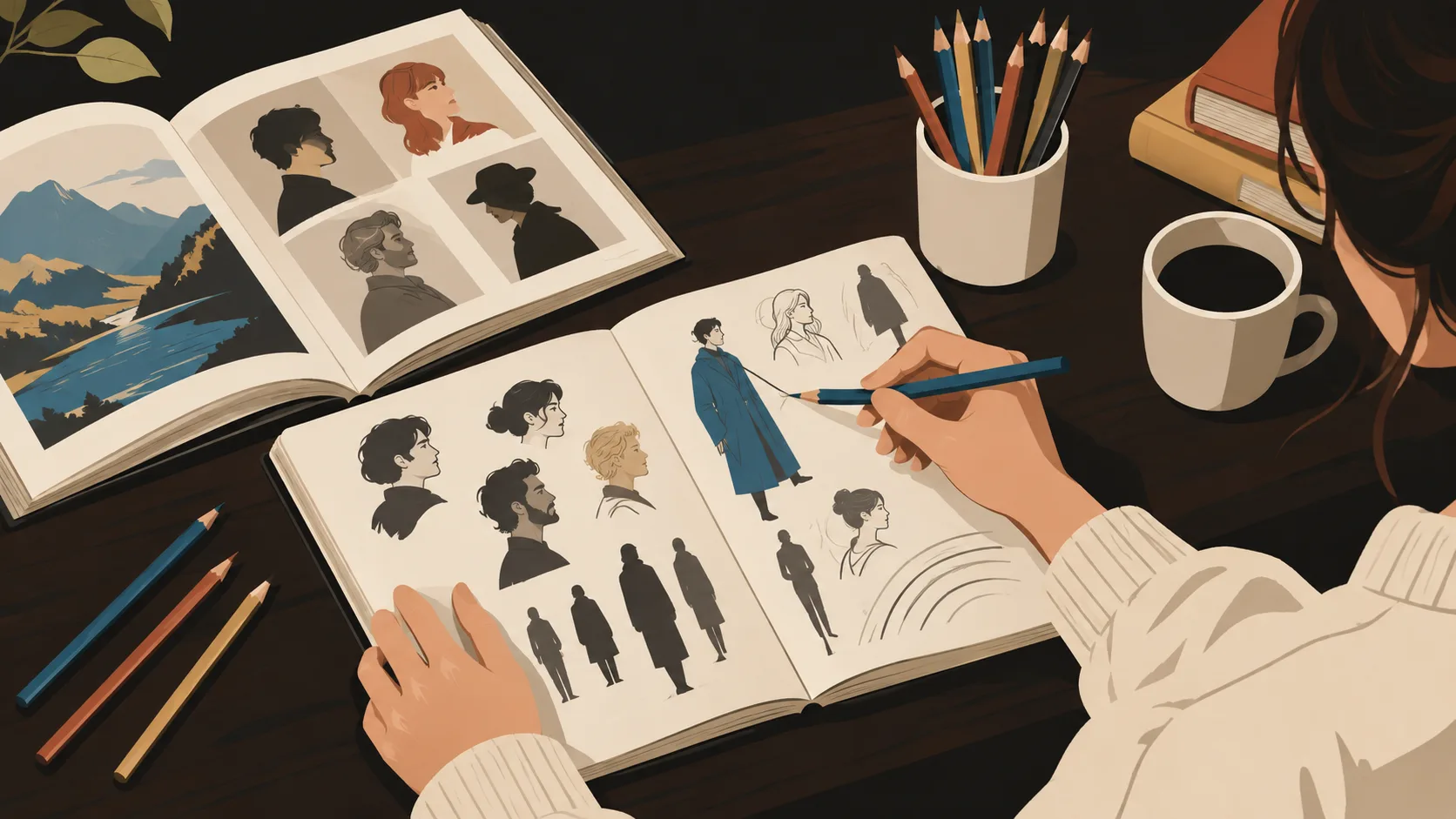
Here they are, one at a time, with the examples Booker leans on most and a quick note on the emotional shape each one asks for. Keep in mind that recognising your plot is a first step toward drafting protagonists readers actually follow.
Overcoming the Monster, Rags to Riches, and The Quest
- Overcoming the Monster. A protagonist confronts and defeats a threatening antagonistic force. Examples: Beowulf, Dracula, Jaws, Harry Potter, Star Wars: A New Hope. The monster can be literal or ideological, and the tension between hero and antagonist is what makes the shape sing.
- Rags to Riches. A poor protagonist rises, loses everything, and rises again, changed. Examples: Cinderella, Jane Eyre, Great Expectations. The second rise matters more than the first because the character has grown.
- The Quest. A hero and companions pursue a vital object or destination against mounting obstacles. Examples: The Lord of the Rings, The Iliad, Raiders of the Lost Ark. Companions are structurally essential; the supporting cast is the real engine of change in most quest stories.
Voyage and Return, Comedy, Tragedy, and Rebirth
- Voyage and Return. A protagonist travels to a strange land, faces its dangers, and comes home transformed. Examples: The Odyssey, Alice’s Adventures in Wonderland, The Hobbit. The return, not the arrival, is the point, and a well-placed twist inside the strange land keeps the middle from sagging.
- Comedy. Confusion, mistaken identity, and social tangles resolve into union, usually a marriage or reconciliation. Example: Pride and Prejudice. The shape depends on characters holding convictions strong enough to collide.
- Tragedy. A protagonist’s fatal flaw drives them, step by step, to an inevitable downfall. Examples: Macbeth, Anna Karenina. The flaw must be visible early, then tracked across a full character arc so the ending feels earned rather than punitive.
- Rebirth. A frozen, corrupted, or spiritually dead protagonist is thawed by an outside force. Examples: A Christmas Carol, Beauty and the Beast. The outside force is usually another character, which is why the bond that softens the hero deserves as much thought as the hero themselves.
Takeaway: the plot label tells you the emotional target of your ending. Comedy must reunite, Tragedy must fall, Rebirth must thaw.
How the Seven Plots Work in Practice for Your Manuscript
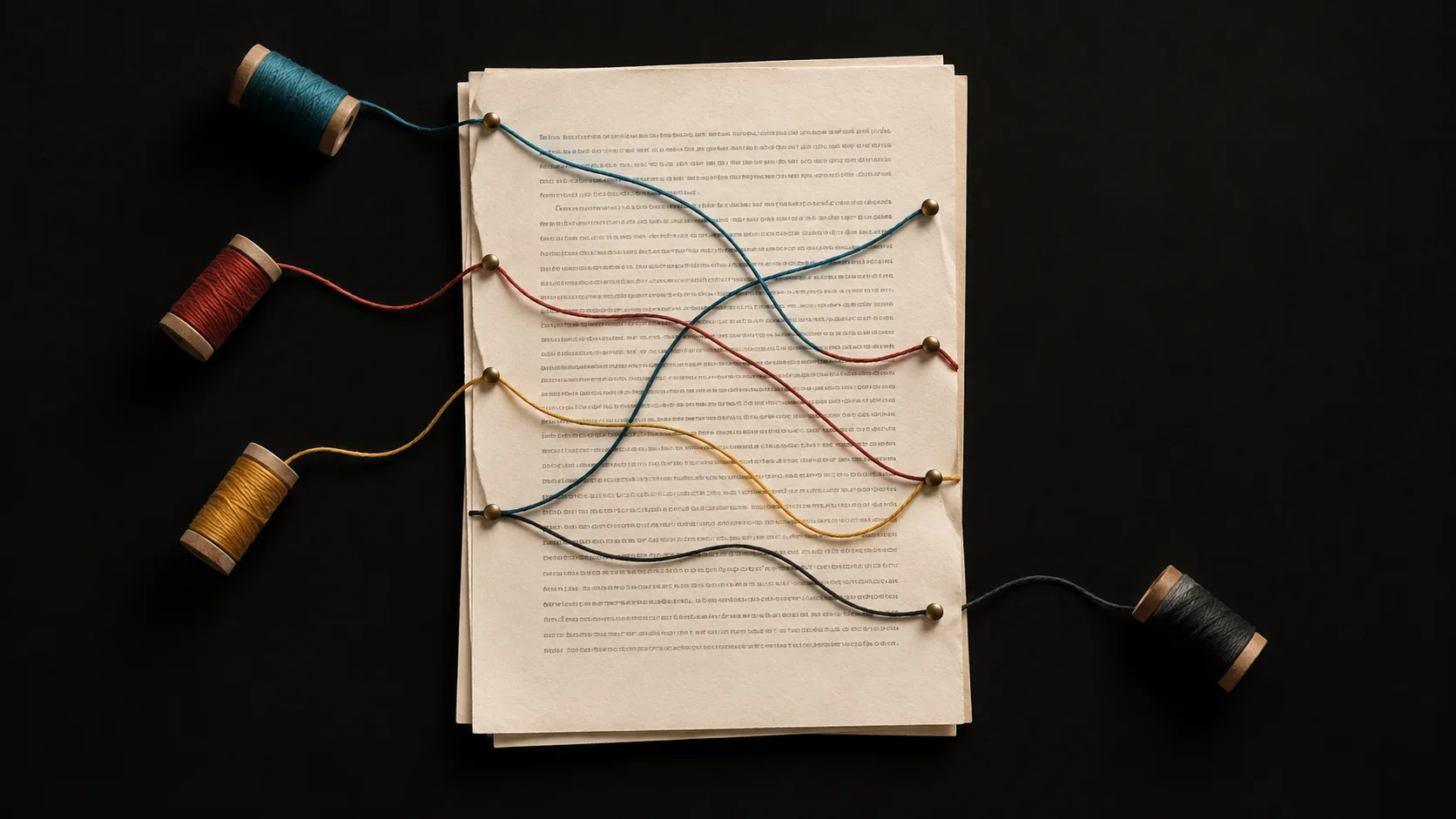
Most published novels do not sit inside one plot; they blend two or three. Jericho Writers, in its own primer on the framework, notes that no story will ever fit only one plotline, and that subplots and plots within plots layer complexity without contradicting the core arc. The practical trick is naming which plot carries the central emotional journey and letting the others sit underneath. A subplot that quietly tracks the main arc will strengthen the story; one that pulls in the opposite direction will just confuse readers.
Recognising Your Story’s Dominant Plot
To find the dominant shape, ask what your protagonist wants at the deepest level. If they want to defeat a threat, you are writing Overcoming the Monster. If they want to journey and return home changed, you are writing Voyage and Return. The five-stage meta-plot then maps directly onto your chapters, giving you concrete scaffolding for anticipation, dream, frustration, nightmare, and resolution. Writers who prefer a beat-by-beat approach often pair the meta-plot with a seven-point story structure for even tighter chapter-level control.
Mixing and Layering Plots Without Losing Focus
Knowing your plot type in advance also tells you which turning points are structurally required, which sharply reduces the risk of a sagging middle or an unearned ending. Consider that the monster in Overcoming the Monster need not be literal at all: Kathryn Stockett’s The Help uses racial prejudice, embodied in one character, as the monstrous force. The framework stretches easily across genre and literary fiction, and once you name your dominant plot you can layer a secondary romance or quest without losing the spine.
Takeaway: identify one dominant plot, then let subplots complicate rather than compete.
Common Misconceptions About the Seven Basic Plots
The framework attracts more misunderstanding than most story tools, partly because the number seven sounds prescriptive. It is not, and treating it as a diagnostic rather than a straitjacket is the difference between a useful tool and a creative dead end.
Misconception: The Framework Is Prescriptive / Reality: It Is Descriptive
Booker was cataloguing patterns he observed across centuries of literature, not writing a paint-by-numbers guide. The plots describe what stories tend to do, not what your story must do. Writers who plan deeply before drafting can use the categories as scaffolding; writers who draft by instinct can use them as a diagnostic once the first pass is on the page.
Misconception: Seven Plots Means Only Seven Stories / Reality: Execution Is Everything
Infinite variation exists inside each type because character, setting, voice, and theme are untouched by the structural label. Jaws and Beowulf are both Overcoming the Monster, and no reader would mistake one for the other. Naming the plot does not flatten the story; it clarifies its shape so the truly unforgettable stuff, the characters, can carry the weight.
Misconception: The Framework Only Applies to Genre Fiction / Reality: It Maps Literary Fiction Too
Anna Karenina is a Tragedy. Brideshead Revisited is a Voyage and Return. Booker draws on the full canon, and the shapes hold across literary and commercial writing alike. Critics, including some writing teachers featured on sites like How to Write a Book Now, warn that reductionist frameworks can make stories feel “all the same” if used carelessly. That is a fair caution, and thinking in three acts alongside the seven plots is one way to keep the framework practical rather than reductive.
Takeaway: the seven plots are a lens, not a law. Booker himself acknowledged supplementary types beyond the canonical seven.
Why Understanding Plot Archetypes Makes You a Better Writer

Plot archetypes earn their keep in two places: planning and revision. During planning they test whether your idea has enough inherent shape to sustain a full manuscript. During revision they help you check whether each structural beat is present and whether the emotional payoff is earned. Both moments benefit from a clear archetypal lens on your protagonist.
Using Archetypes as a Revision Diagnostic
Writers stuck at a midpoint crisis often find that naming their plot type reveals which nightmare-stage scene is missing or underdeveloped. If you are writing a Rebirth and there is no moment of frozen despair before the thaw, the ending will not land. If you are writing a Tragedy without a clear glimpse of the alternative life the flaw destroys, the fall will read as arbitrary. The tiny final action that closes a novel is almost always the archetypal resolution in miniature.
When to Reach for This Framework in Your Process
Reach for the seven plots when you are testing a premise, when you are stuck at the middle, and when you are preparing feedback. Writing coaches use these categories as shared vocabulary in manuscript notes, which makes revision conversations more specific and actionable. If your critique partner tells you the third act feels flat, “your Rebirth has no thawing agent” is a more useful diagnosis than “the ending needs work.” Writers who draft freely and shape later can still use the framework in revision without disturbing their process.
Takeaway: use the seven plots at the two moments when structure matters most, before you start and when something has gone wrong.
Frequently Asked Questions
Who invented the seven basic plots?
British journalist and cultural critic Christopher Booker developed the framework over thirty-four years of research and published it in 2004 as The Seven Basic Plots: Why We Tell Stories, a 736-page Jungian analysis of narrative across literature and film.
Are the seven basic plots the same as the hero’s journey?
No. Joseph Campbell’s hero’s journey is a single monomyth with roughly seventeen stages. Booker’s framework catalogues seven distinct plot shapes, though both draw on Jungian psychology and both see stories as maps of inner transformation.
Can a story use more than one of the seven basic plots?
Yes, and most novels do. One plot should carry the central emotional journey while others operate as subplots. Jericho Writers notes that no story fits only one plotline, and layering plots adds complexity without contradicting the core arc.
What is the most common of the seven basic plots?
Overcoming the Monster is arguably the most widespread, appearing in myth, thrillers, horror, action films, and children’s fiction alike. The Quest and Rags to Riches also recur frequently, particularly across fantasy, epic, and coming-of-age storytelling traditions.
Is the seven basic plots framework useful for writing short stories as well as novels?
Yes, though short stories often compress the meta-plot dramatically. Rebirth and Tragedy translate especially well to short form because their emotional arcs can resolve inside a single scene or turning point without losing power.
What are some criticisms of Christopher Booker’s seven basic plots theory?
Critics argue the framework is reductionist, can make stories feel interchangeable, and imposes Jungian readings on works that resist them. Many writing teachers recommend using it as a diagnostic tool rather than a creative rulebook.
How do I figure out which of the seven basic plots my story fits?
Ask what your protagonist wants at the deepest level and what shape the ending must take. If they must defeat a threat, it is Overcoming the Monster. If they must return home transformed, it is Voyage and Return.
Are there more than seven basic plots?
Booker himself identifies nine in the full text, adding Rebellion Against the One and Mystery as supplementary categories. Other theorists propose three, twenty, or thirty-six. The number matters less than whether the framework helps you finish.
Conclusion
The seven basic plots are not a formula, and they are not a prison. They are a shared vocabulary for the shapes stories keep taking, and once you can name your dominant plot, the middle of the book stops feeling like fog. Sketch your archetype on paper before chapter one, revisit it during revision, and let it guide the emotional target of your ending. When you are ready to move from theory to draft, the writing app built for finishers is there to help you reach the last page, one honest page at a time.