Tag: character development

  • What Are Archetypes for Characters in Fiction? Explained

    What Are Archetypes for Characters in Fiction? Explained

    Character archetypes are recurring character types, built from shared traits such as the Hero, Mentor, Innocent or Rebel, that readers recognise at once. Writers use them as a starting blueprint and then add specifics so the character feels individual. Most lists stop at labels.

    What is a character archetype?

    Stack of storybooks representing recurring character types in stories

    An archetype is a blueprint: a collection of personality traits that recurs across stories and can be shaped into a relatable character. Laterpress describes archetypes as recurring types that can be combined into familiar stories or deconstructed for commentary, and notes that Carl Jung called them a pervasive idea or image from the collective unconscious. BBC Maestro links them to basic human motivations shaped by history and culture.

    In plain language: an archetype is a familiar pattern of behaviour that readers spot straight away, before you add anything else.

    That familiarity is the point. Readers know the shape, so you spend fewer words explaining it and more words making it yours.

    Takeaway: treat an archetype as raw material, not a finished character. Pick one, then keep reading to shape it.

    How archetypes work: turning one into a character

    Bus driver cap and notebook suggesting an Everyman character being shaped

    A label alone gives you a cliche. A label plus a starting position, a goal and a change gives you a person. Here is the process with the Everyman. Jericho Writers lists the Everyman as relatable, with a lack of special skills.

    For the example, assume a contemporary novel set in a northern English town. The character is invented for this walkthrough.

    Step 1: Pick the archetype

    Choose the Everyman. Name the character: Dan, a 34-year-old bus driver. Write down the two core traits the archetype gives you: ordinary, relatable, no special skills. That is your floor, not your ceiling.

    Step 2: Give it a starting position

    Define where Dan stands inside. Example: Dan believes ordinary people never change anything, so he keeps his head down. This internal starting position is what the story will test. Keep the belief and the target as two separate notes so they never blur into one.

    Step 3: Set an external goal

    Give Dan something concrete to chase. Example: save his route from being cut by the council. The goal must be visible on the page. You should be able to tell, scene by scene, whether he is closer or further away.

    Step 4: Plot the shift

    Pick one plot point where the inner change shows. Example: at the public meeting in chapter 18, Dan stands up and speaks, the first time he acts as if ordinary people matter. Now his belief has moved. ClearARC‘s arc tracker plots a character’s internal shift alongside external plot points, which is exactly this pairing. If you want more depth, see how to write a character arc step by step.

    Notice what lifted Dan above cliche: not the archetype, but the specific belief, the specific goal and the specific scene. Study some character arc examples every novelist should study to see the same pattern in finished books.

    Takeaway: for your main character, write one line each for archetype, starting belief, goal and turning scene. Four lines. Then draft.

    The common archetypes at a glance

    There is no single official list. Different writers group archetypes differently, and the sets overlap.

    Jungian sets of twelve

    BBC Maestro lists twelve drawn from Jung’s work: Hero, Lover, Ruler, Wizard, Sage, Innocent, Rebel, Everyman, Explorer, Jester, Caregiver and Creator. Jericho Writers also works with twelve and attaches a strength and a flaw to each, such as the Hero’s courage and hubris.

    Smaller sets: Hero, Mentor, Everyman, Innocent, Villain

    Some guides keep it to five: the Hero, the Mentor, the Everyman, the Innocent and the Villain. Short sets are easier to hold in your head while drafting.

    Ensemble roles such as the Five Man Band

    For group casts, Laterpress describes the Five Man Band: the Leader, the Lancer, the Caregiver, the Tank and the Professor. These roles define how characters push against each other, which helps with characters as the real engine of change.

    Set Size Best use
    Jungian – Exploring motivation
    Short core set 5 Fast early planning
    Five Man Band 5 roles Ensemble casts

    Takeaway: choose one set and stay consistent for this book. Mixing systems mid-draft muddies your notes.

    Why archetypes matter for writers

    Writer's hands sketching a character profile in a notebook

    Three practical uses stand out.

    1. Instant recognition. BBC Maestro argues that familiar types help readers relate and follow events without the story feeling predictable.
    2. Contrast between characters. Laterpress frames archetypes as building blocks that play off each other. Put a Rebel beside a Ruler and conflict arrives on its own.
    3. Avoiding sameness across books. Novelist Jennifer Ellis writes that she studied female archetypes to keep her characters distinct across novels. If you write a series, this is worth copying.

    Lists also give you a vocabulary. Jill Williamson’s list includes types such as the Analyst, who explains everything rationally, and the Anti-hero. Naming a type helps you spot when two characters are doing the same job. For more on depth, read about developing compelling characters and why your major characters need strong beliefs.

    Takeaway: list your main cast with one archetype each. If two share a type, change one.

    Common misconceptions about archetypes

    Misconception: Archetypes are just cliches / Reality: they become cliche only when left generic

    One view on Reddit’s writing forum puts it bluntly: archetypes are literally cliches. That is true of a bare label. Fix: add a specific belief and a specific goal, as in the Dan example.

    Misconception: Every character must fit one / Reality: good characters are multi-faceted

    Jennifer Ellis says good characters should be truly multi-faceted rather than simply conform to an archetype. Fix: use the archetype for the first draft, then let scenes add contradictions.

    Misconception: Archetypes are fixed to gender / Reality: they describe traits

    Laterpress notes archetypes describe a role and set of characteristics, not identity. Ellis also maps each female archetype to a rough male counterpart. Fix: assign by trait, not by gender.

    Misconception: You must use them / Reality: they are one tool

    Plenty of writers never name an archetype. Fix: reach for one only when a character feels vague. Try the three filters every character sees through as another route in.

    Takeaway: keep the archetype as a draft label, and be willing to break it.

    Related concepts

    Two footpaths diverging, symbolising a character's starting point and arc

    Character arc

    The inner change a character goes through across the story. Archetype is where they start; the arc is where they go. A flat character arc is the version where the hero holds steady and changes others.

    Stock character

    A character built on an archetype and little else, with no depth. Laterpress notes they are common in comedy and satire.

    Trope

    A recurring story device or situation, such as the chosen one. Archetypes are people; tropes are patterns of events.

    Want and need

    The want is the external goal; the need is the internal truth the character must face. Explore the gap between want and need.

    Protagonist and antagonist

    The protagonist drives the story; the antagonist opposes them. Either can be any archetype.

    How to get started

    1. Pick one archetype per main character. Write it on paper next to their name.
    2. Write the starting belief and the goal. One sentence each. Keep them separate.
    3. Sketch the arc. Choose the scene where the belief moves. Tie it to a structure, such as the seven major plots.
    4. Choose your kit. The free First-Novel Finisher’s Kit needs only pen and paper and includes a one-page plan, a chapter-planning grid and a seven-plots cheat sheet. It is a tool, not a teacher; the blog covers the learning.

    Takeaway: do step 1 today for your protagonist. Ten minutes.

    FAQ: Frequently Asked Questions

    What are the 12 character archetypes?

    The common Jungian twelve are Hero, Lover, Ruler, Wizard, Sage, Innocent, Rebel, Everyman, Explorer, Jester, Caregiver and Creator, as listed by BBC Maestro. Other writers group them differently, so treat the list as flexible.

    Who came up with archetypes?

    The idea is usually traced to psychologist Carl Jung, who linked archetypes to the collective unconscious and basic human motivations. Storytellers used recurring types long before, but Jung gave writers the vocabulary most lists use today.

    Are archetypes the same as stereotypes?

    No. A stereotype is a reductive take based on identity. An archetype describes a role or set of traits and is deliberately vague, so you add the detail. Stereotyped characters rarely develop; archetypes can.

    Can a character have more than one archetype?

    Yes. Good characters are multi-faceted, and plenty blend two types, such as a Caregiver with a Rebel streak. Start with one dominant archetype for clarity, then let the second show through choices under pressure.

    Do I need archetypes to write a novel?

    No. They are one planning tool among many. If your characters already feel distinct and alive on the page, skip them. Reach for archetypes when a character feels vague or two characters overlap.

    How do archetypes relate to a character arc?

    The archetype sets the starting shape; the arc is the change from there. Plot the internal shift against specific plot points so the reader sees the change happen in a scene, not in summary.

    What are the archetypes of female characters?

    Several writers publish female archetype lists. Jennifer Ellis groups nine, including the Amazon or Crusader and the Nurturer, each with a rough male counterpart. They describe traits, so use them as prompts, not rules.

    Conclusion

    An archetype gets you to the starting line. A belief, a goal and one turning scene get you to a character readers remember. Write those four lines for your protagonist, then open your draft and write the next chapter. If you want the planning view and arc tracker in one place, try ClearARC. Either way, keep your own words at the centre.


  • How To Write A Character Arc: A Step-By-Step Guide

    How To Write A Character Arc: A Step-By-Step Guide

    To write a character arc, define where your character starts inside (a flaw or false belief) and what they want outside. Then plan a pressure sequence of events that forces a choice, and end with a changed (or unchanged) character shown through action. Planning it in ClearARC is one option; pen and paper works too.

    What You’ll Need

    Fountain pen resting on a blank page ready for a protagonist's name1. A protagonist idea. A name, a job, one thing they care about. That is enough.

    1. A rough premise. One or two sentences on what happens in the book.
    2. Pen and paper, or a planning app. The free First-Novel Finisher’s Kit needs only pen and paper. It contains a one-page plan, a chapter-planning grid, a seven-plots cheat sheet and a series of emails.
    3. Beginner level. No craft theory required. If this is your first novel, you are exactly who this is for.

    Next step: write your protagonist’s name at the top of a clean page.

    Before You Start

    Decide your arc type first, because it shapes every step after it. K.M. Weiland’s approach, summarised by Helping Writers Become Authors, describes three primary types:

    Arc type What happens inside the character Typical ending
    Positive Lets go of a false belief Better self, often a better world
    Negative Clings to the belief or swaps it for a worse one Worse self, often a worse world
    Flat Already holds the truth Changes the world around them

    If you are unsure what the term covers, read what a character arc is before going further. Darker stories need the negative character arc explained, because the steps below bend the other way.

    Pick one protagonist. Plan other characters later, once the main spine holds. Next step: circle positive, negative or flat on your page.

    Step-By-Step: Build the Arc

    Ferry captain at the wheel on a Scottish island crossingThroughout, we will use one running example. Example: Maggie, a ferry captain on a Scottish island, who believes that asking for help makes her weak. Her island’s ferry service is about to be cut.

    1. Write the starting position and the goal separately

    Draw two columns. Label the left one Inside: where they start and the right one Outside: what they want. Fill in one line each.

    Keeping these apart is the point. The tool holds your plan; it does not write the sentences for you.

    For Maggie: Inside, she trusts nobody but herself. Outside, she wants to save the ferry.

    Check: Read the two lines aloud. If one could be swapped for the other, rewrite them until one is a belief and the other is an objective you could photograph.

    2. Name the lie or false belief

    Write the belief that holds your character back, as a sentence they would say. Many guides start with the ghost: the past wound that taught them the lie. Write that underneath. Our guide to the lie your character tells themselves goes deeper.

    For Maggie: “If I need people, I lose.” Ghost: her father’s business collapsed after he trusted the wrong partner.

    Check: The lie should cause trouble in at least one scene you can already picture. If it causes none, it is too mild.

    3. Set the want against the need

    The want is the outside goal from step 1. The need is the truth that cures the lie. They should pull in different directions. See the gap between want and need for more on this tension.

    For Maggie: she wants to save the ferry alone. She needs to accept help from the islanders she has kept at arm’s length.

    Check: Ask, “Can they get the want without facing the need?” The answer should be no, or not for long.

    4. Plan the first pressure event

    Write the event that knocks your character’s ordinary life over and puts the want in reach. The eight-step structure set out by writer Katie Cooney opens with strength, weakness and need in the setup, then desire after the disruption. Use that order.

    For Maggie: the council announces the route closes in three months.

    Check: The event should force your character to act, and they should act in line with the lie.

    5. Build the midpoint shift

    Halfway through, give your character a glimpse of the truth. They try the new way, even briefly, and it half works. If you want this beat pinned to a structure, seven-point story structure places it neatly.

    For Maggie: a petition she reluctantly lets the school run gathers more support than her solo campaign.

    Check: Something in the character’s behaviour should differ from step 4. If they act the same, the middle will sag.

    6. Force the low point

    Take everything away, and make the lie the reason it went wrong. This is where the old belief costs the most.

    For Maggie: she grabs back control, alienates her allies, and the council vote goes against her.

    Check: Point to the decision that caused the collapse. It should trace back to the lie from step 2.

    7. Write the choice that proves change

    Plan one action, not a speech, where the character picks the need over the lie. Readers believe what characters do.

    For Maggie: she knocks on doors and asks for help in person, the one thing she swore she would never do.

    Check: Cover the dialogue. Could a reader still see the change from the action alone? If yes, it works.

    8. Check the ending against the start

    Put your final scene next to your step 1 columns. The inside column should now read differently (positive or negative arc) or the world around them should (flat arc).

    Check: Write one sentence: “They began believing X and ended believing Y.” If you cannot finish it, return to step 6.

    Next step: copy your eight answers onto one page and pin it above your desk.

    Troubleshooting Your Arc

    Notebook page with an underlined sentence beside a cup of tea– Symptom: The change feels sudden. Cause: No midpoint glimpse of the truth. Fix: Add a scene in step 5 where the new way half works.


    • Symptom: The middle sags. Cause: The character repeats the same tactic. Fix: Make each attempt cost more and change one behaviour each time.
    • Symptom: The character feels flat (unintentionally). Cause: The lie is vague. Fix: Rewrite it as a sentence they would say out loud.
    • Symptom: The plot ignores the flaw. Cause: Events were planned before the lie. Fix: Rework the low point so the lie directly causes it.
    • Symptom: Side characters do not push. Cause: They have no stake in the protagonist’s belief. Fix: Give one ally a view that challenges the lie. If they keep fading out, read about the disappearing side character problem.

    Next step: pick the one symptom that sounds most familiar and fix that first.

    FAQ: Frequently Asked Questions

    How do you create a good character arc?

    Start with a clear false belief and a separate outside goal. Then plan events that make the belief costly, a midpoint glimpse of the truth, a low point, and one action that proves the change.

    What are the three types of character arc?

    Positive, negative and flat. In a positive arc the character overcomes a false belief. In a negative arc they decline. In a flat arc they already hold the truth and change the world instead.

    What is a contagonist?

    A contagonist is a character or force that works against the protagonist’s goal without being the main villain. They often tempt or mislead, pulling the hero towards their lie rather than attacking them directly.

    What are the key elements of a story?

    Most writers list character, setting, plot, conflict, theme, point of view and tone. For arc planning, conflict and character matter most, because conflict is what pressures the character into changing or refusing to.

    How long should a character arc take?

    A protagonist’s arc usually spans the full book, from the opening chapters to the final scenes. Shorter arcs suit side characters or subplots. Match the length to how deep the false belief runs.

    Does every character need an arc?

    No. Your protagonist needs one, positive, negative or flat. Major supporting characters benefit from small arcs. Minor characters can stay fixed, which helps readers notice who is actually changing in your story.

    Conclusion

    The sequence is short: separate inside from outside, name the lie, set want against need, then plan pressure, a midpoint, a low point and a proving choice. Check the end against the start. Once the arc holds, move on to writing a book step by step.

    ClearARC, made by Quentin Pain, is a no AI app to plan, plot, write and publish your book, with your characters’ inside and outside kept in separate columns. Your next action: fill in step 1 tonight, before the muse wanders off.

  • Negative Character Arc Explained: The Corruption Arc

    Negative Character Arc Explained: The Corruption Arc

    A negative character arc is a change for the worse: the protagonist starts with a belief or denial, never confronts it, and is damaged or destroyed by it, as with Anakin Skywalker or Dorian Gray. The corruption arc is the version where the character is gradually pulled into that fall. Most guides stop at the definition. This one walks a fall through five beats you can plan before chapter one, the same way ClearARC keeps belief and goal side by side.

    Definition: what a negative character arc is

    Notebook with a line of writing beside tea, representing defining a character's lie

    A character arc is the shape of the inner journey a character takes across the story. In a negative arc, the character ends the novel worse than they began. They reject the truth in favour of a lie, never overcome the lie they started with, or discover something even worse, and that choice leads to their downfall.

    In plain language: your character believes something false, keeps believing it, and it ruins them.

    Set it beside the other two shapes. In a positive arc the character lets go of the lie and grows. In a steadfast arc the character already holds a truth and changes the world around them instead. The negative arc is the one where the lie wins. If you want the groundwork first, read our character arc basics.

    Next step: write one sentence naming the lie your character starts with.

    How a corruption arc works, step by step

    Schoolteacher's hands on a worn register, showing a character drawn into compromise

    A corruption arc runs on two tracks. The internal track is what the character believes. The external track is what they want to get done. The fall happens when chasing the goal keeps feeding the belief. Kingdom Pen’s guide to character arcs frames the negative arc as a character grappling with a Lie, and names Anakin Skywalker as a classic case.

    Anakin shows the pattern clearly. He wants to stop the people he loves from dying. He believes he can control that outcome if he gains enough power. Each step towards the goal costs him a little more of himself, until the cost is everything.

    A worked example: five beats of a fall

    Example: imagine a novel about Ruth, a village schoolteacher in 1950s Yorkshire. Assume she is the protagonist, the story is told mostly from her point of view, and the book ends with her alone.

    1. Internal starting position. Ruth believes that respect must be earned by being needed. If nobody depends on her, she is nothing.
    2. External goal. She wants to keep the village school open when the county threatens to close it.
    3. First compromise. She inflates the attendance register by two names. Small. Defensible. It works, and the belief gets stronger.
    4. Point of no return. An inspector spots the gap. Ruth blames a young colleague, who is dismissed. She could confess here. She does not.
    5. Final cost. The school survives, but the village learns the truth. Ruth keeps the building and loses every person who once needed her.

    Notice how each beat ties back to beat one. The goal never changes; the belief simply grows teeth. Keeping the internal start and the external goal on separate lines makes this easier to see, which is why a planning view that holds them apart helps.

    Takeaway: write the final cost first, then work backwards to the first compromise.

    Why negative arcs matter for your novel

    A negative arc earns its place when the story is about consequence. Three uses come up again and again.

    • Tragedy. Dorian Gray trades his soul for youth, and the novel is the bill arriving. Clovis Editorial describes negative arcs as all about self-destruction.
    • The villain-protagonist. Magneto is a strong example: a reader can follow his reasoning while dreading where it goes.
    • The cautionary tale. Anakin’s fall warns against fear dressed as love. Readers recognise the temptation, which is what makes it sting.

    There is also a neighbouring route. In a disillusionment arc, the character learns a painful truth that shatters their beliefs. They see clearly, but seeing hurts. It can sit close to a fall without being one.

    For more cases worth studying, see our character arc examples for novelists.

    Next step: decide which of the three uses your book is closest to.

    Common misconceptions about negative arcs

    Misconception: a negative arc means a villain / Reality: protagonists can fall

    Anakin and Dorian Gray are both protagonists. The fall belongs to the person we follow. Takeaway: keep your fallen lead at the centre of the story.

    Misconception: the character must be unlikeable / Reality: readers follow the temptation

    Readers stay because the first compromise looks reasonable. Ruth’s two fake names feel almost kind. Takeaway: make beat three something a decent person might do.

    Misconception: every character needs an arc / Reality: often only the protagonist changes

    Clovis Editorial notes that often only the protagonist goes through a dramatic change. Supporting characters can push, though; see why other characters are the real engine of change. Takeaway: give one character the fall, and let others apply pressure.

    Misconception: it is just a positive arc backwards / Reality: the Lie wins

    A negative arc is not growth run in reverse. It is the same lie meeting the same chances to let go, and refusing each time. Takeaway: build moments where the truth is offered and turned down.

    Related concepts

    Positive arc

    The character starts with a lie, confronts it through internal and external conflict, and ends changed for the better. Clovis Editorial calls it the most common arc in novels.

    Steadfast arc

    The character holds a truth from the start and keeps it, changing the world rather than themselves. It is sometimes called a flat arc.

    Disillusionment arc

    A character realises a painful truth that breaks what they believed. Helping Writers Become Authors explores this in its piece on the disillusionment arc.

    The Lie

    The false belief at the heart of an arc. In a fall, it is never surrendered. See our piece on the lie your character tells themselves.

    Want versus need

    The want is the external goal; the need is the inner change they should make. A corruption arc widens the gap between want and need until it swallows them.

    Next step: label your character’s want and need on one line each.

    How to get started

    Blank paper with three pencil lines, representing starting a character arc plan

    You do not need a big plan. You need three lines on paper.

    1. Write the starting belief. One sentence, in the character’s own voice. “If nobody needs me, I am nothing.” Strong beliefs drive strong falls; read why your major characters need strong beliefs.
    2. Pick one external goal. Concrete and visible. Keep the school open. Win the seat. Save the farm.
    3. Plan the fall in a grid. Put the five beats against your chapters so you know roughly where the first compromise and the point of no return land. Our guide on how to build a character arc template for your novel shows the method.

    If you prefer paper, the free First-Novel Finisher’s Kit needs only pen and paper and includes a one-page plan, a chapter-planning grid, a seven-plots cheat sheet and a series of emails.

    Next step: fill in beat one and beat five tonight, then stop.

    FAQ: Frequently Asked Questions

    What is a negative character arc?

    It is a change for the worse. The character starts with a lie or denial, never overcomes it, and is damaged or destroyed by it. Anakin Skywalker and Dorian Gray are the classic examples.

    What are some good character arcs?

    Bilbo Baggins grows into courage in a positive arc. Katniss Everdeen holds her truth in a steadfast arc. Anakin Skywalker, Magneto and Dorian Gray show how a negative arc can be just as memorable.

    What are the three types of character arc?

    Positive, steadfast and negative. A positive arc changes the character for the better, a steadfast arc keeps them true while the world changes, and a negative arc changes them for the worse.

    What is the difference between a corruption arc and a disillusionment arc?

    In a corruption arc the character clings to a lie and falls because of it. In a disillusionment arc the character learns a painful truth that shatters their beliefs. One refuses the truth; the other is broken by it.

    Does a negative arc need a villain?

    No. The fall comes from the character’s own lie. An antagonist can add pressure, but the protagonist does the damage. Often the fallen protagonist becomes the story’s real threat by the end.

    Can a negative arc still have a satisfying ending?

    Yes. Satisfaction comes from inevitability, not happiness. If every beat traces back to the starting belief, readers feel the ending was earned, even when the character loses everything they wanted to keep.

    How do I plan a fall arc in a first novel?

    Write the starting belief, pick one external goal, then map five beats: belief, goal, first compromise, point of no return, final cost. Write the final cost first and work backwards to the start.

    Conclusion

    A negative arc is simple at its core: the lie wins. Give your character a belief worth defending, a goal worth chasing, and a chance to turn back that they refuse. Plan the five beats, then go and write the chapters. ClearARC is a no AI app to plan, plot, write and publish a book, made by Quentin Pain. It holds your plan; the sentences stay yours.

  • Character Arc Examples Every Novelist Should Study

    Character Arc Examples Every Novelist Should Study

    A character arc is the movement of a character from one inner state to another, such as Walter White’s slide from mild-mannered teacher to ruthless kingpin. Positive, negative and flat arcs are the common types, and you plan one by setting an inner starting position and an outer goal. That second part is where most drafts have an issue. Below, each example is broken down so you can copy the shape. ClearARC builds its character planning arcs around that split and any others you need to add.

    Definition: what a character arc is

    Reader's hand marking a page in a novel, suggesting a character's inner journeyA character arc traces the shift in a character’s beliefs and worldview from the first page to the last. According to Alan Watt’s guide to character arcs, it is the inner journey that dramatises growth, such as from fear to love or from innocence to wisdom.

    an arc is who your character is inside at the start, compared with who they are at the end

    Why bother? Because readers stop caring without it. A clever plot cannot carry people who feel nothing for the person living in it. If you want a refresher before going further, start with our character arc basics.

    Next step: write one sentence describing your protagonist’s inner state on page one.

    Character arc examples at a glance

    Here are four named examples, each reduced to the two things you actually need: where they start and which way they move.

    CharacterArc typeStarting stateDirection of change
    Walter White (Breaking Bad)Negative changeMild-mannered teacher providing for his familyDescends into ruthless kingpin; “for his family” becomes a justification
    Sherlock HolmesFlatSteady, fixed belief systemStays the same; the world around him shifts
    Gandalf (The Lord of the Rings)FlatWisdom personifiedStays the same (ready to fix the world again even if only in spirit)

    Positive change arc

    The character becomes a better person. They overcome a deep-rooted lie or emotional wound. Fulton Books calls this the most popular change arc, found across genres, with Scrooge and Elizabeth Bennet as examples. Takeaway: name the wound first, then the growth.

    Negative change arc

    Editorial illustration for Negative change arcThe character takes a darker turn, often choosing wants over needs and missing the chance to return. Walter White is the textbook case. Takeaway: give your falling character a clear exit they refuse to take.
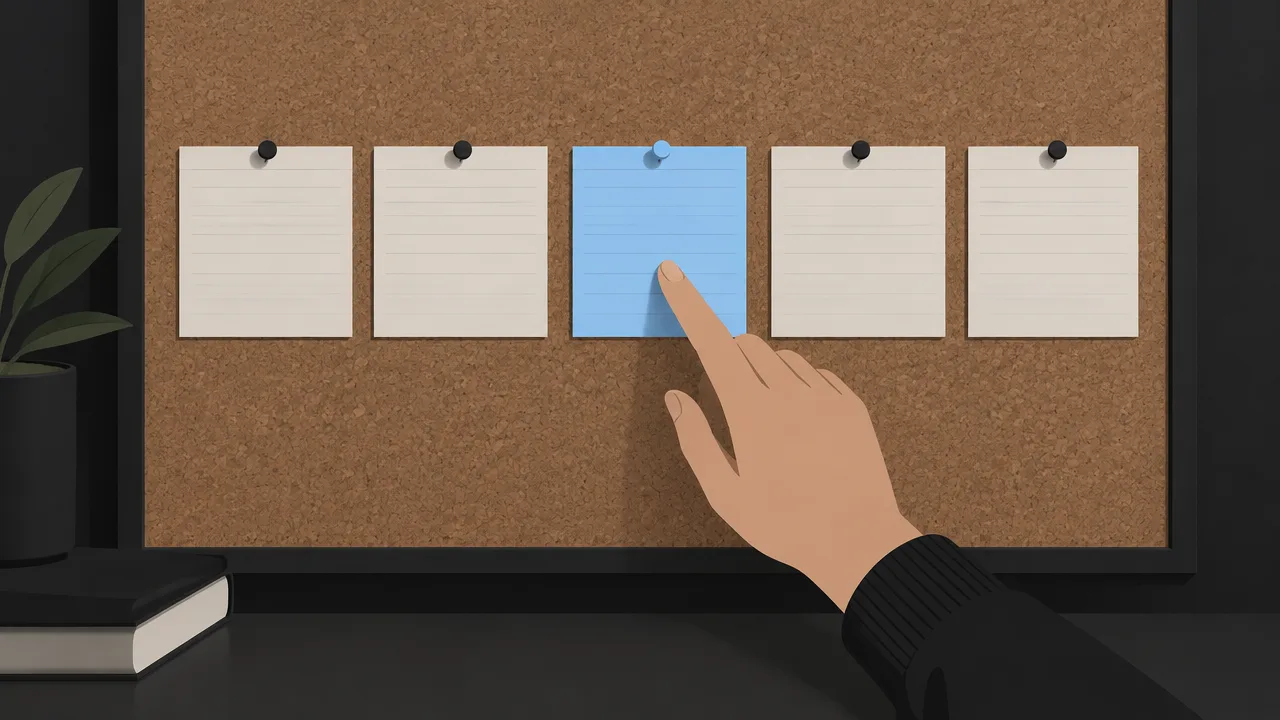
    Flat arc

    The character keeps the same belief system throughout. Instead of changing, they grow more into themselves, and often their steadiness shapes the people around them. Takeaway: if your hero holds firm, make sure someone else bends.

    How a character arc works, step by step

    Index cards pinned to a corkboard for planning a character's arcEvery change arc runs on the same five parts. Get these on paper before chapter one.

    1. Inner starting belief. What does your character believe about themselves or the world?
    2. Outer goal. What do they want in the plot? Keep it concrete and visible.
    3. Pressure. The story arc pushes from outside, creating obstacles that test the belief.
    4. Turning point. The moment the belief cracks, or hardens.
    5. End state. The new inner position, measured against step one.

    Worked example: Walter White

    • Starting belief: he is doing this to provide for his family.
    • Outer goal: make money from drugs.
    • Pressure: the drug underworld keeps raising the stakes.
    • Turning point: “for his family” stops being a sacrifice and becomes a justification.
    • End state: ruthless kingpin, deeper motives revealed.

    Notice the trick. His stated reason stays the same while its meaning flips. That tension between what he says he wants and what drives him is the gap between want and need, and it does most of the work.

    If your plot beats need sorting too, see how to plot a novel step by step.

    Next step: fill in all five parts for your lead, even roughly.

    Why character arcs matter to your novel

    Three practical reasons, none of them theoretical.

    1. Reader investment. Alan Watt notes that audiences did not root for Walter White because he was a brilliant chemist; they stayed for his gradual descent. Change keeps pages turning.
    2. Genre expectations. Fulton Books points out that familiar arcs tie into book tropes and suit particular genres. A romance reader expects growth; a crime series reader may expect a steady detective.
    3. A coherent long draft. A full novel is a long walk. A clear arc tells you what each chapter is for, and helps when the middle starts to lag. Our guide to finishing your novel when you feel like quitting picks up from there.

    Strong arcs also rest on strong convictions, which is why your major characters need strong beliefs.

    Next step: decide which genre expectation your arc meets, or deliberately breaks.

    Common misconceptions about character arcs

    Magnifying glass on a desk evoking a steady, unchanging fictional detective

    Misconception: every character must change

    Reality: Sherlock Holmes and Paddington Bear are often named as flat-arc characters. They do not change much, and nobody complains.

    Misconception: a flat arc means a flat character

    Reality: a flat arc is about belief, not personality. Holmes is anything but dull. He simply holds his worldview while others react to him.

    Misconception: arcs are only for protagonists

    Reality: supporting figures can be revealed through dialogue and backstory too. Side characters with their own pressure feel alive; those without tend to vanish, the disappearing side character problem in action. Often other characters are the real engine of change.

    Misconception: the arc is the plot

    Reality: the plot happens outside the character; the arc happens inside. They run together but they are not the same thing. Keep them in separate columns when you plan, as covered in narrative story structure explained.

    Next step: pick one supporting character and give them a belief worth testing.

    Related concepts

    Want versus need

    The want is the outer goal; the need is the inner change the character must make. Drama lives in the space between them.

    The Lie

    In a positive change arc, the character overcomes a limited, Lie-based view and gains a broader Truth-based one. More on the lie your character tells themselves.

    Change arc

    An arc where the character shifts dramatically in beliefs, personality or goals, either for better or worse.

    Flat arc

    Also called a steadfast arc. The character’s beliefs hold firm while the world around them changes.

    Character archetype

    A familiar, recurring pattern readers recognise. Fulton Books treats change and flat arcs as popular archetypes tied to genre tropes.

    Next step: write your protagonist’s Lie in one line.

    How to get started with your own character arc

    Keep the planning light. Just enough to keep you moving.

    1. Write two lines per character: inner starting position, external goal. Nothing more yet.
    2. Pick an arc type: positive, negative or flat. Pencil it in; you can change it.
    3. Grab pen and paper. The free First-Novel Finisher’s Kit needs nothing else. It includes a one-page plan, a chapter-planning grid, a seven-plots cheat sheet and a series of emails.
    4. Move it into a tool if you like. ClearARC holds your plan but does not write the sentences. That part stays yours. For outlining options, see novel outline formats for first-time fiction writers.

    FAQ: Frequently Asked Questions

    What are the different types of character arcs?

    The common types are the positive change arc, where a character grows, the negative change arc, where they fall, and the flat arc, where their beliefs hold steady while the world around them changes.

    What kinds of arcs are there?

    Broadly, change arcs and flat arcs. Change arcs split into positive (growth) and negative (fall). Flat arcs, also called steadfast arcs, keep the character’s belief system intact from start to finish.

    What are the 9 types of characters in a story?

    Lists of character types vary between writing teachers, so the number depends on who you ask. Most cover a protagonist, an antagonist and supporting roles. Focus on what each character believes and wants.

    What is an example of a flat character arc?

    Sherlock Holmes is a classic example. Gandalf in The Lord of the Rings, Jack Reacher and Diana in Wonder Woman are also often cited. Each keeps their convictions while others change around them.

    Does every character need an arc?

    No. Your protagonist usually needs a clear arc, but supporting characters can stay much the same. A steady side character can even help show how far your lead has moved.

    How do I plan a character arc before writing?

    Write down each character’s inner starting position and external goal, then pick an arc type. Add the pressure and a turning point. Five lines on paper is enough to start drafting.

    Conclusion

    Study the examples, then steal the shape. Inner start, outer goal, pressure, turning point, end state. That is the arc, and it fits on an index card. Walter White and Gandalf move in opposite ways, yet both are built on a clear starting belief. Do that for your characters this week, then get back to the draft. ClearARC, made by Quentin Pain, is a no AI writing app for planning, writing and publishing a book, with a character view built around that split.