
Understanding story writing structure is the first real step toward finishing a novel that works. Every book readers love, from quiet literary fiction to page-turning thrillers, rests on a recognizable architecture: a disruption, a journey, a climax, a resolution. ClearARC exists to help writers map that architecture before a single chapter goes sideways. This guide breaks down what structure is, why it matters, and how to choose the right framework for your book.
What Story Writing Structure Actually Means
 Structure is the shape you give a story so a reader can follow it without getting lost. It’s the invisible skeleton beneath the scenes, the reason a chapter ends where it does and a revelation lands when it lands. Without it, even beautiful prose drifts. With it, a modest premise can carry four hundred pages.
A Working Definition
According to Wikipedia’s overview of narrative structure, story structure is the recognizable order in which a narrative’s different elements are unified and presented to the reader. Most Western stories share five core elements: exposition, rising action, climax, falling action, and resolution. Research cited in that same overview suggests structure influences how the brain organizes information, which is why a well-shaped story feels easier to hold in mind, and why a character worth following from page one tends to anchor the whole architecture.
Structure vs. Plot: The Key Difference
Plot is what happens. Structure is the sequence and shape in which those events are delivered. A murder solved chronologically is a different book than the same murder revealed backward, even though the plot beats are identical. Even loose, character-driven literary fiction has structure; it simply wears it more quietly than a thriller. The takeaway: if your draft feels shapeless, the fix is usually structural, not sentence-level, and you can often trace it to a weak character arc underneath.
The Core Story Structures Every Novelist Should Know
There is no single correct framework. Reedsy identifies at least seven distinct story structures that working novelists actively use, and most of them overlap in useful ways. Learning two or three well is more practical than collecting all of them.
Three-Act Structure
The three-act structure divides a novel into setup, confrontation, and resolution. It was first described formally in the fourth century A.D. by Aelius Donatus, and popularized for modern writers by Syd Field in Screenplay. Act One introduces the protagonist and the world, then delivers the inciting incident. Act Two, the bulk of the story, is where conflict deepens and the gap between want and need grows sharp enough to hurt. Act Three brings the climax and the fallout.
The Hero’s Journey
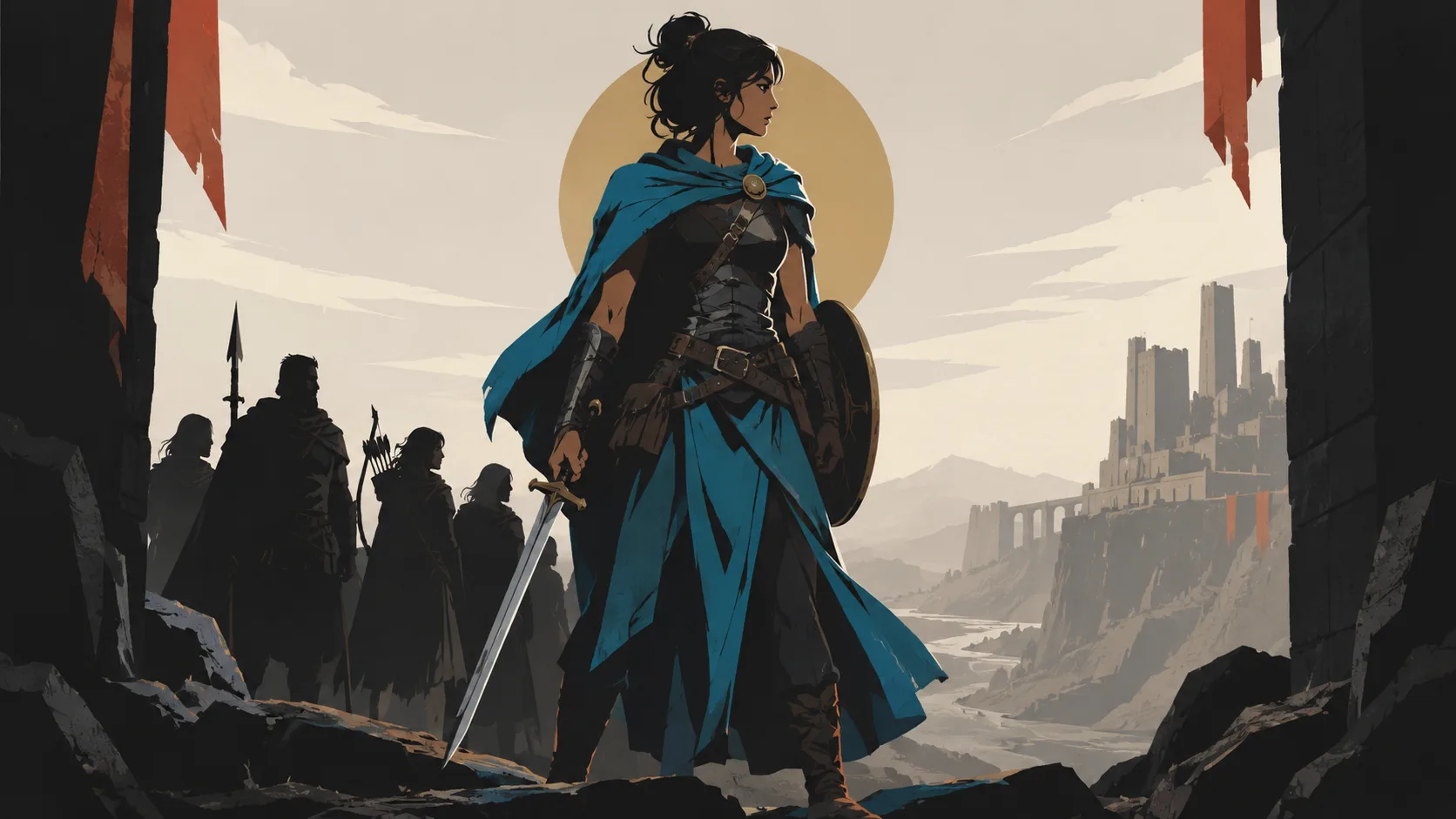
Popularized by Joseph Campbell, the Hero’s Journey follows a protagonist who leaves an ordinary world, crosses a threshold, faces trials, and returns transformed. It maps cleanly onto fantasy and adventure, but it also underpins quieter coming-of-age novels. The pattern is worth knowing even if you never use it wholesale, because it teaches you how transformation is earned scene by scene, especially when you make hero and villain tension crackle.
Other Frameworks Worth Knowing
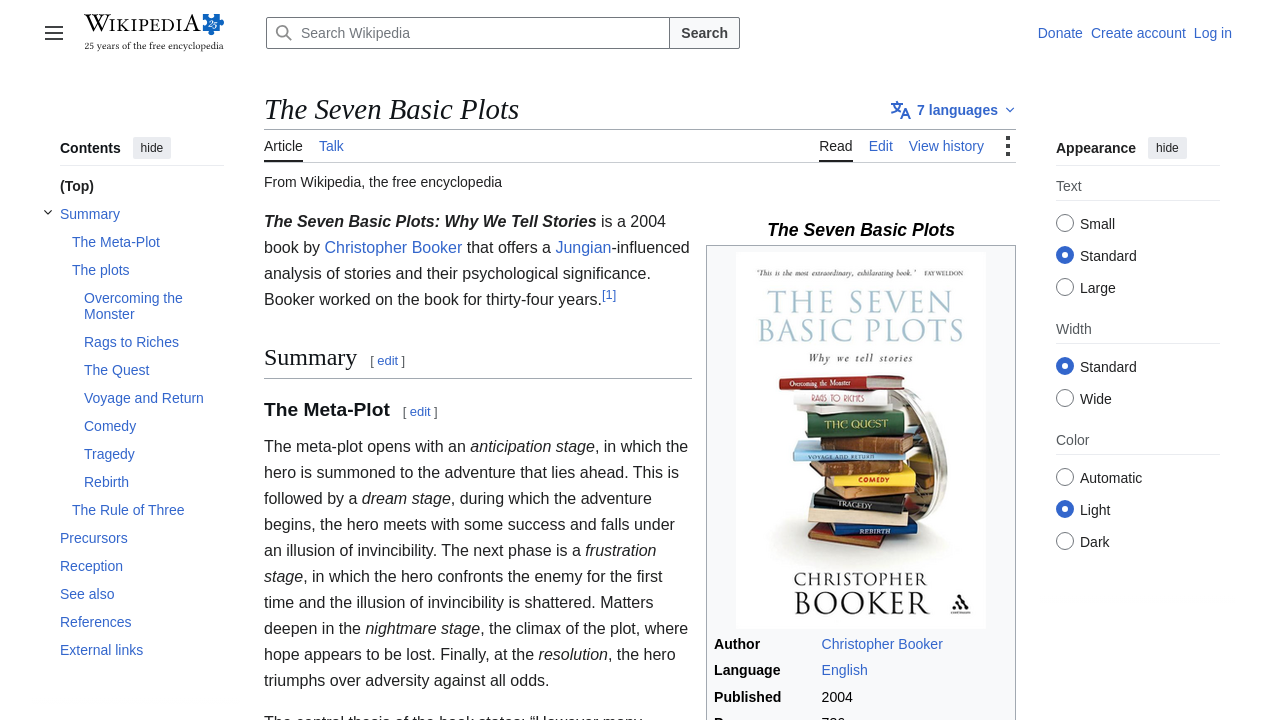
Save the Cat beats, Freytag’s Pyramid, Dan Harmon’s Story Circle, Fichtean plot, and Christopher Booker’s seven basic plots each offer a slightly different lens. Genre matters here: a mystery needs a crime and a solution, a romance needs obstacles followed by union. If you’re curious about the archetypal end of the spectrum, Booker’s seven basic plots is a strong starting point. Takeaway: pick one framework for your first draft and stop shopping.
The Anatomy of a Well-Structured Novel
 Zoom in on any framework and you find the same moving parts. A disruption. A rising line of tension. A peak. A landing. Understanding these parts at the whole-novel level and at the scene level is what separates writers who finish from writers who stall in the middle.
The Inciting Incident and Rising Tension
Every well-structured story begins with a disruption to the protagonist’s equilibrium, often called the inciting incident or catalyst. From there, tension climbs. According to the National Centre for Writing, this principle of climbing tension applies at the level of a short story, a chapter, and even a single scene. Turning points punctuate the climb, giving you peaks and troughs rather than a flat line, and each turn is a good place to check whether your subplot is trying to tell you something.
Climax and Resolution
The climax answers the story’s central dramatic question. Will the detective name the killer? Will the marriage survive the confession? The resolution then delivers some form of reversal or surprise, so readers leave satisfied rather than merely relieved. That final beat matters more than most beginners realize; often it’s the tiny final action that makes your novel memorable rather than the big explosion two chapters earlier.
How Scene-Level Structure Mirrors the WholeA scene is a novel in miniature. It opens with a question, escalates, turns, and closes on a shift. If your middle drags, it’s usually because individual scenes have no internal arc, and readers stop leaning forward. A practical fix is looping techniques that make readers want to read on, planting a hook at the end of every scene. Takeaway: fractal structure. What works at the book level should work at the chapter and scene level too.
How to Choose the Right Structure for Your Novel
 Different writers apply structure at different stages. Some outline every beat before chapter one, others find structure only during revision. As Ian Nettleton notes for the National Centre for Writing, there is no single correct way in, only the approach that suits the writer and the project.
Plotting vs. Discovering as You Write
Stephen King famously writes without a predetermined plot, placing characters in a situation and following them. Brian Aldiss described plotting as telling himself the story as he goes. Both approaches are legitimate. If you lean discovery, be honest about the tradeoff: pantsers face the most ferocious obstacle of all in the messy middle, and structural awareness during revision is not optional for you, it’s survival.
Matching Structure to Genre
Genre choice shapes structural expectations. Plot-driven genre fiction (thriller, mystery, romance) calls for tighter, more prescribed structure than character-driven literary fiction. Readers pick up a cozy mystery expecting a body by chapter three and a solution by the last chapter. Break that promise without a strong reason and you lose them. Even in literary work, structure quietly holds the protagonist’s interior life in focus.
When to Apply Structure in Your Process
Structure is a diagnostic tool as much as a planning tool. It reveals why a draft feels slow or unsatisfying and points toward specific fixes: a missing turning point, a climax that arrives too early, a resolution that skips reversal. Reedsy editors suggest beginners start with a well-understood framework, because breaking rules effectively requires mastering them first. A deeper planning pass before revision can save months. Takeaway: structure early or structure late, but structure eventually.
Common Misconceptions About Story Structure
Most resistance to structure comes from misreading what it actually asks of you. It doesn’t ask for a formula. It asks for a spine.
Misconception: Structure Makes Stories Formulaic / Reality: Readers Crave Pattern
Most beloved novels can be analyzed through standard frameworks, yet they feel wholly original because character voice and specific detail make familiar shapes feel new. A well-drawn character readers can’t stop thinking about will lift a conventional structure into something singular.
Misconception: Structure Kills Creativity / Reality: Constraints Focus Imagination
Tight structure answers reader questions, delivers a satisfying climax, and furthers character development. Constraints give imagination somewhere to push against. A rigid frame often produces stranger, braver scenes than an open field does, especially when it exposes the lie your character tells themselves.
Misconception: You Must Plan Structure Before Writing / Reality: Timing Is Personal
Some writers plan for months. Others draft blind and shape in revision. Both work. What doesn’t work is refusing to think structurally at all. Even a loose, character-led novel needs the promise of a story, and even committed pantsers benefit from writing by the seat of your pants with a light framework in mind. Takeaway: structure is guidance, not a cage.
Getting Started: Applying Structure to Your First Novel
The overwhelm of a first novel usually comes from trying to hold everything in your head at once. Structure lets you set that weight down in pieces.
Map Your Story’s Spine Before You Outline
Begin by identifying three anchors: the inciting incident, the climax, and the resolution. Everything else builds outward from those fixed points. Write a one-paragraph summary that names the disruption, the journey, and the outcome. If you can’t fit the story into that paragraph, you don’t know it yet. A simple story structure template can hold the three anchors while you fill in the rest.
Use Structure as a Revision Compass
During revision, lay your chapter list against your chosen framework. Look for sagging middles, missing turning points, and unearned climaxes. Structure awareness also turns a daunting manuscript into a series of achievable chapter-level goals, which is often the difference between finishing and stalling. The team at ClearARC built its planning approach around exactly this: pick a structure to guide the first draft, then let the story tell you what it actually became. Takeaway: structure is how you finish, not just how you start.
Frequently Asked Questions
What is story writing structure?
Story writing structure is the recognizable order in which a narrative’s events are organized and presented to the reader. It gives a story its shape, controlling pacing, tension, and the timing of key emotional beats across scenes, chapters, and the whole book.
What are the most common types of story structure for novels?
The most common are the three-act structure, the Hero’s Journey, Save the Cat, Freytag’s Pyramid, Dan Harmon’s Story Circle, the Fichtean curve, and Christopher Booker’s seven basic plots. Reedsy identifies at least seven frameworks in active use.
Does every novel need a strict story structure?
Every novel needs structure, but not every novel needs a strict framework. Literary and experimental fiction often use looser shapes, while genre fiction leans on tighter, reader-expected patterns. Structure is guidance, not a cage around your creative choices.
What is the three-act structure in simple terms?
The three-act structure splits a novel into setup, confrontation, and resolution. Act One introduces the world and the inciting incident, Act Two develops conflict and character across the story’s middle, and Act Three delivers the climax and its aftermath.
What is the difference between story structure and plot?
Plot is what happens in the story. Structure is the order and shape in which those events are delivered to the reader. The same plot told chronologically or in flashback produces two structurally different books with different emotional effects.
When should I think about structure: before writing or during revision?
Both are valid. Some writers outline structure before chapter one; others discover it during revision. Stephen King writes without a plot; other novelists plan every beat. What matters is that structure gets addressed at some point in the process.
Can following a story structure make my novel feel formulaic?
Not if character, voice, and specific detail are strong. Most beloved novels fit standard frameworks yet feel entirely original because the writer filled familiar shapes with particular people and vivid scenes. Formula lives in generic execution, not in structure itself.
What story structure is best for a beginner writing their first novel?
The three-act structure is the friendliest starting point. It’s widely understood, easy to diagnose against, and flexible enough to fit most genres. Master it first, then experiment with Hero’s Journey, Save the Cat, or looser frameworks on later projects.
Finishing What You Started
Structure is not a cage and it’s not a shortcut. It’s the map that lets you keep walking when the fog rolls in around chapter fourteen. Pick one framework, name your three anchors, and start drafting. When you get stuck, come back to the shape. That’s the whole discipline, and it’s what ClearARC is built to support: quiet, focused planning that respects the craft and gets the book finished.



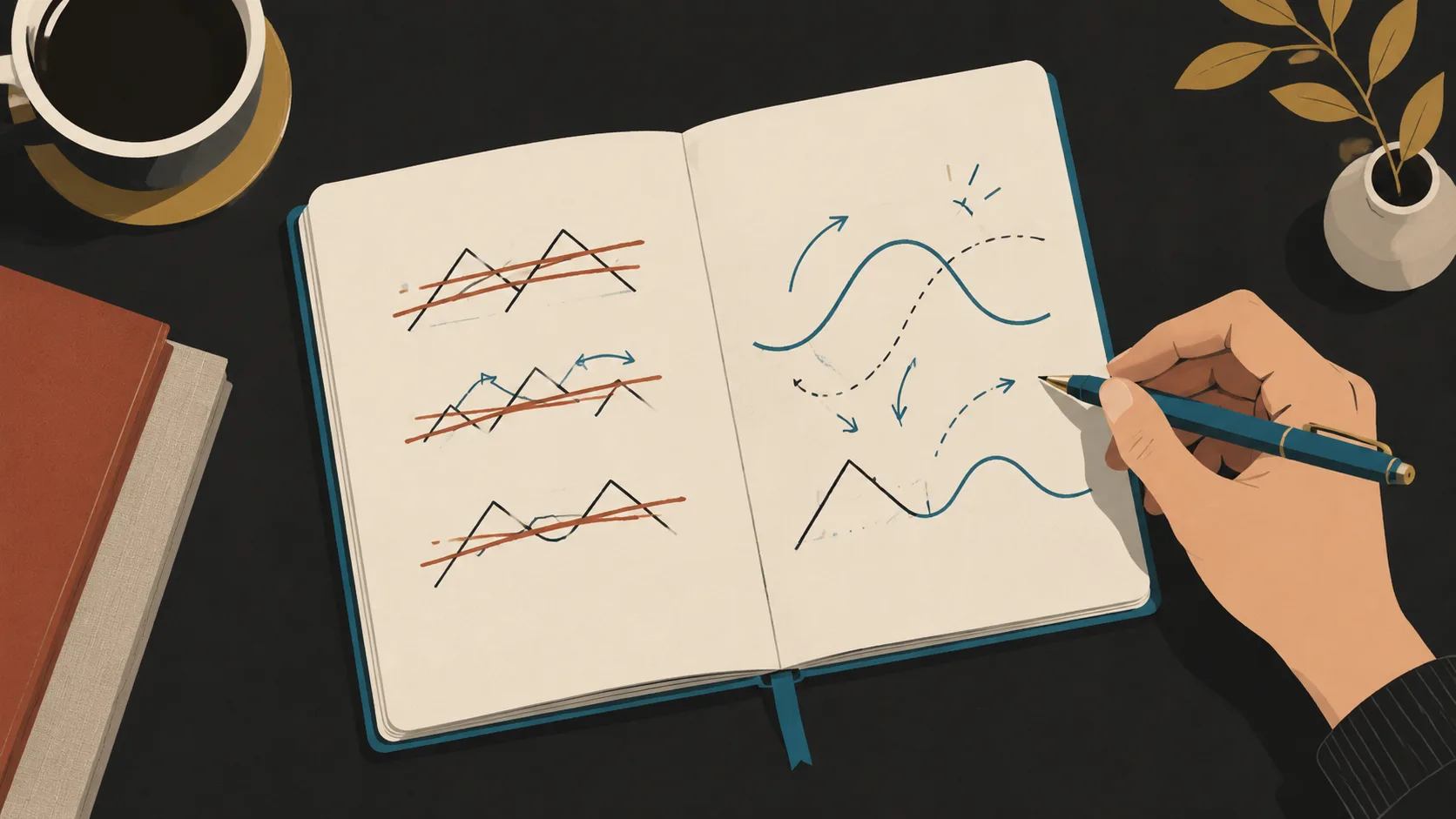

 Each act does a different job. Skip any of them and the reader feels it, even if they cannot name what is missing.
 Within the three acts sit a handful of specific beats that experienced novelists watch for. These are the joints of the skeleton.
 Structure is only useful when it touches the page. Here is a practical sequence for a first novel.

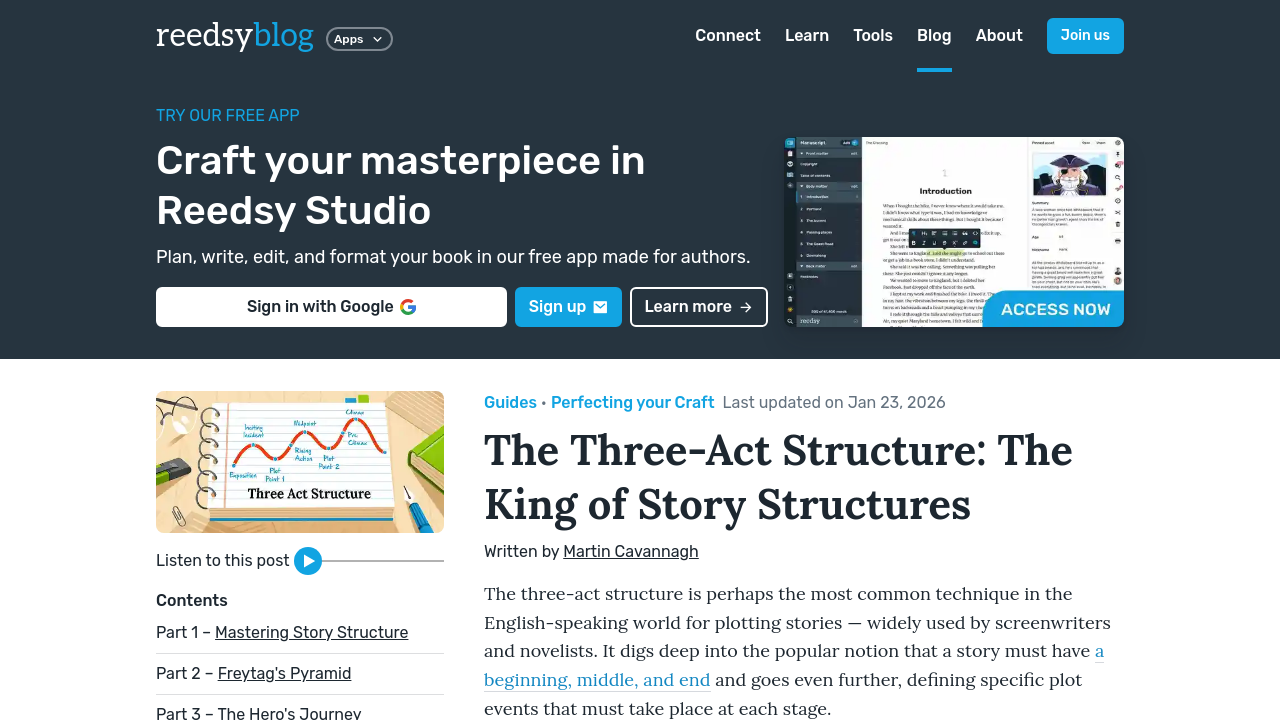









 Narrative structure is the recognizable, organized way a story’s different elements are unified, including the particular ordering of plot events. According to
  Nearly every recognized structure rests on the same underlying elements. Learning them once means you can recognize them everywhere, from a genre thriller to a literary novel, and you can
  Several named structures dominate craft conversations. None is objectively best, but each solves a slightly different problem. If you already know that
 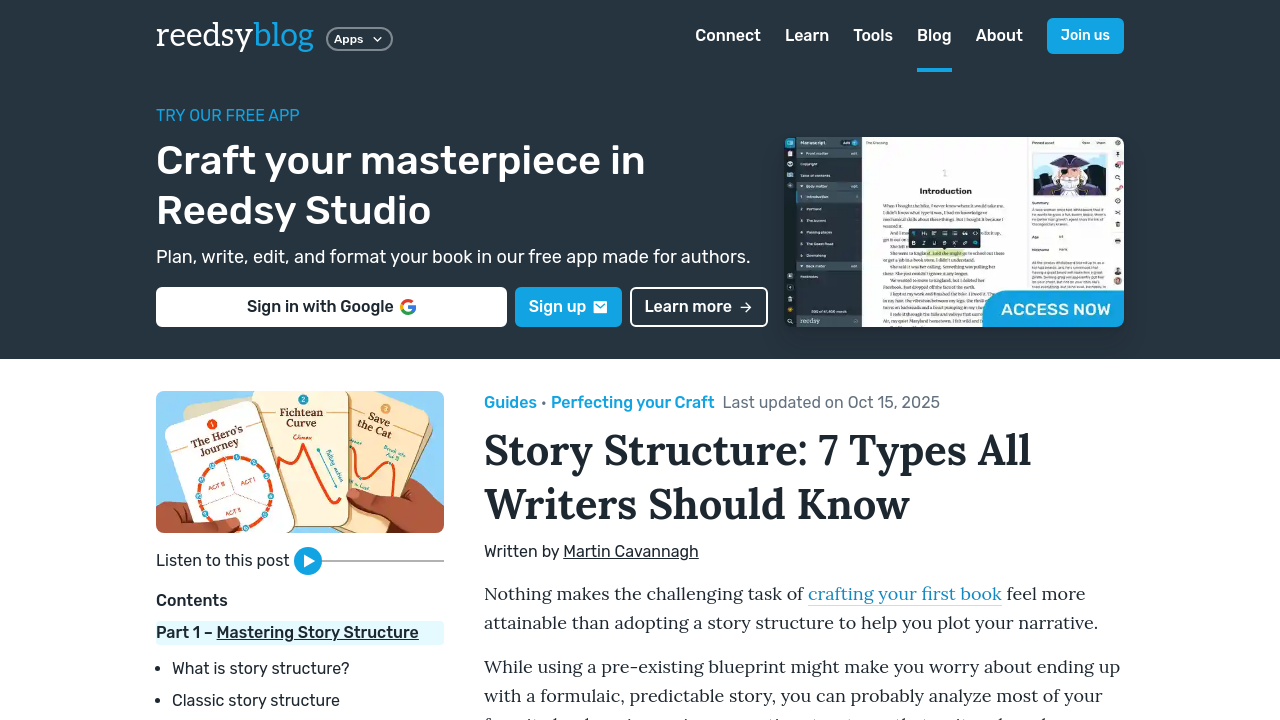 The right structure follows the type of journey your story takes and the obstacles your characters face. According to